- 2 April 2026
- Benita Kaselytė, Vytas Navickas
Vilnius University and ‘Neakivaizdinis Vilnius’ Present the ‘Seven Wonders of Vilnius University’
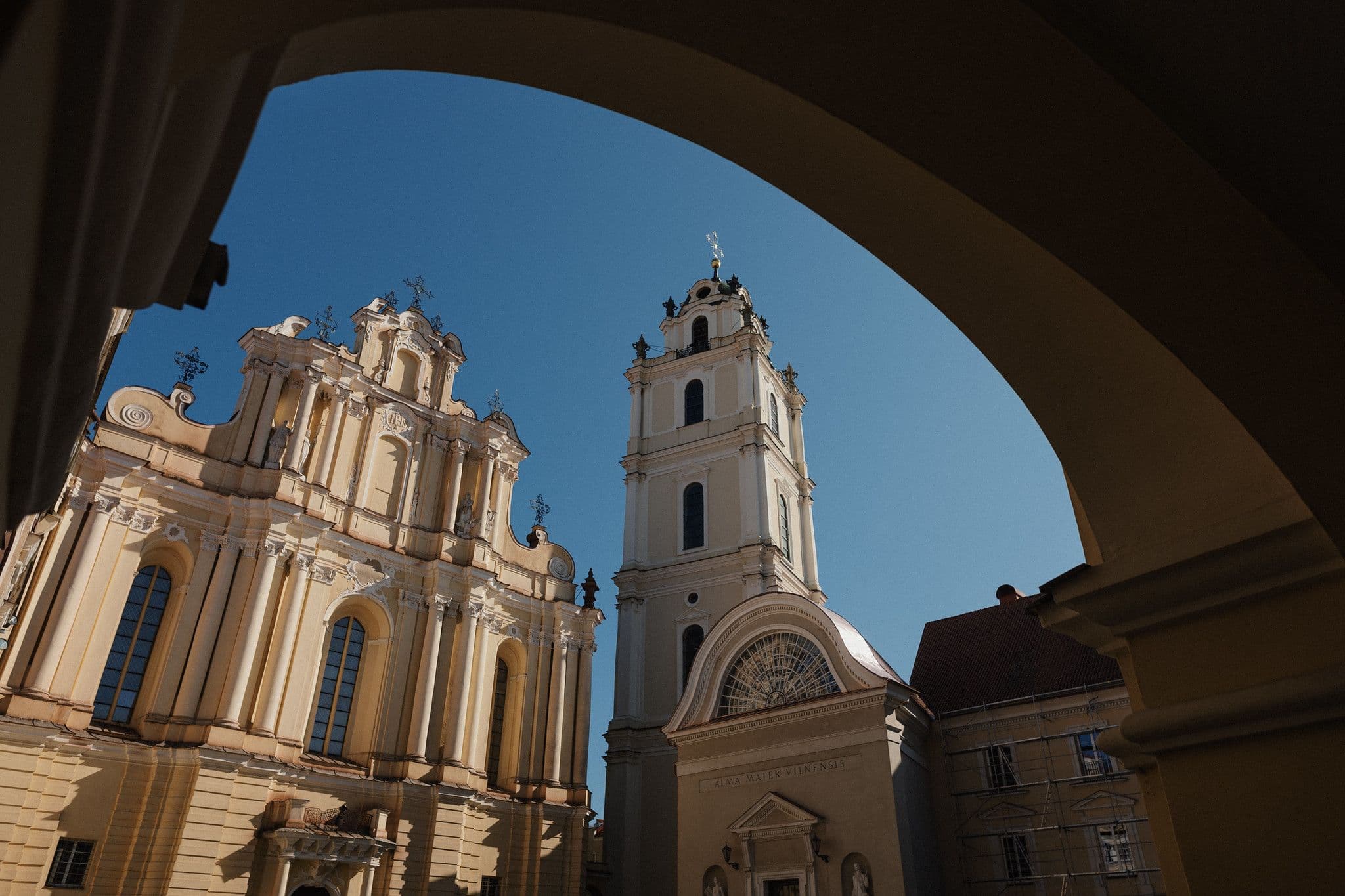
To mark its 447th anniversary, Vilnius University (VU) presents a new self-guided route on the ‘Seven Wonders of Vilnius University’ in partnership with ‘Neakivaizdinis Vilnius’. The route offers an opportunity to explore the historic VU campus, a living space shaped over the centuries by history, culture, and scholarship. The route is based on the idea of the ‘seven wonders’ that originated when historian Prof. Alfredas Bumblauskas from the VU Faculty of History was delivering a course on the history of civilisations.
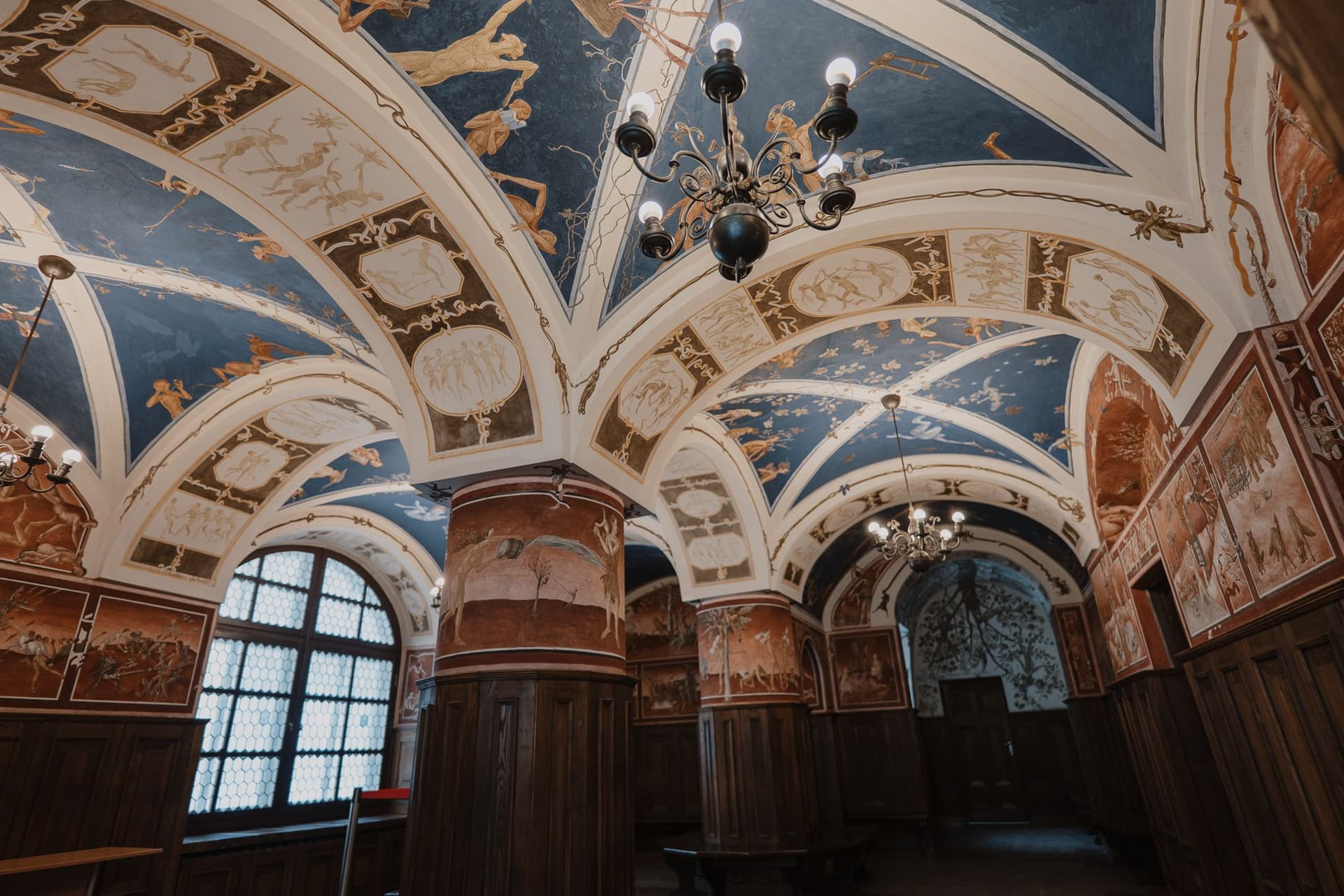
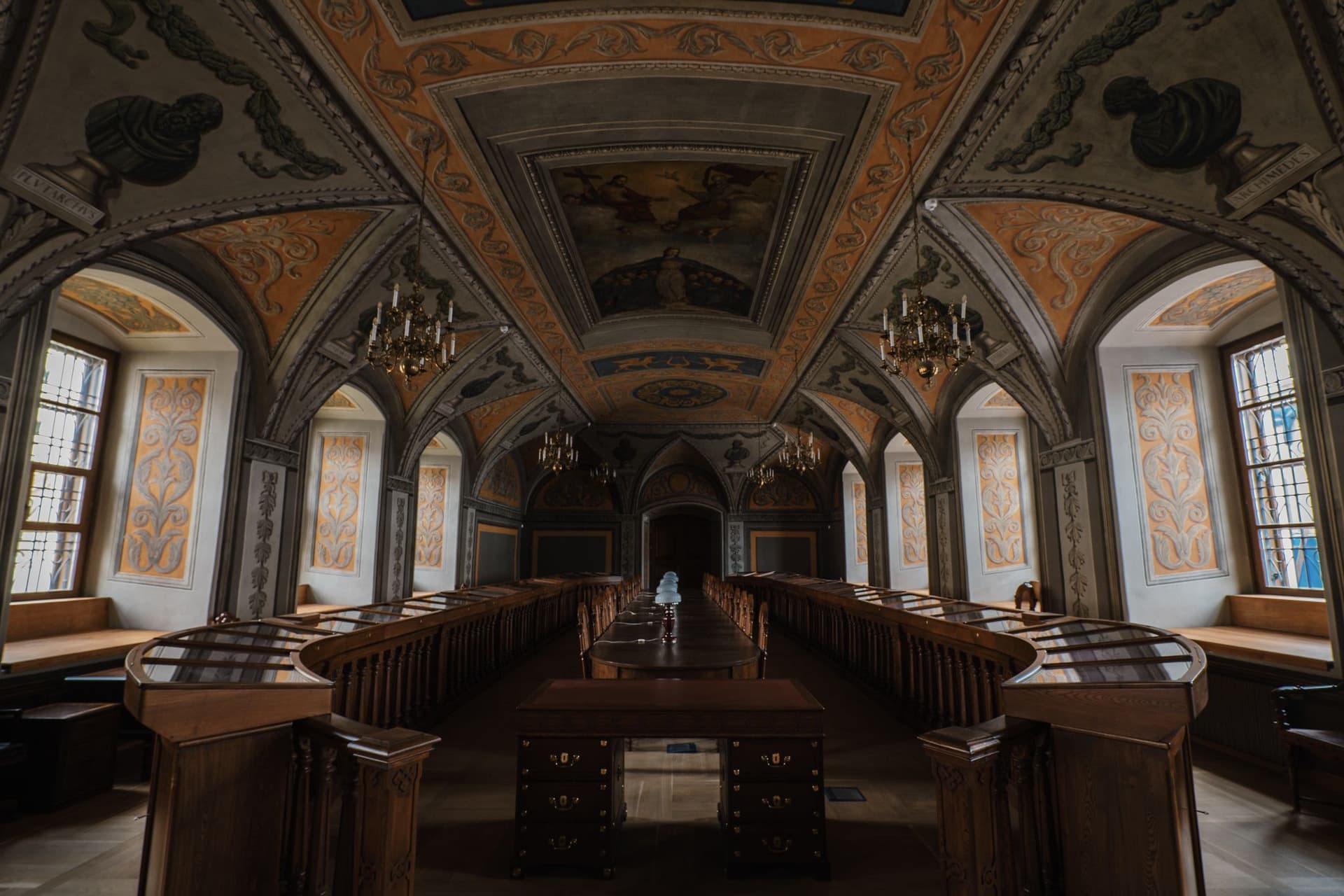
While telling students about the famous wonders of the world, the Professor realised that many of them, despite attending classes every day, had never set foot in the Pranciškus Smuglevičius Hall, the Motiejus Kazimieras Sarbievijus Courtyard, nor had they seen the frescoes by Petras Repšys or other VU masterpieces. He would then jokingly warn them that if they failed to visit these places before the exam – and could not describe them – they might as well not show up to sit it at all. Gradually, this gave rise to the idea of identifying seven VU sites – the seven wonders – that would encourage students to explore VU’s spaces and recognise their cultural and historical value.
‘At the Mini-Europe theme park of miniatures in Brussels, Lithuania – with all its culture, science, and identity – is represented by a scale model of the historic Vilnius University campus. This alone invites us to seek wonders within it. Once we find them, we realise that the central VU campus is the most impressive quarter in Vilnius Old Town, where the genius loci of the city most often reveals itself. Through the towers of St Johns’ Church, designed by the Baroque genius Johann Christoph Glaubitz, one can glimpse the Baroque ‘clouds’ of another genius, Czesław Miłosz. Alongside this striking vision, we discover other wonders,’ said Prof. Bumblauskas, highlighting the cultural and symbolic significance of the historic campus.
The new route includes seven sites within the historic Vilnius University campus, revealing different periods in VU history and its cultural layers. These spaces present VU not only as an academic institution but also as a place where different eras, ideas, and experiences intersect, reflecting broader historical transformations in Vilnius and Lithuania. The route is designed as a self-guided experience, allowing visitors to explore at their own pace and in their preferred way. The ‘Neakivaizdinis Vilnius’ app provides a map and written narratives, enabling users not only to follow the route but also to gain a deeper understanding of each site.
‘VU invites people to study and discover their professional path, while ‘Neakivaizdinis Vilnius’ encourages them to explore the city itself and discover its lesser-known places. Both require the same thing – curiosity and a willingness to explore. This route reminds us that learning does not only happen in the classroom but also in the city, which still has the power to surprise – this time with seven wonders,’ said Sonata Griškienė, the initiator and coordinator of the ‘Neakivaizdinis Vilnius’ project.
The route is available on the ‘Neakivaizdinis Vilnius’ website and mobile app.