- 6 May 2026
- Aušra Kudirkaitė
VU Physicists Lead Innovation in High‑Precision, Safer Radiation Applications for Science and Medicine
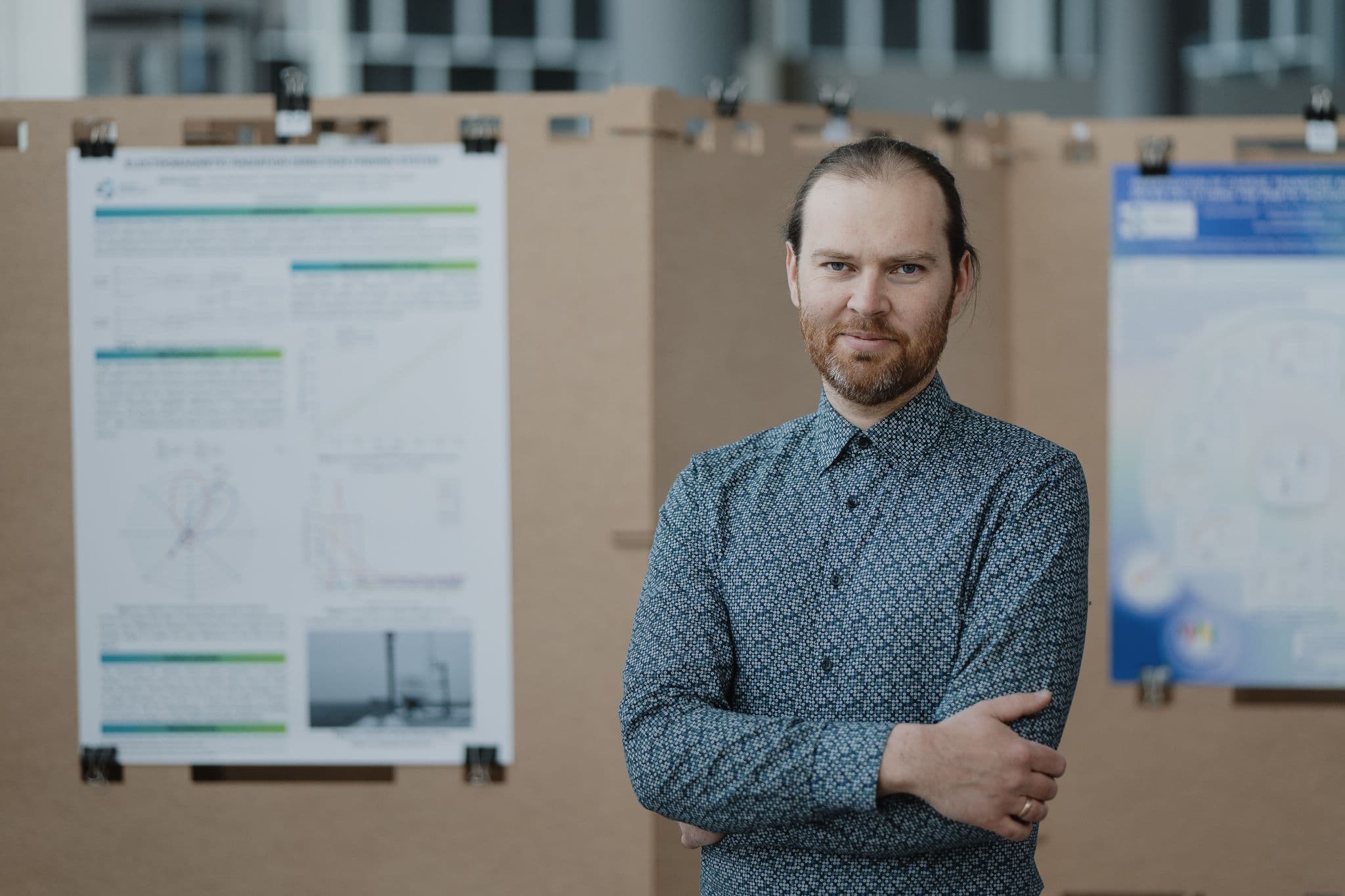
By employing X-ray radiation alongside laser and organic semiconductor technologies, Vilnius University (VU) physicists are developing future materials. The research team aims to create a next-generation dosimetry platform – an advanced technological system capable of measuring, recording and analysing ionising radiation doses at the molecular level. According to researchers from the VU Faculty of Physics, the outcomes of these studies could be highly significant not only for more effective cancer diagnostics and biomedicine, but also for a wide range of other high‑technology sectors.
Predicting radiation effects with greater precision
“Traditional radiation measurement instruments have reached their technological limits. Many legacy detectors lack sufficient sensitivity, fail to allow precise determination of radiation distribution, or are incapable of real-time operation. Furthermore, they are not sufficiently adapted to rapidly evolving smart technologies,” notes Dr Rokas Dobužinskas, a researcher at the Institute of Chemical Physics, VU Faculty of Physics.
According to him, measurement precision and reliability are becoming increasingly important in medicine and the life sciences. The next‑generation dosimetry platform currently being developed by the researchers will be designed specifically for use in biomedicine.
“We aim to develop radiation technology solutions that better meet modern needs – exhibiting greater sensitivity within specified ranges and posing no risk to either patient health or the environment,” he states. With the introduction of this platform, future diagnostics could become faster and even more precise, while the instruments utilised would be mobile, energy-efficient and environmentally friendly.
“The platform will be studied utilising various radiation sources and tested in simulated biological environments, including cancer cell models. We are conducting research directly related to radiotherapy – a cancer treatment method in which tumour cells are targeted with precisely directed radiation while striving to protect healthy tissues as much as possible. We are developing specialised materials designed to efficiently absorb various types of ionising radiation,” notes Dr Dobužinskas.
According to him, accurately anticipating and forecasting the effects of radiation on an individual patient is particularly important. “In clinical practice, particularly when implementing personalised medicine solutions, it is crucial to precisely anticipate and predict the impact of radiation, its consequences and other indications. We aim to explore solutions that enable real-time measurement of the exact radiation dose delivered to the tumour and the specific tissues physicians intend to target during therapy. Such data would facilitate an immediate evaluation of the treatment course and, if necessary, its precise adjustment,” states the VU researcher.
Dr Mantas Grigalavičius, a researcher at the Laser Research Centre (LRC) at the VU Faculty of Physics, notes that the research outcomes will also prove significant in other fields where reliable radiation measurements are required. For instance, in environmental sciences, meteorology, renewable energy and climate change research. “With the rapidly expanding application of artificial intelligence, continuous and precise data are becoming essential for reliable analyses and forecasts. We anticipate that these future sensors will contribute to the development of smarter technological solutions across various fields,” he concludes.
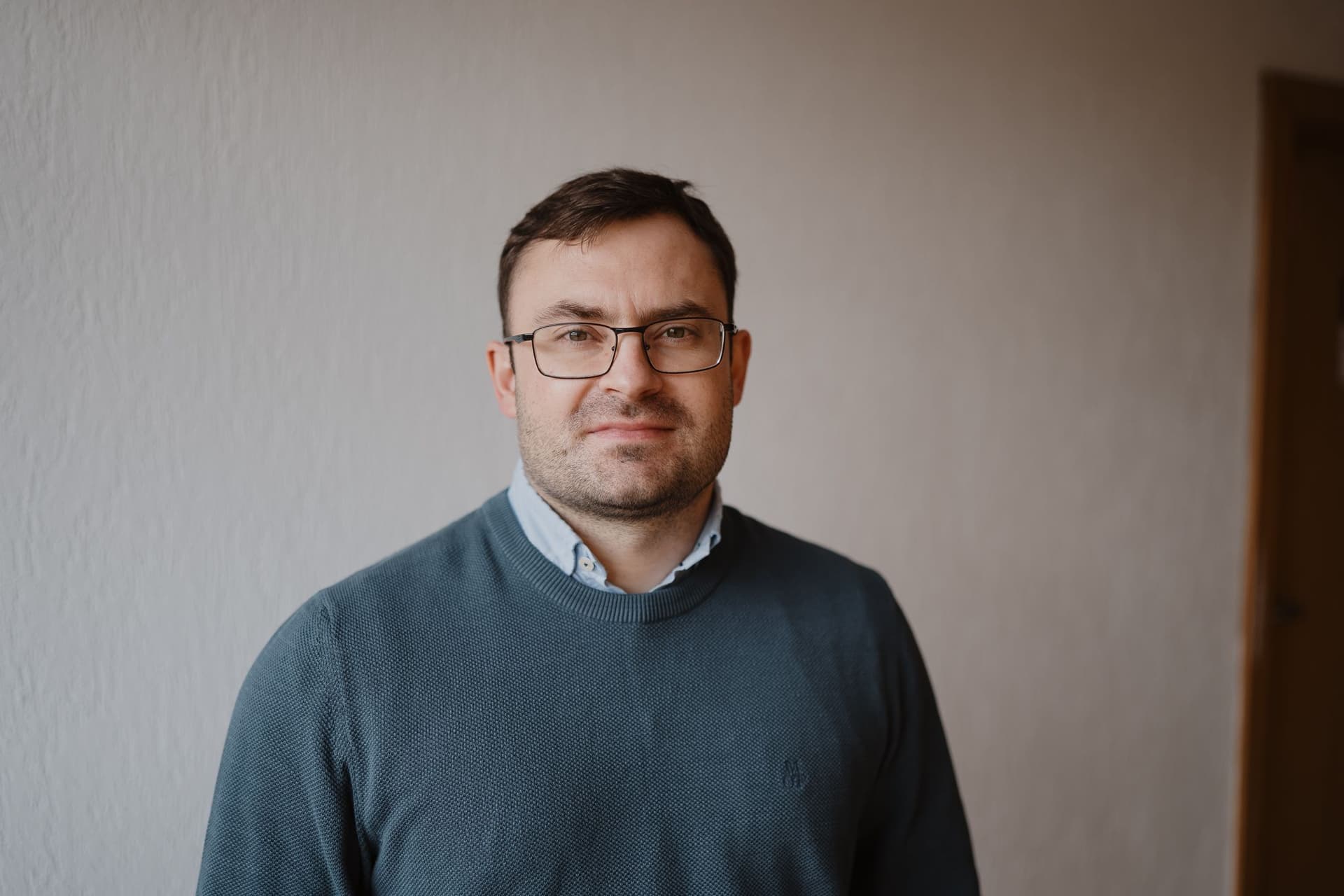
Dr Mantas Grigalavičius. Photo by Vilnius University.
Organic semiconductors tailored for next-generation sensors
Researchers are developing ultrathin, nearly invisible layers of organic material sensitive to ionising radiation. “They can be compared to a smart film. These materials exhibit distinct electrical properties: upon exposure to X-rays, they react instantaneously, generating a weak yet easily detectable electrical signal. The clearer this signal is, the more accurately the radiation dose can be measured and the sharper the image can be produced. It’s comparable to switching from a blurred image to a high‑resolution one, where details become clearer, and noise is reduced. Such materials pave the way for more effective, versatile and eco-friendly medical and biological research devices of the future,” explains Dr Dobužinskas.
Organic semiconductors provide alternative approaches to modern electronics, in contrast to the silicon‑based technologies that currently dominate the industry. “These semiconductors can transmit electrical signals and respond to external stimuli such as light or ionising radiation. In practice, this means that organic semiconductors can be used in sensitive structures, displays, or diagnostic devices where not only precision but also low energy consumption is essential. Their chemical diversity also allows these materials to be tailored to specific needs, enhancing signal emission, stability, or radiation responsiveness. This is important for the technologies of the future,” says the VU physicist.
Instead of rigid crystalline structures, the researchers use carbon‑based organic materials. These can be synthesised through chemical reactions and processed at lower temperatures. “These compounds will be integrated into thin‑film sensors capable of detecting ionising radiation (neutrons, protons, X‑rays) in real time with high sensitivity and spatial resolution. This enables the development of extremely thin, lightweight and even flexible devices suited to next‑generation sensors and medical applications,” he explains.
Radiation dosimetry is an interdisciplinary scientific field
Radiation dosimetry is a scientific field that applies methods for precisely measuring and assessing the dose of ionising radiation absorbed, for example, in human tissues or cells. “It is particularly important in medical diagnostics – in X‑ray imaging, computed tomography, and nuclear medicine – as well as in treatment, especially radiotherapy. Dosimetry helps ensure that procedures deliver a sufficient radiation dose to achieve a high‑quality, diagnostically valuable image or the intended therapeutic effect. It also plays a key role in patient safety by minimising radiation‑induced damage to healthy tissues,” notes Dr Dobužinskas.
This field further provides insight into how varying radiation doses affect biological processes, cells, and their DNA. Highlighting the significance of X-ray radiation in dosimetry research, Dr Dobužinskas notes its widespread application in experimental biological studies aimed at understanding radiation-induced structural and functional changes. This knowledge is crucial for assessing radiation risks, developing radiation safety solutions and investigating radiation effects on living organisms.
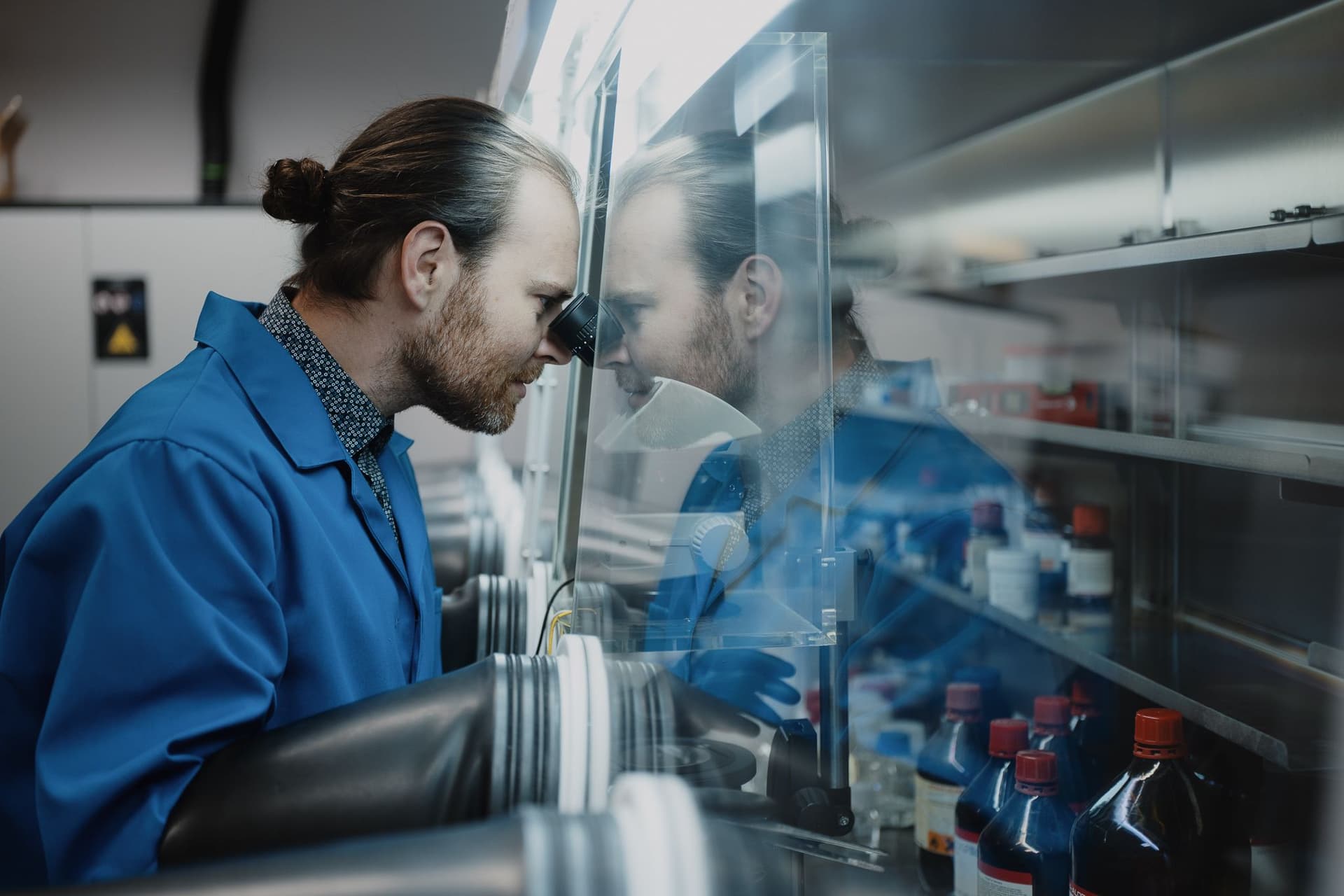
Dr Rokas Dobužinskas. Photo by Vilnius University.
“X-ray radiation is utilised to investigate energy absorption in tissues, assess the dose at micro and macro scales and model biological effects on cells and biomolecules. It is indispensable in the development and calibration of medical instruments, as well as in evaluating patient exposure during diagnostic procedures,” states the VU physicist.
He emphasises that, due to its well-controlled physical properties, X-ray radiation integrates the principles of physics with the practical application requirements of the medical and biological sciences.
“This radiation is classified among the types of lower-energy ionising radiation, yet it interacts strongly with organic molecules in biological tissues. Unlike ionising radiation of nuclear origin, X-rays originate not from the atomic nucleus, but from electron energy transitions within atomic electron shells. Although the energy of these transitions is lower than that occurring during nuclear processes, X-ray radiation is absorbed highly efficiently in many materials, and can therefore induce significant physical, chemical, and biological changes in living tissues,” states Dr Dobužinskas.
He concludes that radiation dosimetry serves as a bridge between physics, medicine, and biology, helping to ensure that radiation is used safely, accurately, and in a scientifically sound manner.
Dr Dobužinskas leads the film fabrication work package of the interdisciplinary project. The project integrates the expertise of VU and Kaunas University of Technology in organic synthesis, instrument engineering, and biomedical research. The project brings together different scientific disciplines under the direction of Dr Grigalavičius, a researcher at the VU LRC.
The research is being conducted during the implementation of project No. S-MIP-25-20, “A Next-Generation Biomedical Platform Enabling Molecular Radiation-Harvesting Centers for Dosimetry Applications” funded by the Lithuanian Research Council.