- 15 April 2026
- Greta Zulonaitė
VU Researcher Develops a Mathematical Model to Reduce Gender Inequality in Education
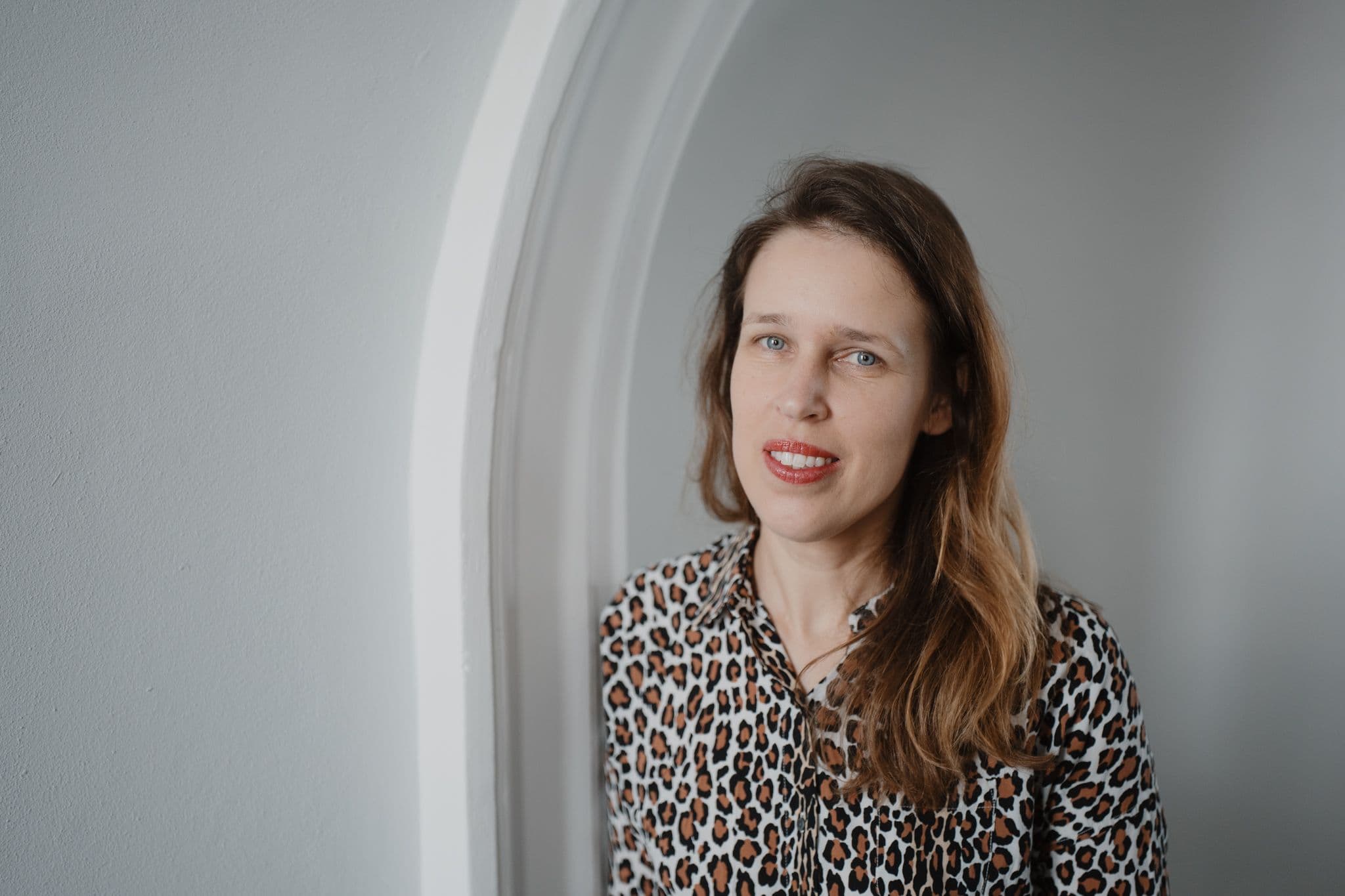
Lithuania has one of the widest gaps in Europe between men and women with higher education. Gender inequality in education – where women often outperform men – is significant, especially when combined with other drivers of inequality such as social class or ethnic background. Statistics show that across Europe, fewer men attain higher education, a smaller share of them participate in lifelong learning, and they are more likely to drop out of the education system. To address this issue, Associate Professor Dovilė Stumbrienė, a researcher at the Faculty of Mathematics and Informatics of Vilnius University (VU), together with colleagues from Spain, has developed a mathematical model that helps countries identify the most effective strategies to reduce the gender gap in education.
A major gender gap in Lithuania’s higher education
Analysing the situation in 93 European regions, the model takes into account four indicators used by the European Commission: higher education attainment, adult participation in learning, early school leaving (individuals with lower secondary education or below who are not involved in learning activities), and the number of young people not in employment, education, or training (NEET).
The researchers found that, on average, women outperform men in three out of the four indicators. The largest gap is observed in higher education attainment: 38.5% of women in Europe have completed higher education, compared to 32% of men.
‘The largest gap is indeed in higher education – the EU average is 6.5%, while in Lithuania it reaches 15.6%. An even greater gap in higher education attainment, driven by exceptionally high results among women compared to men, has been identified in Sweden, Iceland, Estonia, and Latvia,’ said Assoc. Prof. Stumbrienė.
She adds that the smallest gap in this indicator is observed in Germany, Switzerland, and Austria. ‘There is nothing wrong with a large share of women having higher education – what matters is that men catch up, and the gap narrows, bringing us closer to gender equality,’ the researcher noted.
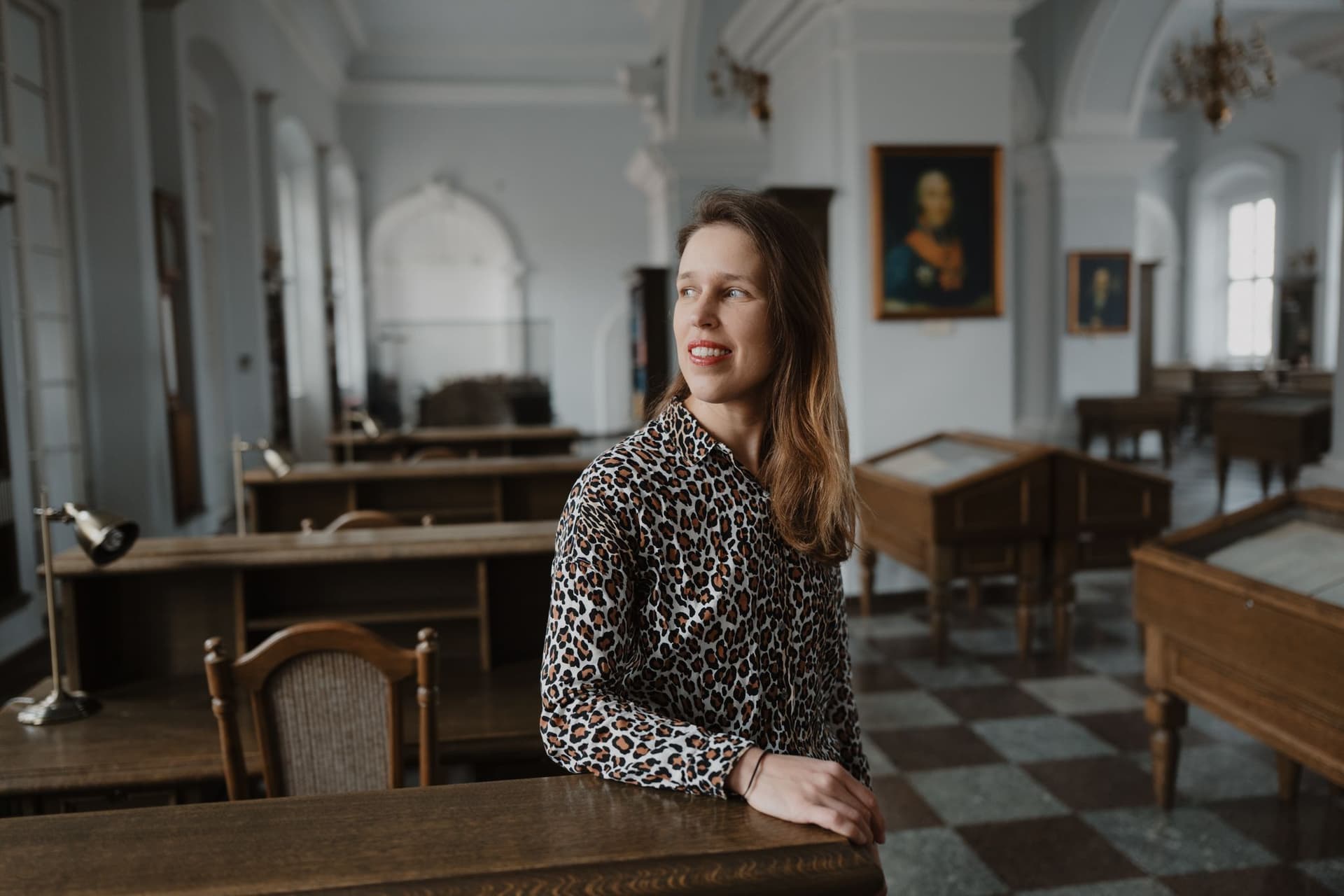
Associate Professor Dovilė Stumbrienė. Photo by Ugnius Bagdonavičius / Vilnius University.
The largest overall gender gap in education is recorded in Iceland, Sweden, Estonia, Latvia, Denmark, Lithuania, and in certain regions of Poland, Finland and Spain, where women’s educational outcomes are among the highest in Europe.
During her postdoctoral fellowship at the VU Faculty of Philosophy, Assoc. Prof. Stumbrienė and her colleagues from Spain developed a comparative analysis model to identify the most suitable strategy for each European region to achieve its targets. This would help regions align more closely with best practices and reduce gender disparities across the selected indicators.
The idea of creating a model to address gender inequality in education emerged from an earlier analytical tool developed two years ago by Assoc. Prof. Stumbrienė and the Spanish team, which was designed to assess inequality within EU education systems. Both the original model and the later one developed specifically to tackle gender inequality in education can be applied across a wide range of fields – from universities and schools to healthcare systems, as well as manufacturing, energy, and businesses.
Pay gaps are linked to occupational choices
Although the data show that in Europe, including Lithuania, women more often than men attain higher education, participate more actively in lifelong learning, and are less likely to drop out of the education system, the question remains why their wages continue to be lower than those of men.
According to 2026 data from the State Social Insurance Fund ‘Sodra’, the income gap between men and women stood at 8.5%. On average, men earned €108 more: their average remuneration reached €1,530, compared to €1,422 for women. However, ‘Sodra’ notes that over the past ten years, the pay gap has decreased by almost 10%.
Associate Professor Lina Šumskaitė from the Department of Social Policy at the VU Faculty of Philosophy says that the remuneration gap is closely linked to the professions chosen by men and women. According to her, in sectors where salaries are the highest, such as law, information technology, and engineering, women are usually underrepresented.
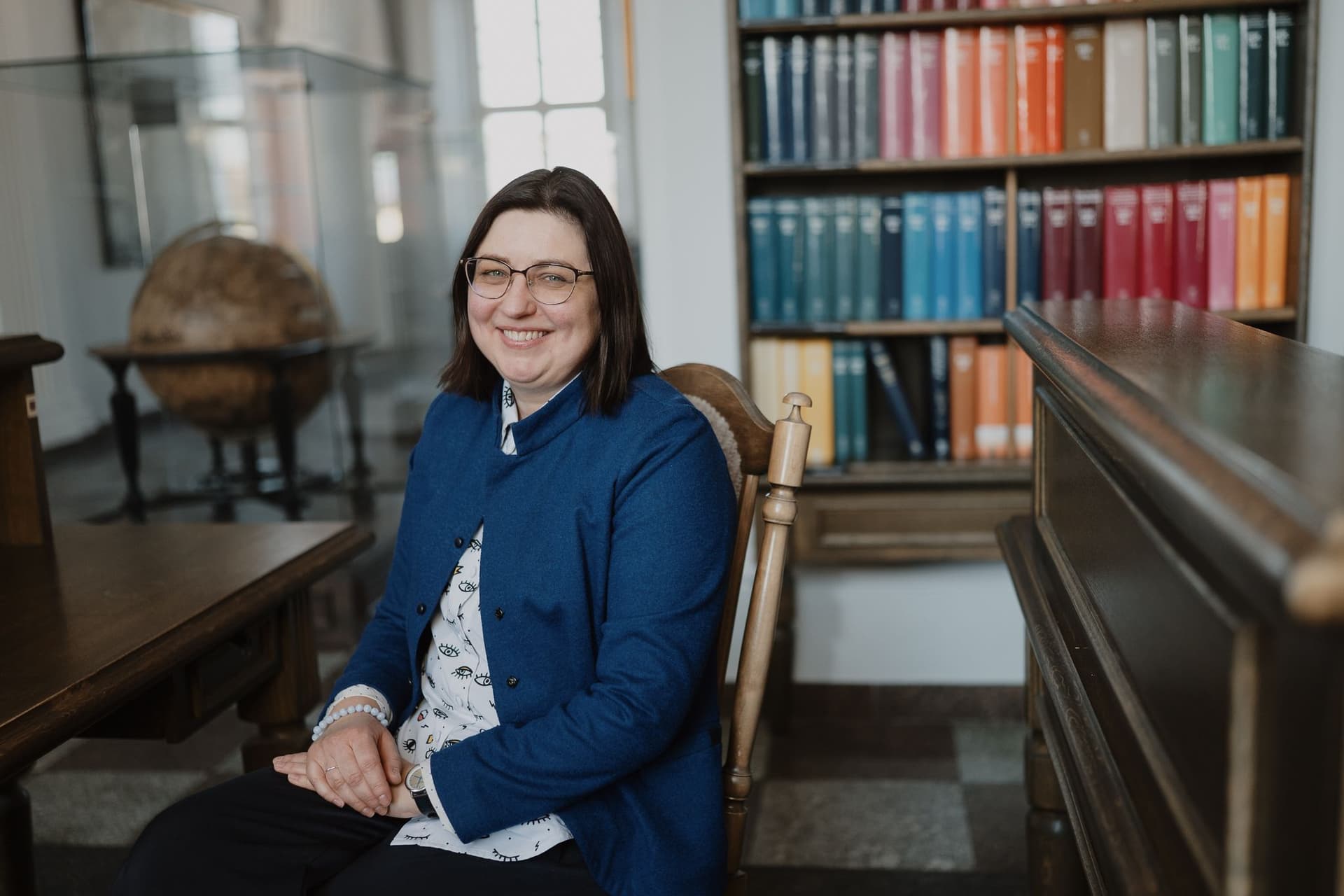
Associate Professor Lina Šumskaitė. Photo by Ugnius Bagdonavičius / Vilnius University.
‘When we talk about career choices, we need to look back at schools. Our colleagues in education sciences analysed mathematics textbooks and the examples of men and women presented in them. They found that in economic tasks, women were shown handling smaller amounts of money. The researchers also examined how mothers and fathers are portrayed in textbooks: mothers are depicted only shopping for groceries and preparing food, while fathers are shown enjoying leisure time with their children,’ Assoc. Prof. Šumskaitė explained.
The researcher adds that the Office of the Equal Opportunities Ombudsperson has analysed science, ethics, and other textbooks as well: ‘In those textbooks, there was no prototype of a male teacher. If teachers appear in the tasks, they are always female. How can a boy choose the teaching profession if he never sees such an example?’
Breaking stereotypes starts at school
Assoc. Prof. Šumskaitė notes that although the wage gap between women and men is narrowing, the burden of unpaid work remains a problematic issue: household tasks are still divided unevenly, and the majority of care for children and older people continues to fall on women.
‘This makes it more difficult for women to take up leadership positions. Women who have children withdraw from the labour market for extended periods and stay at home longer. Although companies make efforts to ensure they return to the same workplace, they often come back to lower positions or return to the same role but cannot compete with colleagues who continued working during their maternity leave,’ she said.
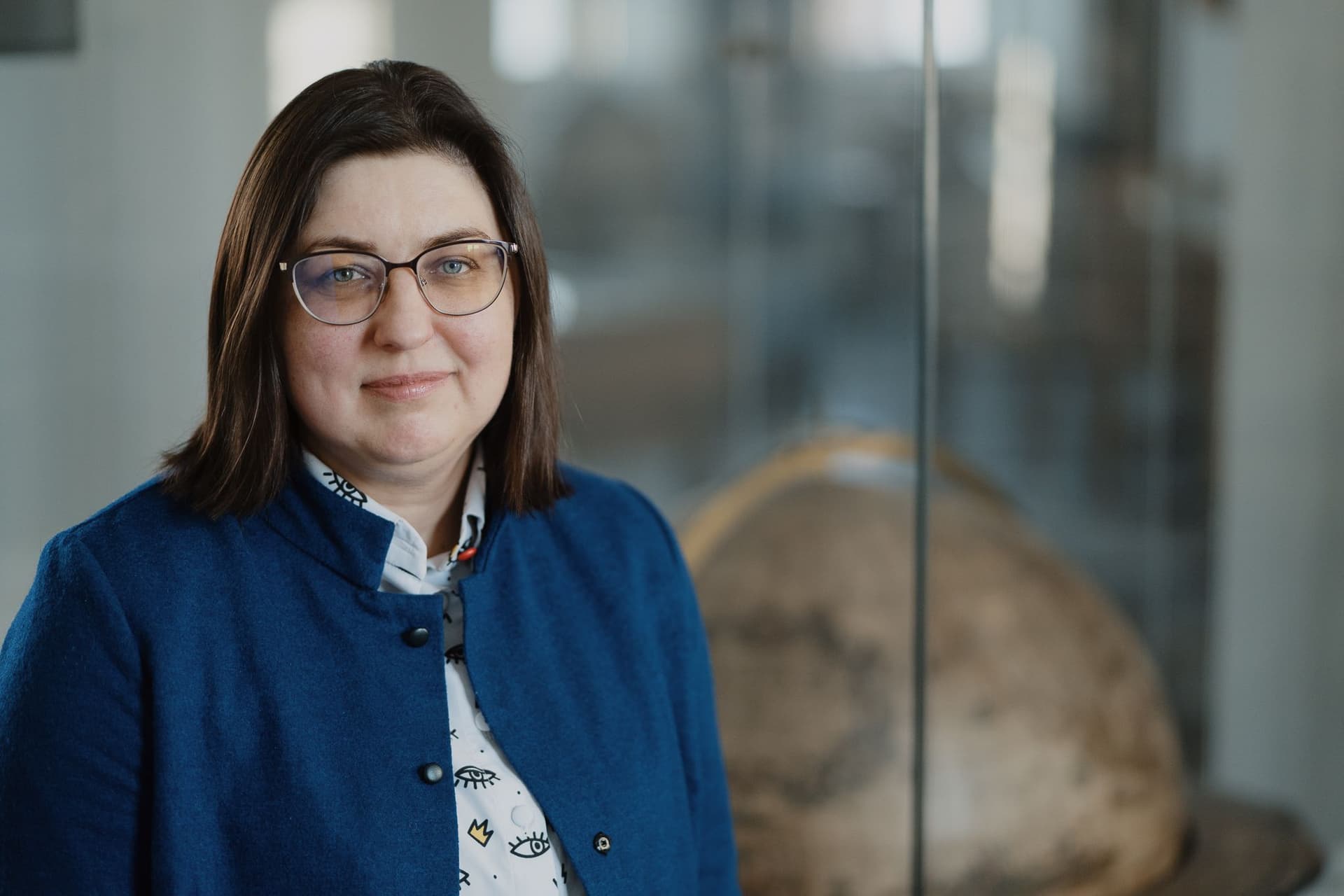
Associate Professor Lina Šumskaitė. Photo by Ugnius Bagdonavičius / Vilnius University.
Although most men in Lithuania opt for the one‑month paternity leave, only about half choose the longer two‑month option.
‘Generally, we encourage adult men to take care of their children, but in schools, we instil a stereotypical worldview, and later we try to break it. It is much harder to challenge stereotypes in adults. By the time we see the results, inequality has already formed,’ Assoc. Prof. Šumskaitė concluded.
This article is part of the VU campaign ‘More Than You Can Imagine’. More stories about members of the VU community, their research, scientific discoveries, and meaningful initiatives can be found here.