- 7 May 2026
- Linas Černiauskas, Dovilė Karčiauskaitė, Faculty of Medicine Vilnius University
Why Doesn’t ‘Good’ Cholesterol Protect Against Cardiovascular Disease?
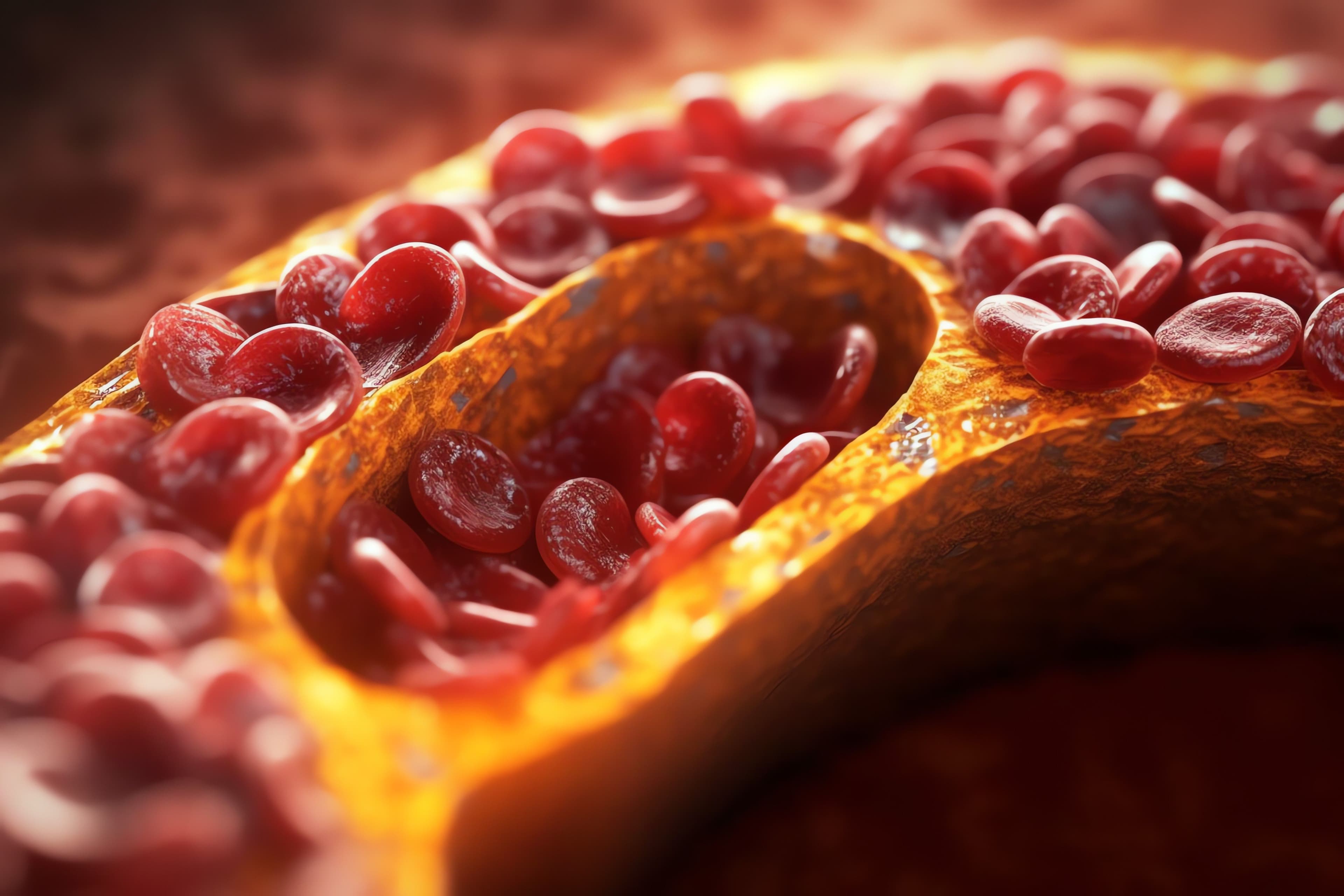
Every year, more than 20,000 people in Lithuania are diagnosed with cardiovascular disease, and in 2024 alone, these conditions claimed approximately 19,000 lives. Lithuania remains among the European countries with the highest rates of cardiovascular mortality.
Given the extent of the issue, there is an ongoing search for simple and effective preventive measures to protect the population. One of the most commonly cited ideas is the myth of ‘good’ cholesterol – the belief that higher levels automatically translate into lower cardiovascular risk. Such an assumption, however, is overly simplistic. Medical research shows that the relationship between cholesterol and cardiovascular disease, as well as the overall risk profile, is far more complex than the level of ‘good’ cholesterol alone.
The scale of the problem
Cardiovascular disease continues to be the leading cause of death in Lithuania – in 2024, it accounted for 50.8% of all deaths, substantially exceeding the European average of 42.5%. For years, Lithuania has ranked among the countries most heavily affected by cardiovascular mortality. Paradoxically, this persists despite rapid advances in medical science and healthcare infrastructure, as well as improvements in diagnostics, prevention, and treatment.
Most people are aware of the major risk factors: smoking, poor diet, physical inactivity, excess body weight, heavy alcohol consumption, high blood pressure, elevated blood cholesterol, and chronic stress. Yet simply knowing these risk factors often does not explain how they contribute to disease, how they interact, or which lifestyle changes are most effective in reducing risk.
For many, it is therefore easier to rely on the comforting illusion that ‘good’ cholesterol acts as an invisible guardian, protecting the heart and blood vessels.
The origins of the ‘good’ cholesterol idea
The concept of ‘good’ cholesterol emerged in the second half of the 20th century, when the first extensive cardiovascular studies identified an unexpected association: individuals with higher levels of high-density lipoprotein cholesterol (HDL-C) were less likely to develop cardiovascular disease. From this observation, a straightforward conclusion was drawn: if higher HDL-C levels correlate with lower cardiovascular risk, then HDL, or the cholesterol it carries, must play a protective role. Thus, the notion of ‘good’ cholesterol was born, eventually becoming widely accepted and rarely questioned.
This idea was further reinforced by the results obtained from studies on the mechanisms underlying the development of cardiovascular diseases. Cholesterol accumulation within the walls of blood vessels gradually narrows them, causes atherosclerosis, and can lead to dangerous complications such as a heart attack or stroke. HDL particles, in contrast, are capable of binding excess cholesterol from vessel walls and transporting it to the liver for elimination. This is how the well‑known metaphor emerged, portraying HDL as the ‘cleaners’ of our blood vessels and the cholesterol they carry as the ‘good’ kind, since it supposedly helps eliminate excess cholesterol. The idea appealed not only to scientists and physicians but also to the media and the public, as it offered an easy‑to‑grasp explanation of complex biological processes.
Drug trials challenged the protective role of ‘good’ cholesterol
The first serious doubts about the idea of ‘good’ cholesterol emerged when drugs capable of significantly increasing its concentration in the blood were developed. The rationale seemed straightforward: if people with naturally high levels of ‘good’ cholesterol have lower cardiovascular risk, then artificially increasing this marker should reduce the incidence of these conditions.
However, large-scale studies revealed that drugs that effectively raised ‘good’ cholesterol levels did not provide a protective effect. Medications such as niacin, fibrates, and cholesteryl ester transfer protein (CETP) inhibitors significantly increased the levels of ‘good’ cholesterol, yet their use did not lead to a meaningful reduction in strokes, heart attacks, or cardiovascular mortality. Some clinical trials were even terminated early due to an increased incidence of these events.
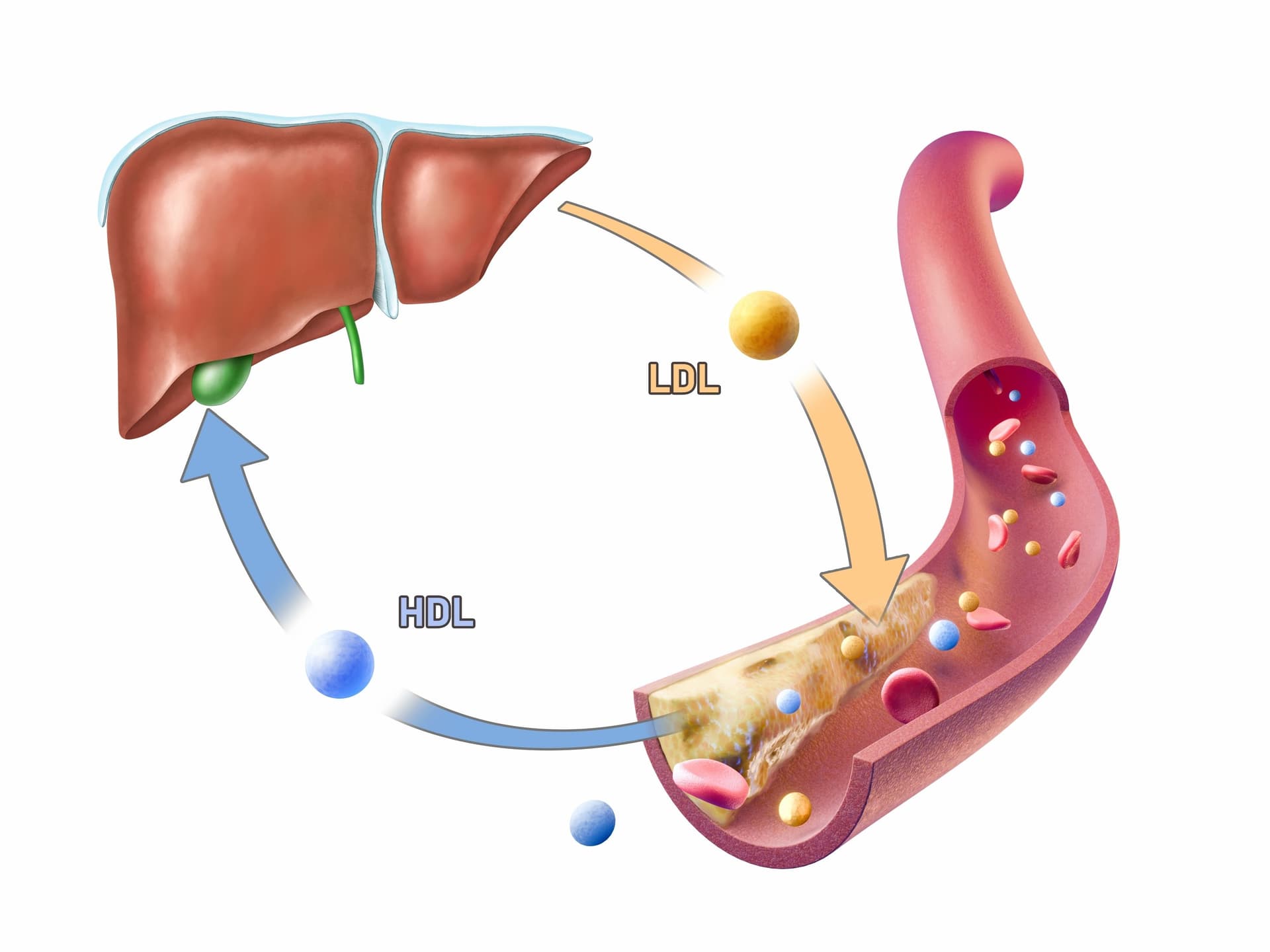
High-density lipoproteins (HDL) remove excess cholesterol from artery walls, while low-density lipoproteins (LDL) promote its accumulation. Freepik photo
At the same time, genetic research provided further insights into the concept of ‘good’ cholesterol. Scientists began studying groups of individuals who naturally had high levels of this form of cholesterol due to genetic factors. If ‘good’ cholesterol truly had a protective effect, these individuals would be expected to have markedly lower cardiovascular risk. However, the findings suggested otherwise: even elevated levels of ‘good’ cholesterol, as determined by genetics, were not associated with lower disease incidence.
As researchers continued to investigate these paradoxical results, a new idea emerged. It became clear that HDL cholesterol is merely a laboratory measurement that does not reveal whether these particles actually perform their primary function – removing cholesterol from the walls of blood vessels. In other words, the level of ‘good’ cholesterol does not reflect HDL functionality. Scientists realised that, for a long time, their attention had been directed at the wrong target, and the actual mechanism of HDL particle function had been largely overlooked. This insight marked a turning point that ultimately challenged the very concept of ‘good’ cholesterol.
What does the ‘good’ cholesterol level actually tell us?
For many years, the role of HDL was assessed based on a single measurement, known as ‘good’ cholesterol level. Over time, however, it became evident that this value reflects only the cholesterol content within HDL particles and does not reveal how many HDL particles are present in the blood, nor how well they function.
Modern research increasingly emphasises the importance of HDL particle concentration.
Even if three individuals have identical levels of ‘good’ cholesterol, their cardiovascular risk profiles may differ substantially. In one case, a person may have a small number of large HDL particles that contain substantial amounts of cholesterol yet function poorly. In another case, there may be many small HDL particles carrying less cholesterol but exhibiting better functionality. A third scenario may represent an intermediate pattern – particles of medium size and moderate efficiency.
For this reason, the ‘good’ cholesterol value alone does not provide an accurate assessment of cardiovascular risk. Although measuring HDL particle number would offer additional insight, such testing is currently complex and costly, and thus not widely used in clinical practice.
Even more significant than the quantity of HDL particles, however, is understanding how they actually work, i.e. assessing their functional capacity. One of the key ways to do this is to measure cholesterol efflux capacity – a parameter that reflects how effectively HDL particles remove excess cholesterol from tissues and vessel walls and transport it to the liver for elimination. This process is closely associated with cardiovascular protection: the more efficient the efflux, the lower the predicted risk.
However, HDL particles do not always function optimally. Research shows that chronic inflammation, diabetes, or metabolic syndrome can render HDL dysfunctional – causing it to lose protective properties and even contribute to disease development. This further highlights that both the number of these particles and their quality – how well they function – are important.
Searching for a simpler way to assess HDL function
Once it became clear that measuring ‘good’ cholesterol alone was insufficient, attention turned to evaluating HDL function. Cholesterol efflux capacity remains one of the key functional markers; in theory, the higher the capacity, the better HDL protects against cardiovascular disease. However, assessing cholesterol efflux capacity is complex, expensive, and requires highly specialised laboratories, making it impractical for routine clinical use.
For this reason, scientists are actively exploring simpler and more accessible surrogate markers that could reflect HDL particle efficiency. One of the most promising candidates is apolipoprotein A1, the main protein component of HDL particles, essential for their function.
If apolipoprotein A1 levels were closely associated with cholesterol efflux capacity, it could serve as a convenient, clinically applicable marker.
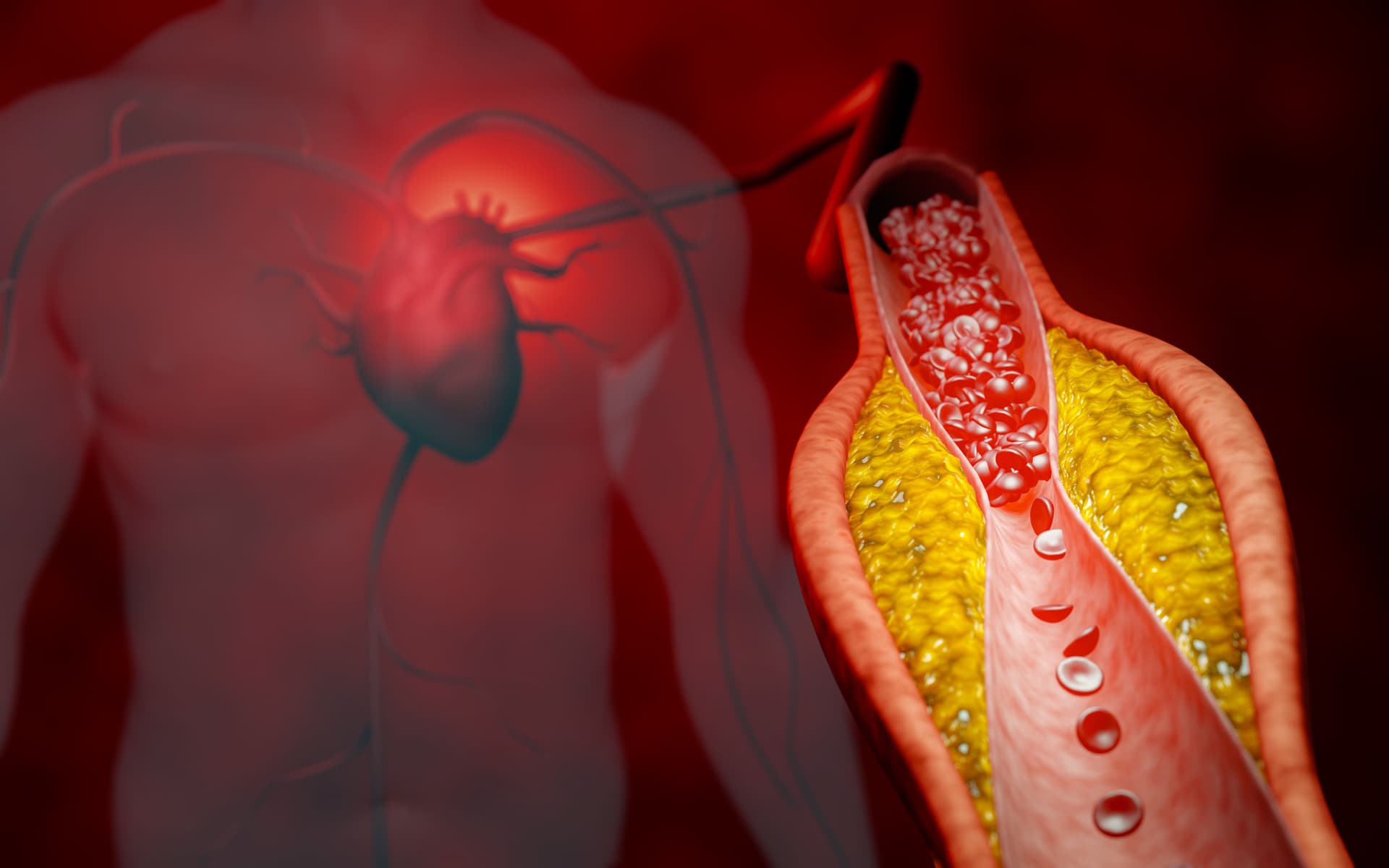
Our research team addressed this question by conducting a comprehensive review of the scientific literature to identify studies evaluating the relationship between these two parameters. We identified 19 studies meeting our criteria, involving a total of 4,967 participants. This insight allowed us to assess, on a relatively large scale, the association between apolipoprotein A1 and cholesterol efflux capacity.
The results showed that a relationship does exist, but it is only of moderate strength. In basic terms, apolipoprotein A1 levels are not a reliable indicator of HDL particle function. Moreover, while apolipoprotein A1 measurement is standardised and reliable in laboratory settings, methodologies for assessing cholesterol efflux capacity vary considerably, limiting broader clinical application.
The ‘invisible guardian’ will not protect us
The key message everyone should remember is clear: the so-called ‘good’ cholesterol, or HDL cholesterol, does not reveal how these particles actually function. Even high levels do not guarantee protection against cardiovascular disease.
Abandoning the myth of ‘good’ cholesterol allows us to focus on prevention strategies grounded in science and evidence. The foundation remains unchanged: healthy lifestyle choices, adherence to prescribed medications, and the understanding that responsibility for our health does not lie with an ‘invisible guardian’ but with ourselves.