- 10 March 2026
- Vilniaus miesto savivaldybės informacija, Žiedūnė Kiznytė
A VU Startup Develops a Solution for Protecting Vilnius’ Historic Urban Heritage
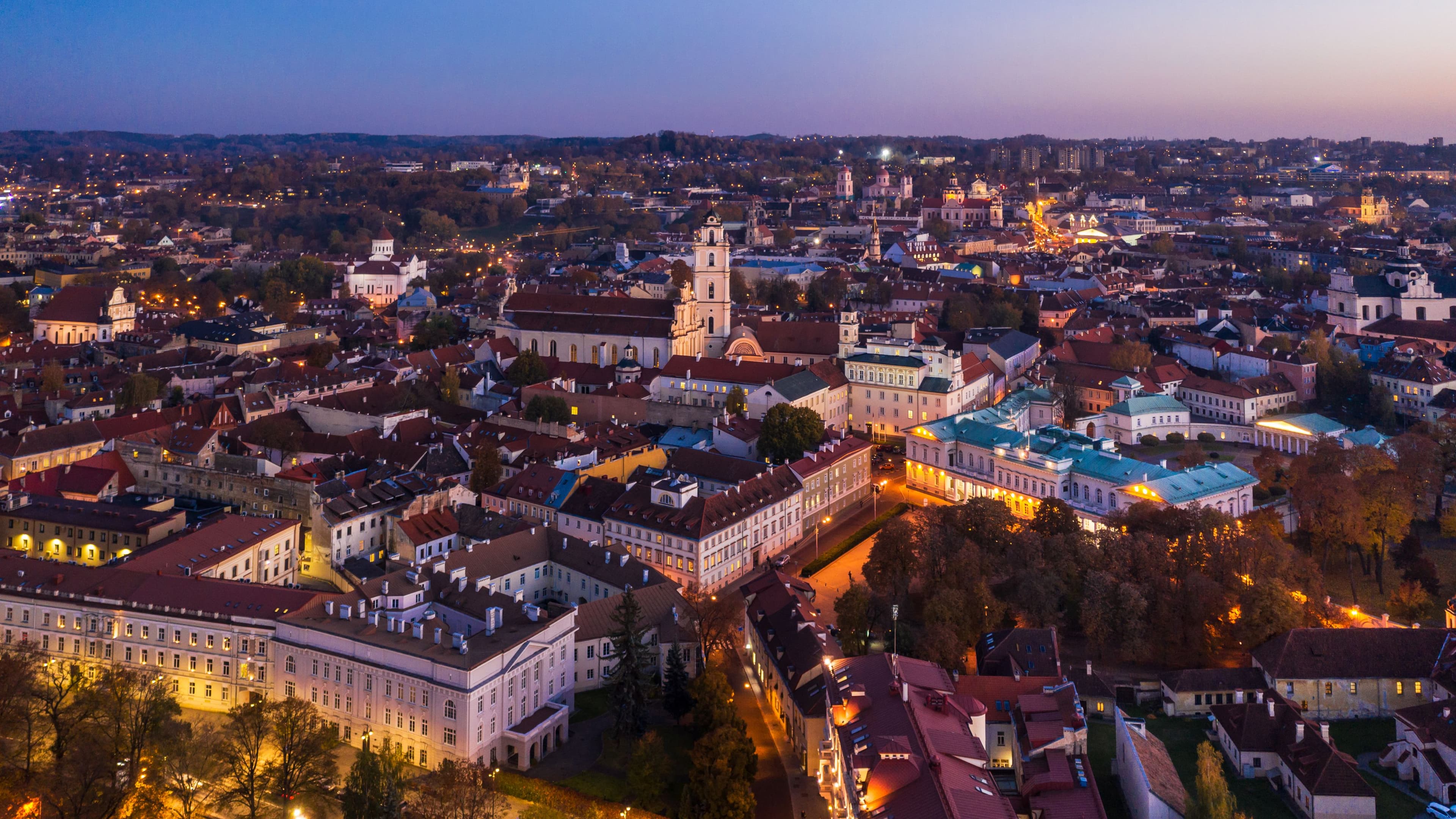
A Vilnius University (VU) startup, ‘Digital Heritage’ MB, has developed an AI-powered model for monitoring changes in the valuable features of cultural heritage sites. The model was recently piloted by the Vilnius City Municipality. The 3D data collected from part of Vilnius Old Town enables efficient monitoring of changes in heritage structures. When necessary, this data may also be used for restoration projects, damage assessments, and even the reconstruction of architectural elements and building façades that have been damaged or entirely lost.
‘This digital model allows us to clearly and quickly track any work carried out – from roof modifications to the installation of temporary structures. The new system will also enable heritage specialists to determine the location, nature, and timing of such works more quickly and precisely. This means it will be much easier to detect unauthorised interventions in cultural heritage areas and identify damage to significant features – even in parts of buildings that are not visible to the naked eye. We hope that such efficient, objective, and measurement-based monitoring will also serve as a preventive tool, helping to avoid damage to heritage values,’ emphasised Donata Kabelkė, Head of the Cultural Heritage Protection Unit at the Vilnius City Municipality.
Using 3D technologies and drones, more than 15 hectares of the Old Town have already been digitised. With the help of AI, over 10,000 valuable architectural elements have been identified, including windows, chimneys, skylights, doors, balconies, pilasters, and other features. AI enables specialists to pinpoint new elements and detect deteriorated ones, as well as to measure relative changes in volume and surface area. The results are provided to experts in 2D, 3D, and 360-degree visual formats, accompanied by analytical reports.
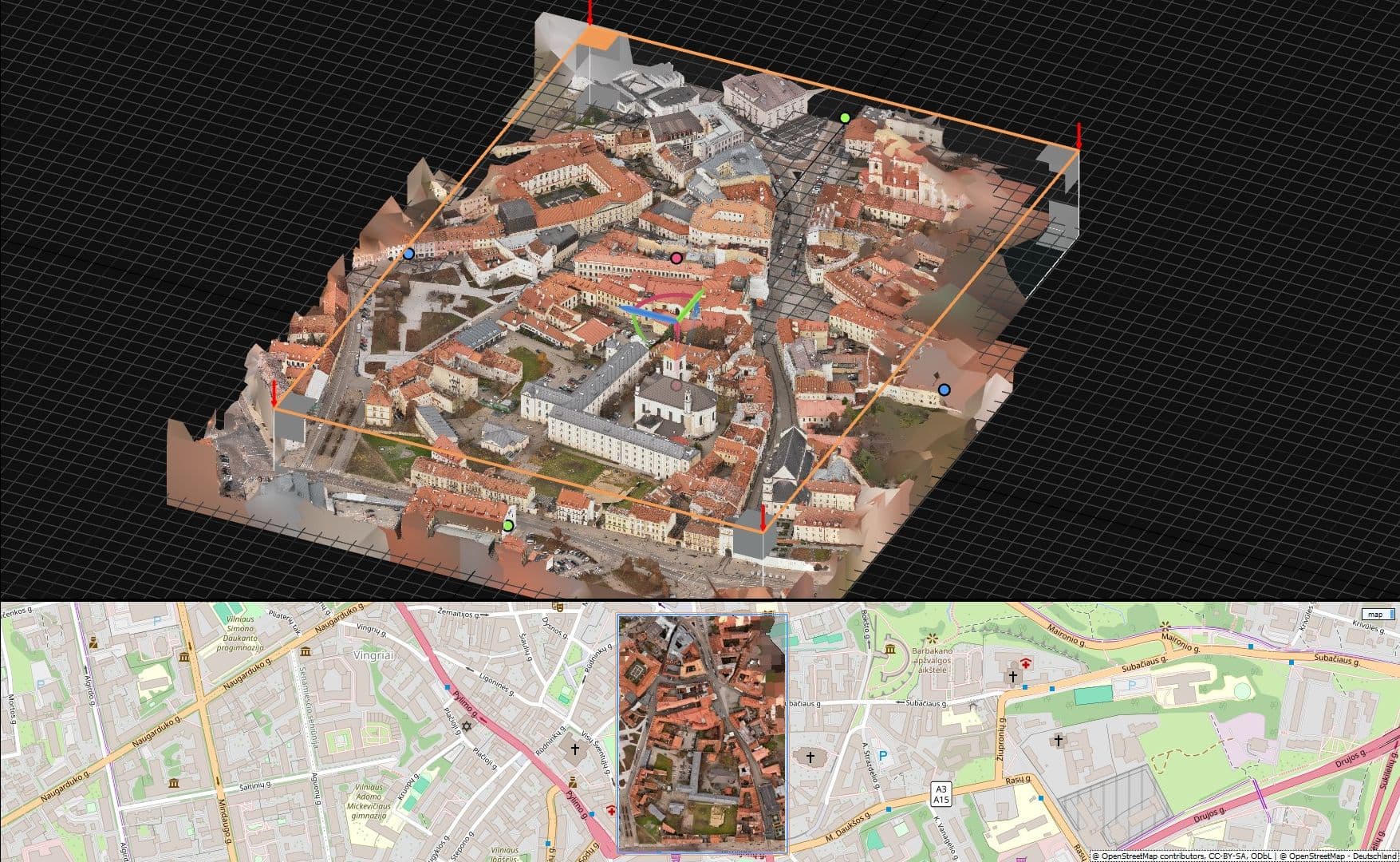
Drone-derived data processing. Photo from the archive of Dr Tadas Žižiūnas.
‘The height maps collected in 2024 and 2025 will make it easier to determine changes not only in the vertical profile of buildings but also in roof shapes and materials,’ explained Tadas Žižiūnas, VU researcher and Head of ‘Digital Heritage’ MB.
Dr Žižiūnas notes that it is particularly encouraging to see the startup’s solutions applied in real urban planning, and he hopes that more cities will adopt this model in the future.
‘After analysing tens of thousands of architectural elements, our AI algorithms helped create an accurate digital model of part of Vilnius Old Town and opened up a new perspective on heritage protection – one where AI-driven data analysis allows us to detect changes at an early stage, from alterations in roof shapes to illegal interventions. This confirms the effectiveness of our technology and highlights its significant potential for broader use in the preservation of heritage sites in other cities around the world,’ said the founder of the startup.