- 2 June 2026
- Greta Zulonaitė
If ‘Day X’ Came: Who Would Defend Lithuania and What Would Motivate Them
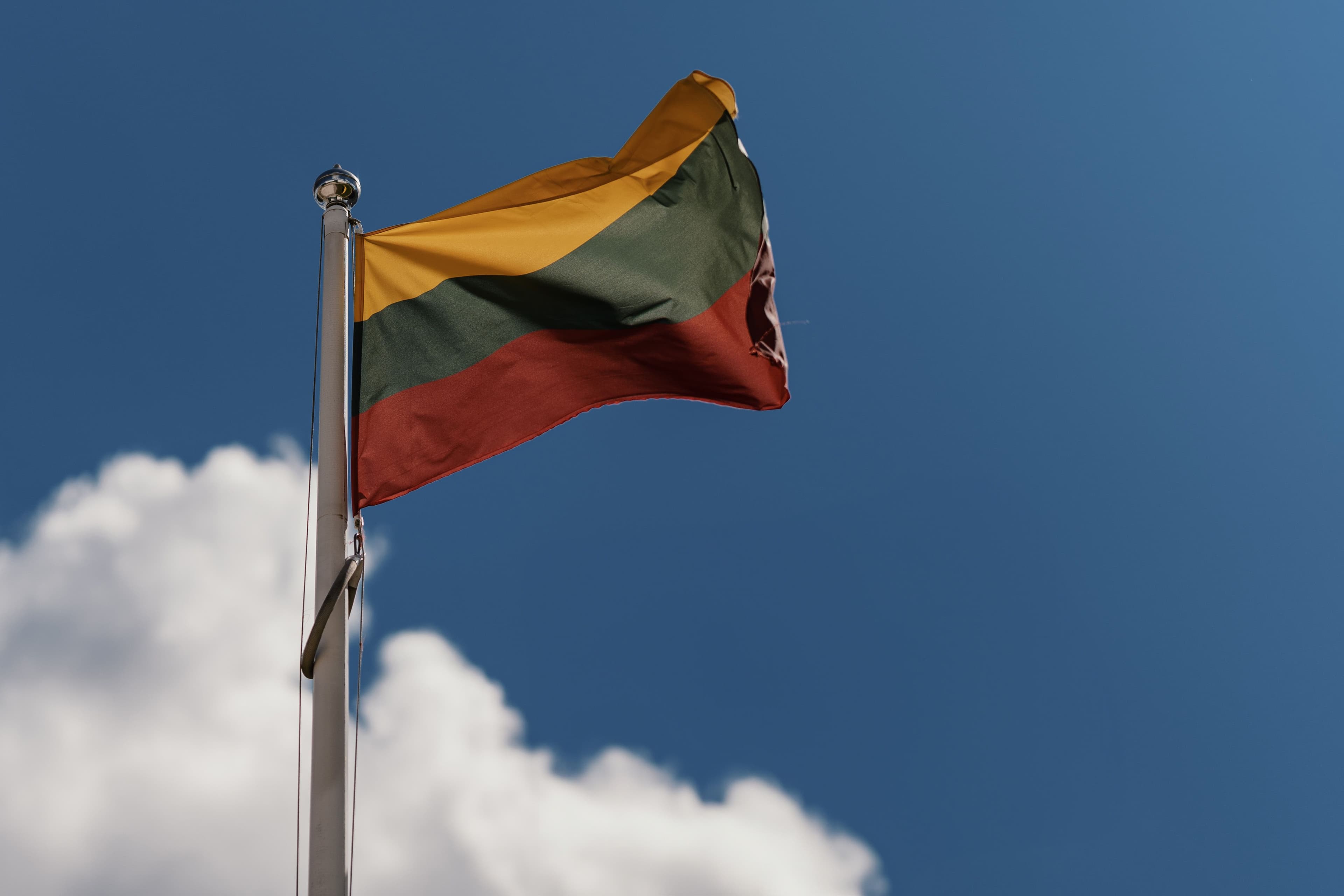
Lithuania has been strongly affected by Russia’s full-scale invasion of Ukraine, which began more than four years ago. This has sparked broader discussion not only about a larger defence budget and military procurement, but also about ways citizens could contribute to civil resistance. Although discussions on defence and concrete measures to enhance security are increasing, the question remains whether this reflects a stronger will among citizens to defend Lithuania in the event of war. According to warfare expert Assoc. Prof. Deividas Šlekys of the Institute of International Relations and Political Science at Vilnius University (VU), a country may have the best army, weapons, and generals, but if its people do not believe victory is possible and are unwilling to contribute to defence, the country faces a bleak future.
The willingness to defend depends on the quality of life
The will to defend and the determination to contribute to defence are crucial factors that determine whether countries survive or fall in war. As the military theorist Carl von Clausewitz argued, the enemy seeks to impose its will upon you. If your will cracks and collapses, the enemy can gain victory. However, if you show determination and refuse to give up even when you suffer physical pain and lose battles, the enemy will struggle to defeat you,’ remarked the Associate Professor.
The importance of the will to defend is illustrated by Russia’s large-scale invasion of Ukraine in February 2022: ‘Four years ago, Russians clearly planned for a quick victory. Western intelligence services, comparing the number of aircraft and tanks each side possessed, predicted Ukraine’s rapid military collapse, but they were wrong. Ukrainians took up whatever weapons they had – or even fought unarmed – and resisted Russia,’ the expert noted.
To assess citizens’ willingness to defend their country, VU researchers – Prof. Ainė Ramonaitė, Assoc. Prof. Šlekys, and researcher Aurelija Tylaitė – conducted a study in 2022–2024 across Lithuania, Latvia, and Taiwan. The survey showed that 83% of Lithuanian citizens believe that the country should be defended with arms. However, the willingness to contribute to national defence in Lithuania, as in the other two countries, is lower: 68% of Lithuanian citizens said they would contribute to national defence through non-violent resistance, while approximately 34% would defend the country with weapons.
Assoc. Prof. Šlekys noted that although the percentage willing to defend the country with arms could be higher, the survey’s findings are encouraging. ‘If each percentage point translated into actual numbers of people, approximately one-third of adult citizens would be willing to defend the country with arms, amounting to hundreds of thousands of people,’ he said.
He also emphasised that it is important to monitor the broader political situation in Lithuania and to pay attention to living conditions, as these factors affect the levels of determination to defend the country. The study, the researcher explained, showed that citizens’ willingness to defend their country largely depends on how they feel about it. ‘If people are dissatisfied with their quality of life, they are less willing to defend Lithuania. This does not mean they are disloyal – it just means they are asking themselves why they should defend a country that does not meet their expectations,’ Assoc. Prof. Šlekys shared.
‘We cannot deny that people will be more inclined to defend their country when their basic needs are met – they do not feel hungry, know they have access to state-provided services or funding, and they feel safe and secure. In this context, security encompasses both physical aspects, such as the presence of the police, and emotional ones – for example, the assurance that an employer cannot abuse their power, and that if such situations occur, there is a justice system capable of protecting individuals and restoring fairness,’ he explained, adding that defence must be regarded in a wider context.
The political scientist emphasised the need to distinguish between two concepts – warfighting and war. According to him, warfighting primarily takes place through armed combat. Here, the military plays the central role, alongside the armed and motivated citizens who join defence structures in various ways.
‘This is combat action, but it is not the entire war. Even during wartime, a country continues to function – hospitals remain open, schools operate, and the economy keeps running. In this way, everyone contributes to national defence, and therefore our determination and courage are critical,’ explained the scientist.
Greater interest in defence = a stronger will to defend?
Despite increased public interest in defence over the past five years, the military expert pointed out that it remains unclear whether this engagement reflects a stronger will to defend the country. ‘In my opinion, interest in and discussion on defence topics demonstrate civic-mindedness. It shows that people care, but will this care and interest necessarily translate into action when ‘Day X’ comes?’ the military expert wondered.
Assoc. Prof. Šlekys said that the civic engagement of residents varies: it tends to be stronger in cities but weaker in other districts and smaller towns. What explains this difference? ‘It is largely shaped by the routines of everyday life. Cities have an advantage in this case: if you do not feel comfortable in one community, you can always join another. Meanwhile, in smaller towns or villages, opportunities to be involved in different activities are limited.’
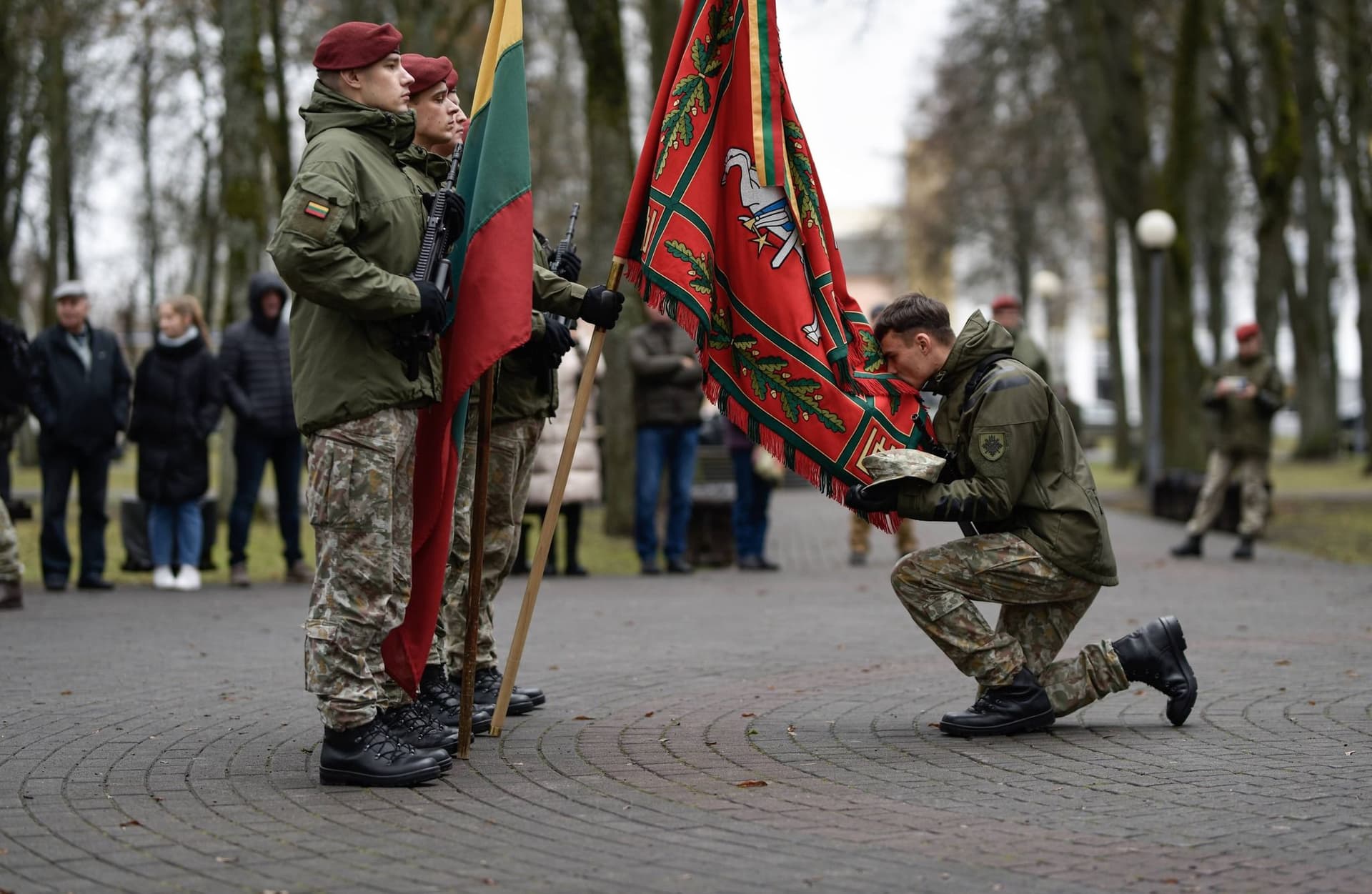
He added that people’s will to defend depends on their trust in the government. ‘Everyday concerns, household pressures, and government decisions – which are not always successful – can create tension and resentment among social groups. For example, during protests, it is sometimes unclear whether protesters are targeting the institution of the Seimas or individual politicians. When people get angry and, sometimes, even mock President Gitanas Nausėda, are they criticising him as an individual, or the presidency itself? I would not want us to make fun of him as president, because we would be mocking the institution of the presidency itself, which represents more than just one individual. In other words, what exactly are we criticising – a particular government or the state itself?’ the expert asked rhetorically.
The study by political scientists at VU found that younger individuals and higher-income citizens are more willing to defend Lithuania. Whereas women, Lithuanian senior citizens, and people of other ethnic groups are less determined to defend the country.
According to the researcher, the study showed that the role of women in defence must be discussed at the strategic level: ‘When this issue is discussed, the conversation is often narrowed to universal conscription. This is something we need to discuss, but it is only one part of the picture.’ He added that, as a social group, women may feel more unsure of their role and how to contribute. This suggests a need for more education through dialogue, explanation, and reassurance.
The expert also noted that discussions about seniors’ roles in the event of war are limited in Lithuania: ‘Typically, the majority of them are not in the best physical condition, and they are unlikely to be lifting heavy loads. Do we simply see seniors as a community that, in a crisis or war, is treated more as a victim requiring assistance, evacuation, transportation, and care? Or do we see them as an active community that can assist, for example, in areas such as IT and food preparation?’ he asked.
Every contribution to defending the country matters
Although there are many civil resistance training programmes in Lithuania, Assoc. Prof. Šlekys sees a lack of coordination in this process. To strengthen citizens’ willingness to defend the country, he added, universities and the wider academic community should also be more actively involved.
‘Many communities are running similar initiatives, but they are often unaware of one another. Sometimes I visit a school and learn that the same topic had already been discussed there a week earlier. This then raises the question of who should coordinate everything – clearly, the state and the government must play a role. While both past and current governments have been seeking solutions, coordination is still lacking: there is a great deal of enthusiasm and activity, but energy is sometimes wasted due to too much overlap,’ the military expert said.
He added that it is important to emphasise to citizens that every contribution matters in wartime: ‘For example, a crane operator handling large and heavy cargo must understand that their work is critical and that they must continue it: after all, they may be needed to unload German or American tanks from ships or trains. Operating a crane is no less important than serving in the trenches. What matters is contributing through your work, which is beneficial for the state.’
The Associate Professor noted that jobs are still too often categorised as primary and secondary. This, according to him, is harmful, because once war begins, everyone has a role to play, whether in essential, reserved occupations, or supporting, civilian roles: some people may guard a warehouse, others a prison, and others still will need to find time to read a book to children – even as bombs are falling or during breaks between attacks.
The role of universities
Since the Law on Military Conscription and Alternative National Defence Service entered into force in 2026, the possibilities for students to postpone military service have been reduced. Students who enter higher education institutions after being included on the conscription list will no longer be able to defer their military service. However, students admitted to universities will have the option to take academic leave to complete mandatory initial military service while retaining their university place, or to acquire military training through other pathways, such as Junior Officer Command Training or voluntary non-permanent military service.
These changes, according to Assoc. Prof. Šlekys, will require universities to make certain preparatory adjustments. He believes that first-year students should receive more information about the possibility of taking academic leave. Although this option is currently more commonly used by students in their final years of study, the legislative changes will make it increasingly relevant for students in earlier years as well.
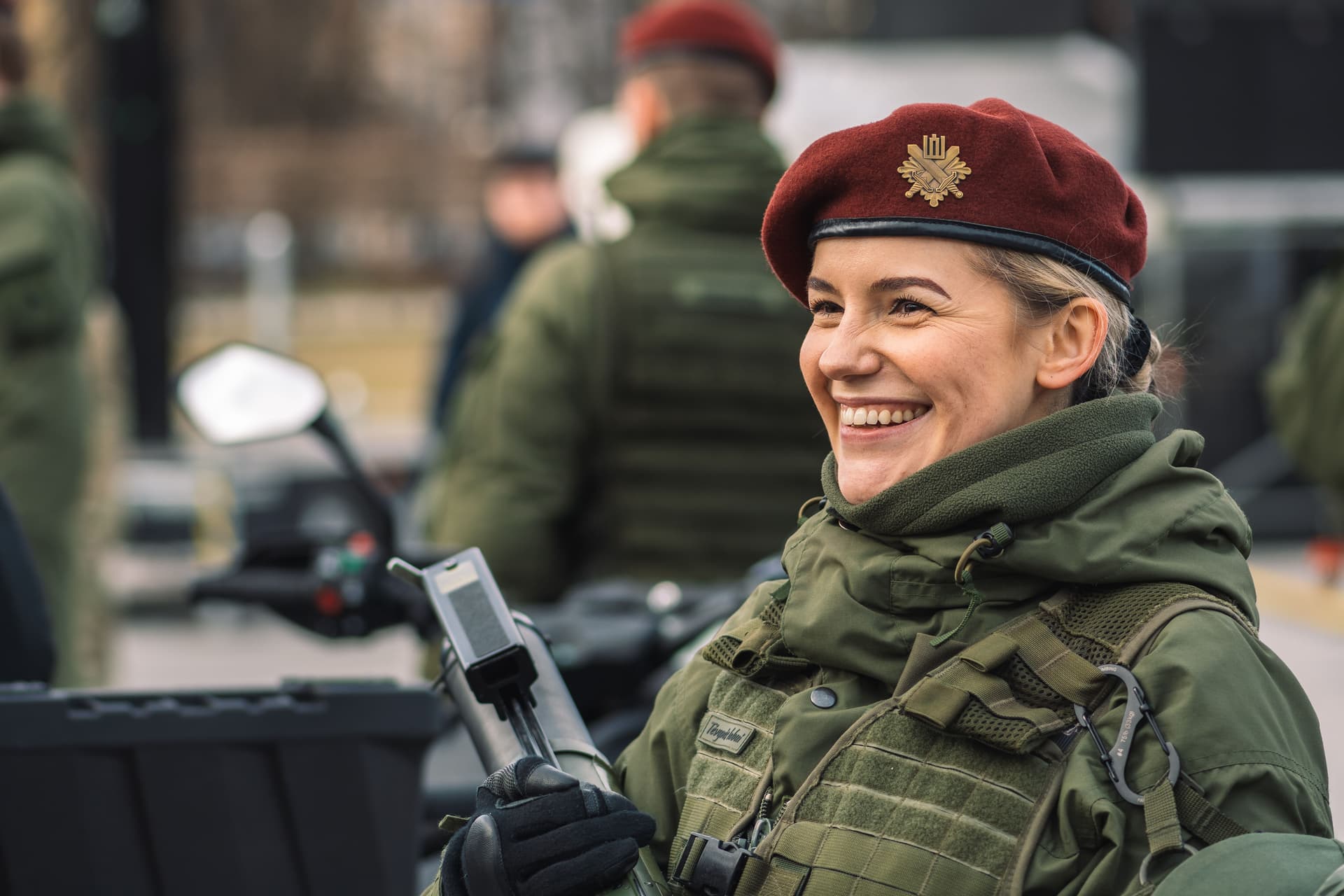
Following the change in the law, the number of students serving in the National Defence Volunteer Forces or participating in Junior Officer Command Training is expected to increase. Since these forms of service usually take place on weekends, concerns have been raised about whether such commitments might affect the quality of studies. ‘I believe that what students may not find in the literature alone can often be compensated by the life experience they gain during service, which they can then integrate into discussions during their studies,’ reassured Assoc. Prof. Šlekys.
Nevertheless, to create more favourable conditions for students performing military service, he argues that universities should develop non-binding, advisory guidelines that would allow greater flexibility in combining studies with military obligations. Such measures could include postponing deadlines for written assignments or rescheduling examinations upon presentation of documents confirming military service.
How can citizens contribute to defence?
When asked how individual citizens can contribute to national resistance, the military expert identified several possible ways:
Mandatory Initial Military Service. Young men aged 18 to 22 who have not completed basic military training, are not exempt from military service, and whose service has not been postponed are called up for mandatory military service. Men and women aged 18 to 39 may also enlist for initial military service on a voluntary basis. The service lasts nine months, though in certain cases it may be shortened by up to three months.
National Defence Volunteer Forces. Volunteer military service is usually performed on weekends, during which volunteer soldiers gradually acquire the skills necessary for national defence. On average, a volunteer soldier serves 20 to 50 days per year. Lithuanian citizens aged 18 to 65 may join this service. The service contract of a volunteer soldier is concluded for a period not exceeding four calendar years. During training, volunteer soldiers learn to operate in small combat units within a familiar environment, including setting up ambushes, conducting shelling attacks, carrying out sabotage operations, and performing other defence-related tasks.
Junior Officer Command Training (JOCT). This training usually lasts three years, with sessions averaging two weekends per month. Practical exercises and field training are conducted at military training grounds and in various military units at the end of the academic year. Both men and women may participate in the training if they wish to enrich their studies with meaningful practical experience.
The Lithuanian Riflemen’s Union. This is a voluntary paramilitary civic organisation whose aim is to strengthen the state’s defensive capabilities and foster civic-mindedness. Individuals aged 18 and above may become members. During peacetime, riflemen prepare for comprehensive national defence. Members may choose between armed or unarmed resistance roles and can specialise in more than 20 different fields, depending on their competencies or willingness to acquire new skills. Activities organised by the Riflemen’s Union usually take place in the evenings after work or on weekends.
Military Commandant’s Offices Command. These are military units that operate during peacetime. All adult Lithuanian citizens may register to join them. Individuals who join these units receive training for three to ten days per year. In the event of war, citizens registered with the commandant offices who have acquired the necessary military skills would assist in defending their town or district and protecting important local infrastructure. Members of the commandant units will be responsible for guarding key facilities in their town or district, setting up and securing checkpoints, enforcing curfew regulations, participating in the requisition of property, monitoring the local environment, and countering illegal armed groups.
Assoc. Prof. Šlekys also recommends joining civic organisations: ‘Groups such as the Scouts, the Red Cross, or the Catholic ‘Ateitininkai’ youth movement teach a wide range of useful skills. Belonging to a community is very important. If you are not ready to join an organisation, I recommend taking an interest in public affairs, following the news, and occasionally participating in civic initiatives or volunteering activities.’