- 5 February 2026
Dr J. Skruodytė: People often Underestimate the Risk Chemicals Pose to Eye Health

Chemical burns to the eyes represent one of the most complex ophthalmological conditions. They can cause long-term visual impairment or even blindness. While these injuries are traditionally associated with damage to the anterior segment of the eye, an increasing body of evidence confirms that, with normal intraocular pressure, chemical burns can also damage the posterior segment – the retina and optic nerve. Dr Justina Skruodytė conducted a study at the Vilnius University Faculty of Medicine to assess the effects of chemical eye burns to determine the level of public awareness concerning these chemical-related ocular injuries.
– Could you tell us what chemical eye burns are and who is most susceptible to such injuries?
– Chemical eye burns are injuries affecting the ocular surface that occur when chemicals, most commonly acids or alkalis, come into contact with the eye. The damage may result from direct exposure to liquids or solid particles, chemical vapours, aerosols or fine particle suspensions. These substances can quickly penetrate the ocular tissues, causing injury to the cornea, conjunctiva and even the deeper structures of the eye, which is why chemical burns are considered among the most dangerous forms of ocular trauma. These injuries most frequently affect working-age individuals employed in industry, construction, and also in domestic settings, when using household cleaning products or other hazardous substances.
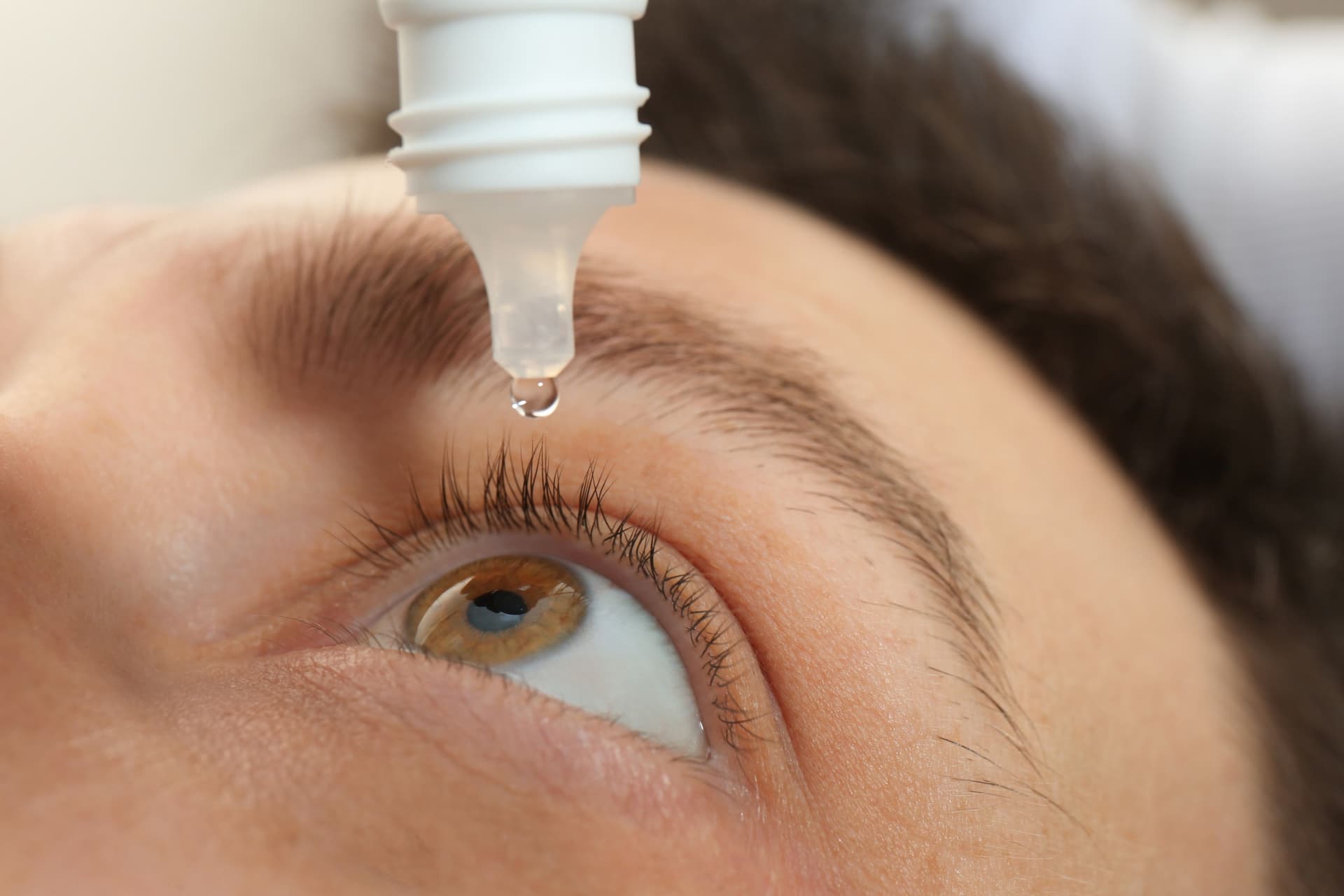
If a chemical substance enters the eye, it must be immediately and thoroughly rinsed with water from any available clean water source (tap, bottled, etc.), and medical attention must be sought immediately. Early and thorough rinsing (irrigation) is the most critical first-aid measure, as it can significantly reduce the extent of tissue damage and the risk of long-term complications.
– What happens when the eye sustains a chemical burn, and what are the possible consequences?
– When a chemical burn to the eye occurs, the chemical quickly damages ocular tissues – the conjunctiva, cornea, or even the deeper structures of the eye. Alkaline substances are particularly harmful because they penetrate deep into tissues, causing damage to cell membranes and tissue necrosis. Acids, by contrast, affect the surface proteins of the eye, which form a barrier that limits deeper penetration of the chemical. As a result, the damage is localised at the point of contact. However, exposure to concentrated acids can cause significant damage to the cornea and conjunctiva, trigger inflammation, and lead to long-term or irreversible visual impairment. The consequences can range from temporary vision impairment to blindness.
My personal clinical experience shows that chemical eye burns often occur during the use of various household and industrial chemicals. The most common causes are battery acid, bleach, detergents, drain cleaners, fertilisers, metal care and rust removal products, paint strippers, disinfectants, wet cement and other hazardous substances. For example, lime, used for tree bleaching, is a strong alkaline substance, and its potential danger is often underestimated, which explains the increased incidence of severe alkaline burns during the spring and autumn seasons. Such injuries can lead to serious complications and long-term visual impairment. Although it is impossible to avoid these substances in daily life, it is important to adhere to safety guidelines and use appropriate personal protective equipment, such as goggles or face shields, when handling chemicals.
– Do you think the public is sufficiently informed about the situations in which chemical eye burns can occur?
– When assessing public awareness of chemical injuries, indications are that it remains limited. Although most people realise that chemicals pose a potential risk to the eyes, in practice, the risk is often underestimated, especially in a domestic setting. Chemical eye burns often occur during the use of cleaning products, disinfectants or other hazardous household chemicals, as well as from inadequate adherence to safety protocols in occupational environments. Consequently, a significant proportion of these injuries occur accidentally. However, they could have been prevented through simple protective measures , such as raising public awareness of the risks and how to prevent chemical eye burns.
– How can people protect themselves from chemical eye burns? What advice would you give to the public?
– Chemical eye burns can be prevented by applying simple but effective preventive measures both at work and at home. When handling chemicals, it is essential to use personal protective equipment, like safety goggles or face shields, to closely follow safety instructions and avoid direct contact with hazardous substances.
Many injuries occur in domestic settings during the use of household chemicals, so it is important to raise public awareness of the potential risks and safe handling practices.
It is important to understand that even common cleaning products or disinfectants can cause serious eye damage, so they must be handled with caution, and direct contact with the eyes should be avoided. Public education on first-aid measures is also very important. If a chemical substance enters the eye, it is necessary to rinse it immediately and thoroughly with water and seek medical attention. An early and appropriate response can significantly reduce the risk of tissue damage and long-term complications, including vision loss.
It is important to note that contact lenses do not provide reliable protection against chemical eye injuries. While in some cases they may act as a mechanical barrier and temporarily reduce direct contact between the chemical and the cornea, they trap the substance on the eye’s surface and prolong its harmful effect, thereby increasing the risk of tissue damage. Therefore, if a chemical enters the eye, contact lenses must be removed as quickly as possible, and the eye must be rinsed thoroughly without delay.