- 18 February 2026
Vilnius University Joins Partners in Launching Two New Arqus Joint Degrees
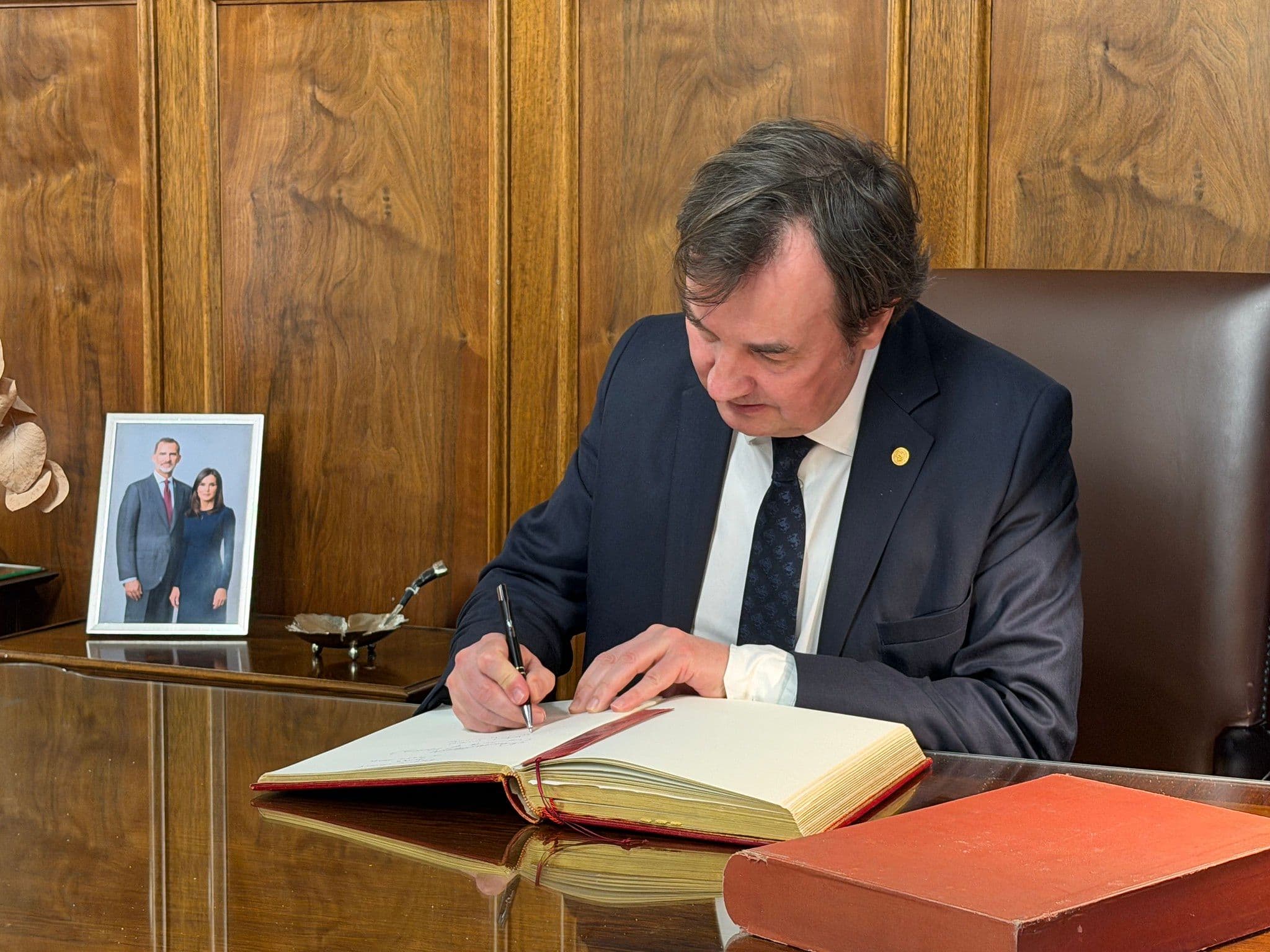
At the 18th meeting of the Arqus Rectors’ Council on 13 February, two new Arqus joint study programmes were approved. The Joint Bachelor’s Programme in Physics for Technology has been developed by Vilnius University together with the University of Granada, the University of Padua and the University of Wrocław, while the Joint Master’s Programme in Translation, Technologies and Artificial Intelligence will be delivered by Vilnius University in cooperation with the University of Granada, the University of Graz and the University of Minho.
Joint Bachelor’s Programme in Physics for Technology
The three-year Bachelor’s programme in Physics for Technology will be taught in English, with the first student intake planned for 2027. The curriculum will run in parallel across all four partner institutions. Selected courses will be delivered jointly in remote or hybrid format to students at each university, while seminars and laboratory sessions will take place on site, ensuring both academic integration and mobility.
The programme aims to provide a competitive European physics education while enabling students to gain international collaboration experience already at undergraduate level.
“We aim to create a physics programme that is competitive in the European context and ensures that students acquire international cooperation experience during their Bachelor’s studies, which is becoming ever more important in the contemporary labour market,” says Prof. Justinas Čeponkus, Vice-Dean for Studies at the Faculty of Physics, Vilnius University.
Students will be able to shape their academic pathway in line with the specific strengths of each institution. At Vilnius University, elective courses and final thesis topics will include laser physics and semiconductor physics.
“Each university will showcase its strengths through elective courses and final thesis supervision. At the Faculty of Physics of Vilnius University, students will have the opportunity to specialise in laser and semiconductor physics. This is an excellent opportunity for us to further strengthen internationalisation and to attract students to pursue further studies and research at Vilnius University,” Prof. J. Čeponkus notes.
Joint Master’s Programme in Translation, Technologies and Artificial Intelligence
The Joint Master’s Programme in Translation, Technologies and Artificial Intelligence aims to prepare highly qualified specialists capable of working at the intersection of translation, digital technologies and artificial intelligence, and of shaping the future of multilingual communication in the era of artificial intelligence.
The curriculum integrates jointly developed modules created by the four partner universities and offers structured mobility opportunities. Students will engage with advanced AI-based translation tools, language technologies and project management practices, while critically examining the ethical, legal and societal implications of artificial intelligence. The programme will culminate in a joint research-based Master’s thesis and is designed to foster innovative thinking, interdisciplinary collaboration and leadership in technology-enhanced language services.
Prof. Mindaugas Kvietkauskas, Dean of the Faculty of Philology at Vilnius University, highlights the broader institutional significance of the initiative:
“The new Master’s programme in Translation, Technologies and AI, developed by the Faculty of Philology together with partner universities of the Arqus Alliance, naturally strengthens the international dimension of our Master’s studies, fosters collaboration and enhances the Faculty’s visibility in the international academic environment. Modules co-created with our colleagues abroad and structured mobility opportunities will enable students to experience genuine academic community in an international setting, while the Faculty will educate specialists capable of operating in the global market of language services and technologies, where intercultural expertise, technological competence and the ability to work in multilingual teams are increasingly valued.”
Through its participation in both programmes, Vilnius University continues to expand its internationally integrated study offer within the Arqus Alliance framework, strengthening cooperation with European partners and reinforcing its commitment to high-quality, internationally oriented education.