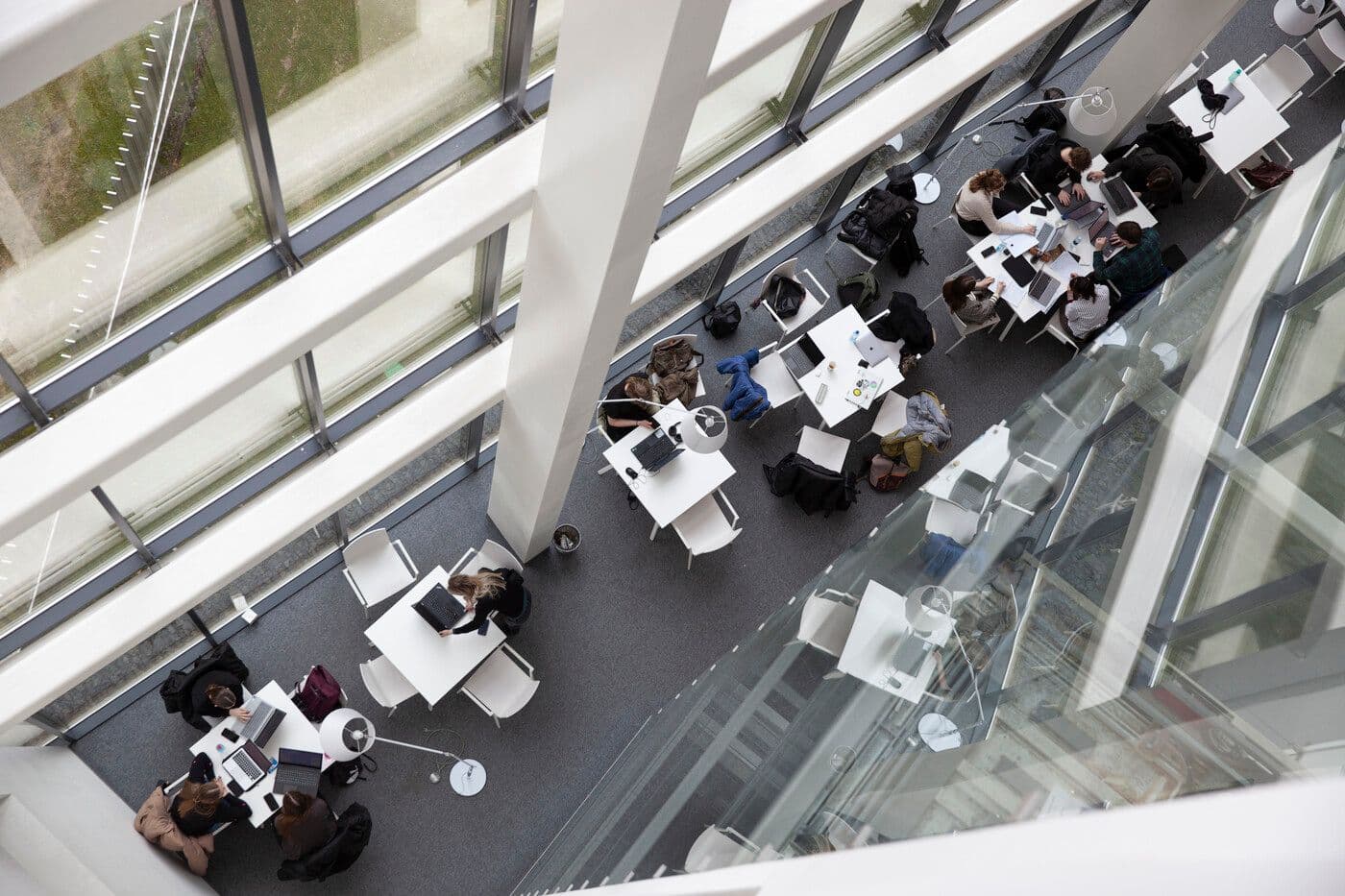
Workshop: Research Integrity in Academic Publishing. Lecturer – Dr Barbara S. Lancho Barrantes.
How much can we trust a scientific publication simply because it appears in a well-known academic journal? How can questionable publishing and citation practices be recognised? And what new challenges does generative AI pose to research integrity?
We will explore these and other questions during an interactive workshop on 29 September at 10:00 am (the duration of the training includes the lunch break as well) at the Vilnius University Scholarly Communication and Information Centre (SCIC). The workshop is expected to last approximately 4 hours. The workshop will be led by Dr Barbara S. Lancho Barrantes, a scientometrician from the University of Brighton.
The workshop will address predatory publishing, paper mills, authorship-for-sale schemes, fake peer review, citation manipulation, and problematic retractions. Participants will explore why researchers publish in questionable journals, whether unethical practices can also occur in reputable publication venues, how problematic publications and citations affect scholarly communication, and what challenges AI poses to academic publishing.
The workshop will combine short presentations with practical activities and discussion. Participants will work through real-world scenarios, learn to recognise warning signs, and share experiences and good practices.
The workshop is intended for academics, researchers, doctoral students, students, research and academic publishing professionals, and other members of the VU community interested in research integrity.
Registration is required. The workshop will be held in English. Participants are encouraged to bring a laptop, if possible, as there will be opportunities to try freely available tools.
About the speaker
Dr Barbara S. Lancho Barrantes is a Senior Lecturer at the University of Brighton and a scientometrician. Her research interests include citation analysis, bibliometrics and scientometrics, research evaluation, scholarly communication, and research integrity. She is also a researcher on the international SciFraud project, which focuses on misconduct in research publications and approaches to identifying problematic practices.