- 7 October 2026
- Gabrielė Rimkutė, Vilnius University information
Dr Kamilė Čerlinskaitė-Bajorė: The First Weeks After Hospitalisation Are Crucial for Patients with Heart Failure

Breathlessness when climbing stairs, swollen legs and unusual fatigue can be among the first signs of heart failure. 'More than 50 per cent of people with this condition die within five years of diagnosis. However, effective treatments are available that significantly improve patients’ survival,' says Dr Kamilė Čerlinskaitė-Bajorė, who recently defended her doctoral thesis on the subject at the Faculty of Medicine of Vilnius University. Her research shows that the first few weeks after hospitalisation are particularly important.
What is heart failure, and why should we talk about it more as a society?
Heart failure is not a disease in itself, but a syndrome characterised by certain symptoms, such as breathlessness and leg swelling, as well as structural changes in the heart or impaired cardiac function. Diagnostic tests may reveal congestion – a build-up of fluid in the lungs, legs, abdomen or elsewhere – and elevated levels of specific biomarkers. It is more often the consequence of other conditions, most commonly cardiovascular diseases, and can be regarded as the end stage of these diseases.
How does this syndrome develop, and what can be done to prevent it?
The most common causes of heart failure are high blood pressure, arterial hypertension, coronary artery disease, including myocardial infarction, heart valve disease and cardiac arrhythmias, the most common of which is atrial fibrillation. Heart failure can also develop following inflammation of the heart muscle caused by various infections, which is why preventing infectious diseases, primarily through vaccination, is also important. Heart failure can also be caused by inherited heart conditions. If there is a family history of such diseases, it is important to have your health checked more regularly.

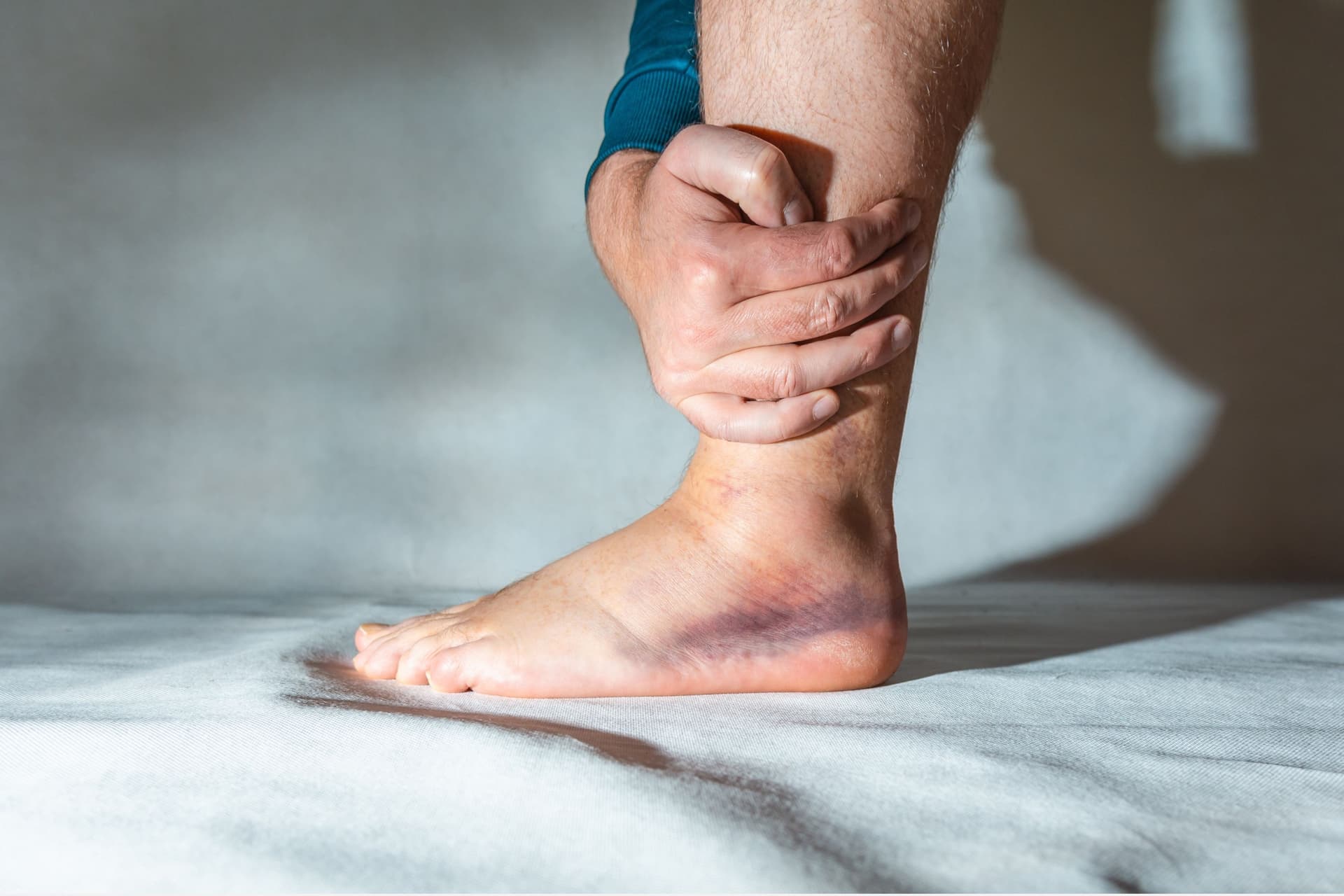
Heart failure is a chronic condition and, in most cases, cannot be cured. However, the earlier it is diagnosed, the greater the chance of slowing its progression and avoiding or significantly delaying more serious complications. People who experience the first symptoms should seek specialist medical advice as early as possible. The main and usually earliest symptom is breathlessness during physical exertion – for example, being unable to climb a flight of stairs without stopping to rest. Another common symptom is swelling of the legs. When these two symptoms occur together, particularly in people with cardiovascular disease, the likelihood of heart failure increases significantly.
It is also very important to participate in preventive health programmes, remain physically active, treat high blood pressure, control cholesterol levels, avoid smoking, limit or completely avoid alcohol and other harmful substances.
Is heart failure a 'problem of old age'?
It is a misconception that heart failure only develops in older people. Although the risk of the condition certainly increases with age, it can essentially develop at any age, although the underlying causes differ. In younger people, heart failure is more often associated with inherited conditions, congenital heart defects or previous inflammation of the heart muscle. As risk factors become increasingly prevalent, more and more younger people are developing arterial hypertension or experiencing myocardial infarction.
What happens to a person when they are admitted to hospital with acute heart failure? Why is the period after discharge so important?
Acute heart failure may be the first manifestation of heart failure, or it may represent a sudden or gradual worsening of chronic heart failure, requiring urgent medical attention and, in most cases, hospital admission. It has been established that patients who require hospitalisation in such circumstances face a risk of death of as much as 25–30 per cent over the following year. These figures are considerably higher than those seen in patients with chronic forms of the condition.
Around 10 per cent of patients die within the first 30 days after discharge from hospital. This early period is considered the most vulnerable, and it was precisely this period that I analysed in my research. Analyses of clinical trials conducted in recent years have clearly demonstrated the benefits of initiating intensive pharmacological treatment early: patients have better survival, require fewer repeat hospital admissions and experience an improved quality of life. Our aim should be to see patients within 30 days of hospital discharge at the latest and ensure that they receive optimal pharmacological treatment.
Is returning to hospital after an exacerbation of heart failure inevitable, or can some of these hospital admissions be prevented?
A repeat hospital admission often indicates that either we have not done everything we could, or that the patient has not followed the prescribed treatment. Our research showed precisely that a significant proportion of these hospitalisations can be prevented by initiating appropriate pharmacological treatment in a timely manner.
Do the findings of your research suggest that patients should be monitored much more closely after discharge than they have been to date?
Absolutely. The first few weeks after discharge can be crucial. We should aim to ensure that, at the time of discharge, patients have a clear follow-up plan and receive specialist heart failure care within 30 days of leaving hospital at the latest. At present, for various reasons, access to heart failure services remains insufficient, despite their effectiveness being clearly demonstrated.
What does 'optimal treatment' actually mean for a patient? Is it simply medication, or does it also include the patient’s behaviour, diet, physical activity and monitoring at home?
Medication is the cornerstone of heart failure treatment, but everything you have mentioned is equally important. During consultations, particularly as part of comprehensive heart failure services, we provide advice on diet and physical activity, as well as on monitoring one’s condition and other principles of a healthy lifestyle. Many patients tend to restrict their physical activity, but scientific research shows that physical rehabilitation makes a significant contribution to patients’ wellbeing and quality of life.
Studies show that treatment can be intensified relatively quickly after acute heart failure. Do doctors prescribe all the recommended treatment doses straight away?
Some doctors are concerned about the side effects of higher doses of medication, while others may mistakenly believe that treatment is less safe for women, for example. We also tend to overinterpret certain test results – such as a moderate deterioration in kidney function – as an indication that medication doses should be reduced or treatment even discontinued. In the scientific literature, this is referred to as “clinical inertia”. It is a very complex phenomenon with serious consequences, and we need to make considerable efforts to overcome it.

Stopping medication often has more serious consequences than the side effects of the medication itself. As doctors, we should remember that the main benefit and goal of treatment are longer survival, fewer hospitalisations and a better quality of life for patients.
What are the most common mistakes patients make after being discharged from hospital?
One of the most common reasons for repeat hospitalisation is stopping treatment. We encounter this very frequently in hospital. Patients who have harmful habits and do not follow dietary or physical activity recommendations are also more likely to be readmitted. It is therefore very important to understand that feeling better does not mean that the disease has disappeared or that treatment can be stopped at will.
If you could change one thing about how patients with heart failure are cared for after hospitalisation in Lithuania, what would you change first?
If there were no limitations in terms of either human or financial resources, every patient would have a follow-up plan after discharge and would receive specialist heart failure care within two to four weeks, depending on the severity of their condition. Heart failure services are delivered by both doctors and nurses, and it is the shortage of nurses that is felt most acutely. So, first and foremost, we need to improve nurses’ working conditions.
Do we currently have sufficient capacity in Lithuania to care for patients not only in hospital but also after discharge, during that critical period when they return home?
At present, we certainly do not have sufficient capacity. Lithuania is developing home nursing services, but their availability and scale do not meet the existing need. This is a problem faced around the world, so Lithuania is not an exception in this respect.
Repeat hospitalisations probably represent one of the greatest financial burdens on healthcare systems, and my research showed that effective pharmacological treatment can significantly reduce them. I believe it is fair to say that by treating patients appropriately and thereby preventing repeat hospital admissions, we could significantly reduce the costs incurred by the healthcare system.
Heart failure is one of the major challenges facing modern cardiology. Why, despite advances in medicine, do its consequences remain so serious?
The prognosis for heart failure can be compared with that of cancer and, in some cases, may be even worse – a large proportion of patients die within five years of diagnosis. However, effective treatments are available that significantly improve patients’ survival.
It is a condition that has a profound impact on the quality of life of those living with it: patients may need to take multiple medications, and the disease can lead to psychological difficulties, depressive symptoms and anxiety. Nevertheless, the treatment of heart failure has advanced considerably over the past 20–30 years. We can effectively help a large proportion of patients with medication and implantable devices.
Unfortunately, in a significant proportion of patients, the disease continues to progress, with symptoms worsening and quality of life declining. In such cases, a mechanical circulatory support device, sometimes referred to as an “artificial heart”, or a heart transplant may become necessary. Alternatively, the disease may reach its terminal stage, when there are no further treatments that can help. In such circumstances, another important goal should be to ensure access to palliative care for these patients.