


Modern Animal Laboratory at the VU Faculty of Medicine Opens up the Possibilities for Neuroscience Research
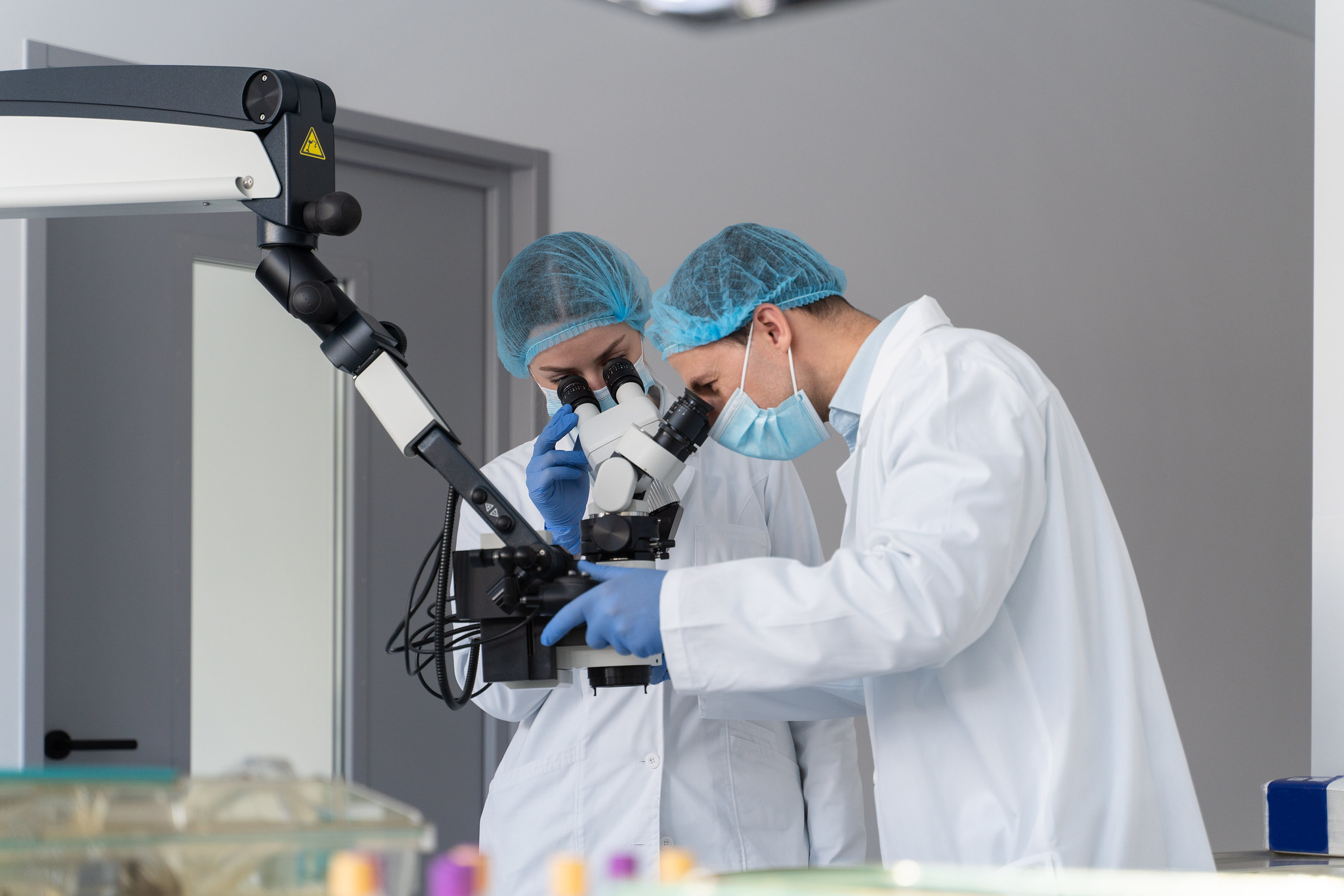 PhD student Vytautas Baranauskas in the vivarium laboratory of the VU Faculty of Medicine. Photo from the VU MF archives.
The Translational Health Research Institute at Vilnius University’s (VU) Faculty of Medicine has initiated a new research direction focused on sustainable and responsible experimental solutions. Crucially, it draws on animal models in a responsible and scientifically justified fashion. This enables the accurate assessment of complex brain and body functioning mechanisms, providing the opportunity to modify them and develop translational solutions significant for the clinic. Such activities are only possible when a high-quality experimental infrastructure is available.
The new animal laboratory offers these possibilities in particular. It is a modern preclinical research environment operated at the highest standards. It enables researchers to conduct rigorous research that requires precise accuracy and systematic exploration of the functional and anatomical organisation of brain networks, as well as the broader bioelectrical processes throughout the entire body. This creates the preconditions for analysing complex phenomena that, in studies involving humans, would not be legally viable.
Researchers Gediminas Lukšys and Žilvinas Chomanskis (PhD) have played an important role from the outset. They are working closely with Vytautas Baranauskas, the coordinator of the animal laboratory. The first experiments initiated by them confirmed that the vivarium was well prepared to ensure a full cycle of preclinical research, starting with accurate data collection and method validation, through to the development of technological solutions.
According to V. Baranauskas, advanced microclimate control, animal health monitoring, specialised care procedures, and constant veterinary care have been established at the vivarium: “Such solutions allow us to ensure the highest levels of animal welfare, while also guaranteeing the reliability of research findings.”
This infrastructure provides the opportunity to explore new avenues of research while also replicating and building upon existing methodologies. One of these is a recently published study on microstates in rats’ EEGs conducted by the Head of the Centre for Applied Neuroscience, Inga Griškova-Bulanova (PhD) and additional Czech colleagues. According to I. Griškova-Bulanova, for the first time, this work clearly demonstrated that in the animal brain, quick and stable transitions of electrical states are present, and that they are similar to the dynamics in the human brain: “This proves once again that animal models represent a reliable means for researching complex brain activities and creating clinical biomarkers with real translational value.”
The new animal laboratory allows integrated research into brain network dynamics as well as broader bioelectric changes in the entire body, thereby enabling the development of accurate animal models for brain network and neuromodulation research, an analysis of the shifts in bioelectric processes in physiological and pathological conditions, the ability to test and validate new technologies for diagnostics, therapy, and neuromodulation, support for the entire translational path from fundamental mechanisms to clinical innovations.
The development of this consistent research ecosystem at the VU Faculty of Medicine integrates brain studies, body physiology analysis, and the development of medical technologies into a single, unified system oriented towards achieving a real impact on human health. The animal laboratory is becoming a space where future neuroscience and biomedical solutions can be developed.