


Scientists Present an Advanced Method for Determining What Type of Plants Ancient People Ate Across Europe
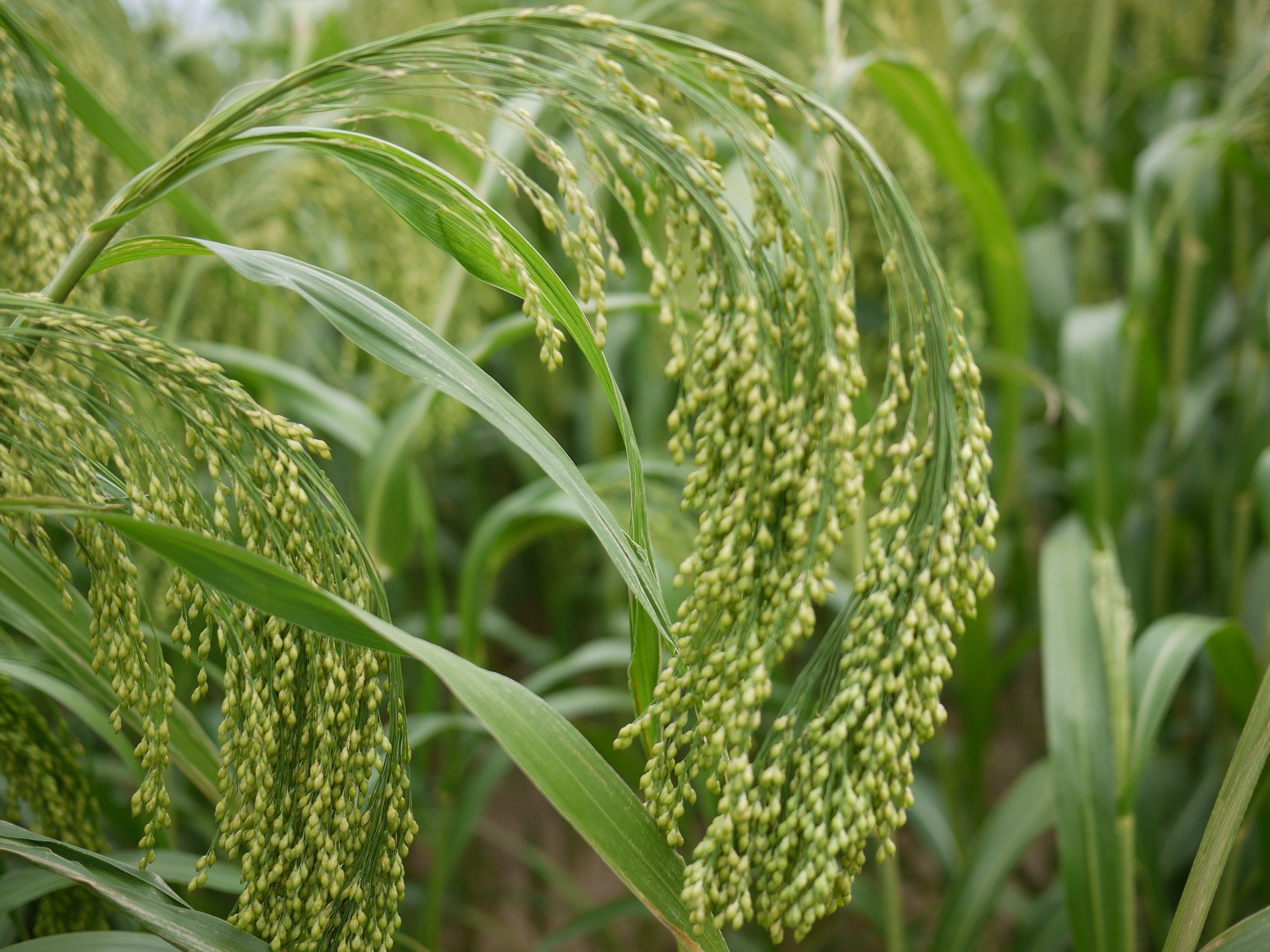 In the journal Communications Earth & Environment, part of the Springer Nature publishing group, an international team of researchers from Vilnius University and the University of Basel (Switzerland) has published a study presenting an innovative method for determining the consumption of C4 plants, such as millet, in ancient diets. This approach marks a significant advance for dietary reconstruction across Europe.
The study is unique in that, for the first time, the evaluation of carbon isotope data is adapted to the environmental conditions of different European regions, which allows the ancient consumption of millet and other C4 plants to be identified much more precisely than with the approach used so far.
"This new ecozone-based model, which combines a variety of environmental proxies with isotope data from archaeological finds, improves the previously used method for C4 diet identification, adjusting carbon isotope threshold to the climatic and environmental conditions of different European regions. This enables more accurate dietary reconstructions and provides the opportunity for new advances in nutrition and ecological research. It is now possible to more confidently determine the consumption of drought-resistant and highly nutritious plants such as millet in different ecological regions of Europe," says the lead author of the article, Dr. Margaux L. C. Depaermentier, a postdoctoral researcher at the Department of Archaeology, Faculty of History at Vilnius University.
According to her, this approach is based on a fundamental principle: the composition of stable carbon isotopes (δ¹³C) in plants is shaped by both their photosynthetic pathway and local environmental conditions. C4 plants, such as millet, have more elevated values than C3 plants, such as wheat, rye, and most other European crops.
Because these physiological differences create distinct δ¹³C signatures, C3 and C4 plants leave measurably different biochemical signals. Moreover, the δ¹³C values of plants are transferred to the tissues of consuming organisms (“you are what you eat”). Scientists can distinguish C3 from C4 consumers by analysing isotopes in bones and other tissues.
However, after compiling more than 4,000 carbon isotope measurements from archaeological grains, the researchers found that a widely used δ¹³C threshold for detecting C4 plant intake does not apply uniformly across Europe’s varied landscapes. “Environmental factors such as temperature, humidity, altitude, and latitude can shift local plant δ¹³C values by more than 2‰,” explains Dr Michael Kempf, an environmental scientist at the University of Basel. “This can lead to major over- or underestimations of C4 plant consumption,” adds Dr Depaermentier.
According to the researchers, this means that identical proportions of millet or other C4 crops in diets can produce very different δ¹³C values depending on where people lived. For example, plants from humid Baltic environments have much lower δ¹³C values than those from the arid Mediterranean. As a result, the previously used δ¹³C threshold made it nearly impossible to detect millet consumption in regions such as Lithuania.
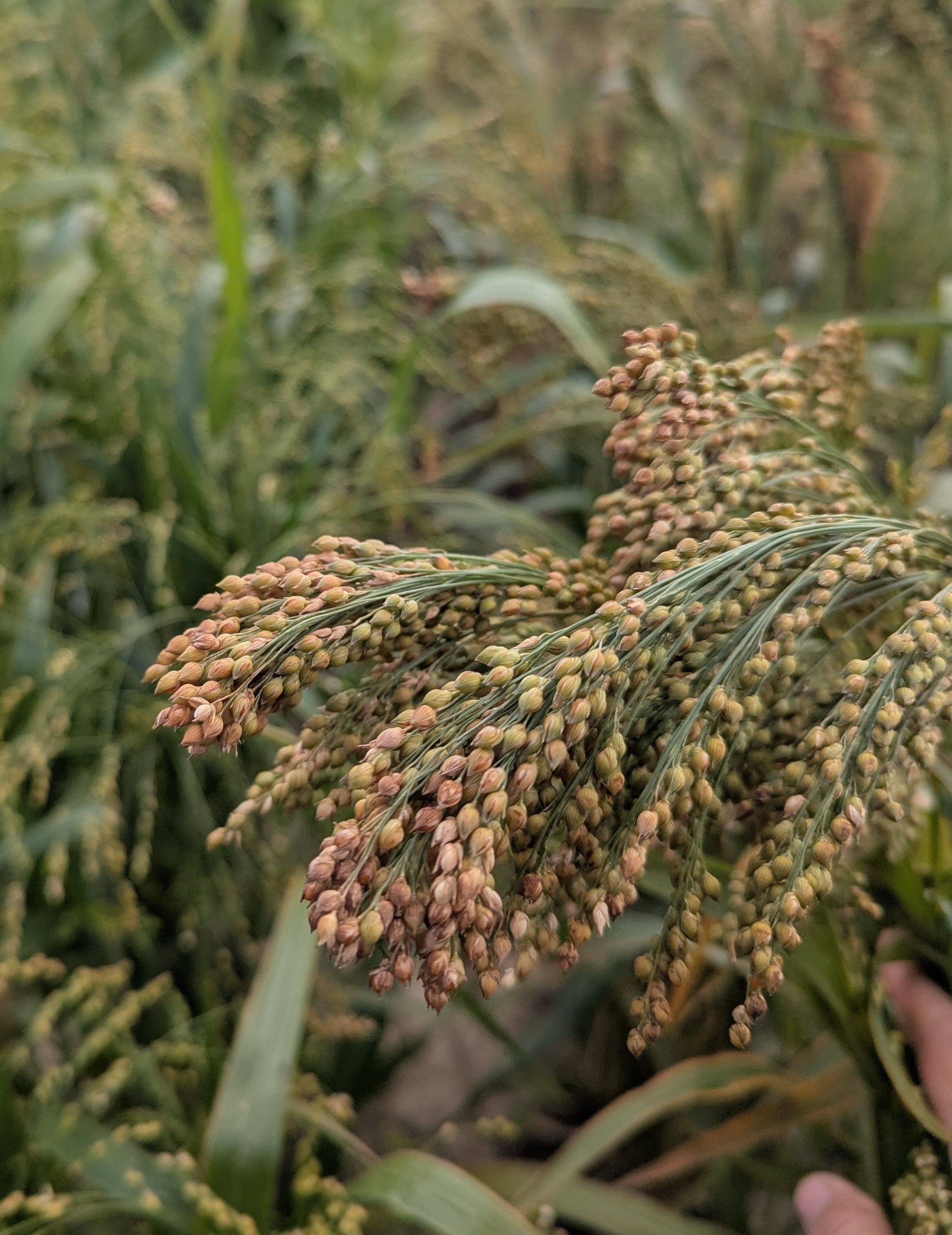
To overcome this problem, Dr Kempf first developed a dynamic map of ecological zones across Europe using topographic, climatic, and environmental datasets combined with advanced clustering techniques. He and Dr Depaermentier then created a new ecozone-based model that links these ecological zones with characteristic δ¹³C patterns. The result is the first set of environmentally adjusted thresholds for identifying C4 plant consumption at both local (archaeological site) and (supra-)regional (ecozone) scales.
With this new framework, researchers can now more accurately trace the consumption of drought-resistant, nutrient-rich crops such as millet across Europe’s ecological mosaic. “Millet’s historical significance is often underestimated. It was an important crop across northern latitudes but has largely been forgotten. Our findings offer a powerful tool for reassessing millet use in Europe and pave the way for expanding such analyses to other parts of the world. Because crops like millet may play a key role in enhancing food security under climate change, understanding their past spread, cultivation, and use is more important than ever,” notes professor at the Department of Archaeology, Faculty of History of Vilnius University Giedrė Motuzaitė Matuzevičiūtė, the co-author of the study and principal investigator the European Research Council (ERC) Consolidator Grant project MILWAYS.
For more details, see the full study: Environmentally adjusted δ¹³C thresholds for accurate detection of C4 plant consumption in Europe in Communications Earth & Environment
This research was supported by the European Research Council Consolidator Grant “MILWAYS – Past and Future Millet Foodways” (101087964), awarded to Prof. Motuzaitė Matuzevičiūtė at Vilnius University, and by the Swiss National Science Foundation project “EXOCHAINS – Exploring Holocene Climate Change and Human Innovations across Eurasia” (TMPFP2_217358), awarded to Dr Kempf at the University of Basel.