- 7 September 2026
- Lina Kocienė
Vilnius University Joins €10 Million European Project to Advance Pancreatic Cancer Treatment
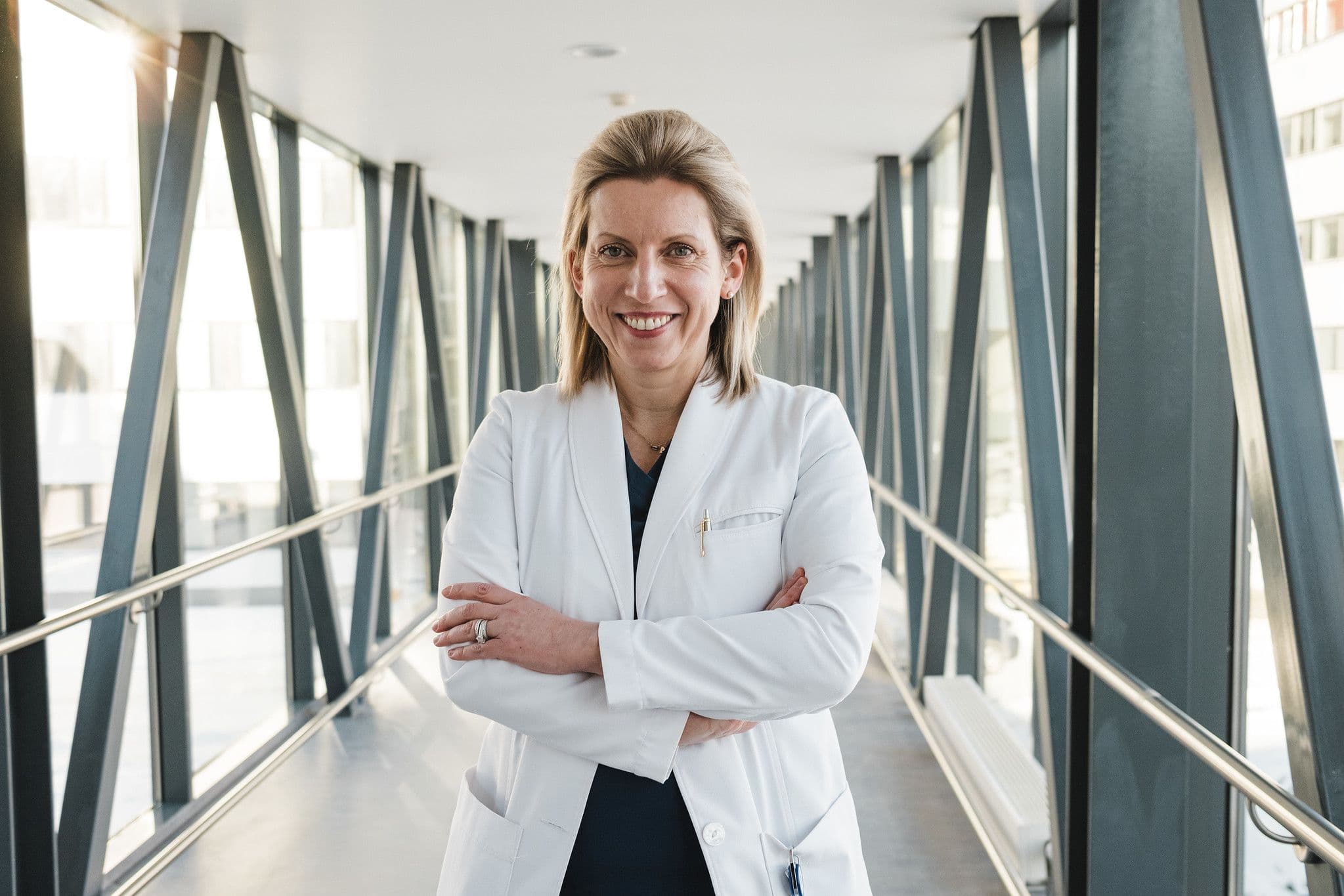
Vilnius University has become a partner in the international PALACROS project, which aims to develop a unified, evidence-based treatment model for locally advanced pancreatic cancer and reduce disparities in treatment outcomes across Europe. Pancreatic cancer is one of the most aggressive forms of cancer. Each year, more than 50,000 patients in Europe are diagnosed with locally advanced pancreatic cancer, while the five-year survival rate remains at only around 13 per cent. Because pancreatic tumours are often located close to vital blood vessels, surgical treatment can be particularly complex. In addition, the use and sequencing of chemotherapy, radiotherapy and surgery vary considerably across European countries.
“The PALACROS project is not only an important step towards improving treatment options for patients across Europe, but also a significant recognition of the expertise of Vilnius University researchers. By participating in this consortium, we will be able to contribute to the development of new treatment standards and ensure that research conducted in Lithuania is integrated into top-level international initiatives,” says project principal investigator Assoc. Prof. Kielaitė-Gulla.
Unified Treatment Standards Across Europe
One of the main objectives of PALACROS is to develop a common multimodal treatment model combining chemotherapy, radiotherapy and surgery. The project partners will work to align the sequence and timing of these treatment methods so that patients across Europe receive equally high-quality, optimised care, regardless of where they live or which healthcare institution treats them. A special attention and focus will be directed towards the Baltic countries.
The project will also introduce artificial intelligence-based medical imaging solutions. These tools will help clinicians assess tumour spread more accurately, plan surgical interventions more effectively and select patients for complex operations. The solutions are expected to reduce the number of unsuccessful surgical procedures and contribute to better treatment outcomes.
Focus on Surgical Expertise and Patients’ Quality of Life
An important part of the project will focus on strengthening the expertise of surgeons across Europe. The consortium will develop specialised international training programmes and promote the implementation of advanced surgical techniques in different countries. This is expected to improve access to highly specialised treatment and help reduce disparities in treatment opportunities between European regions.
PALACROS will focus not only on clinical outcomes, but also on patients’ quality of life. Patient-reported data on well-being, the impact of treatment and long-term outcomes will be collected. At the end of the project, recommendations will be developed on how to integrate the new treatment standards into national healthcare systems. The aim is to ensure that the solutions developed during the project can be applied in practice and eventually become part of routine clinical care.
The Project Brings Together 22 Partners
The PALACROS consortium brings together 22 partners from 12 European countries: the Netherlands, Italy, Germany, Sweden, Belgium, Norway, Austria, Denmark, Poland, Lithuania, the United Kingdom and Romania.
Vilnius University’s participation in the project will strengthen its position in international medical research and contribute to the European Union Cancer Mission’s goal of developing more innovative, effective and patient-centred cancer care.
PALACROS is the third EU Mission on Cancer project under Horizon Europe secured by Assoc. Prof. Kielaitė-Gulla. She previously participated in the successfully funded UNCAN.eu and SHIELD projects.