- 10 November 2026
- Liudmila Januškevičienė, Vilnius University
Can Malfunctions in Our Immune Systems Change Our Personalities?
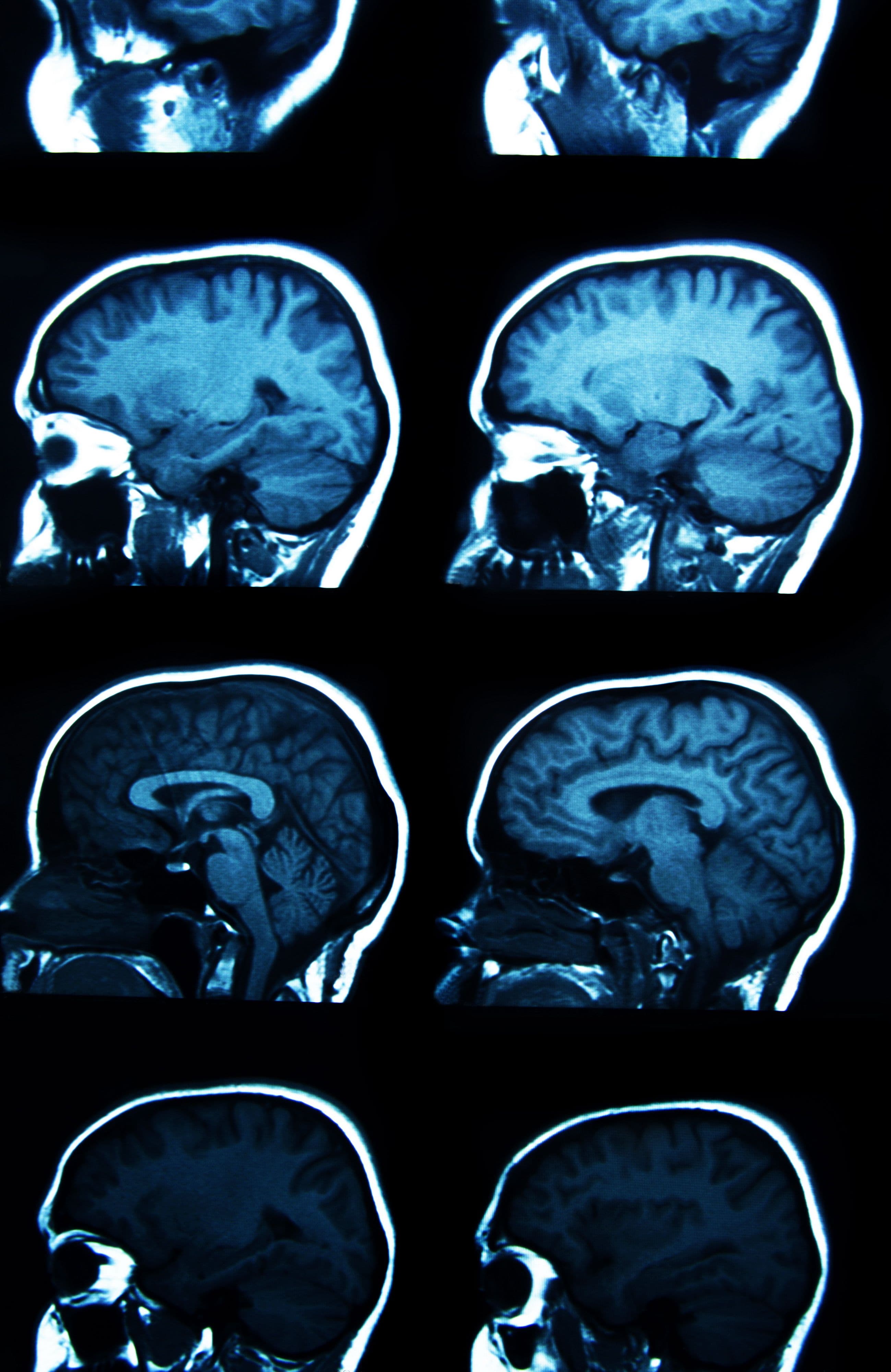
Could our personalities, emotions, or even our perception of reality be altered not by psychological factors or mental disorders, but by our own immune system? Although we usually think of the immune system as the body’s reliable defender, it can sometimes malfunction and start attacking the brain itself. In such cases, autoimmune encephalitis may develop – a disease in which the immune system mistakenly attacks its own cells rather than foreign invaders, disrupting the connections between them. As a result, the brain’s ability to process information changes, along with the way a person feels, thinks, and behaves.
‘When brain function is disrupted, even minor damage can fundamentally change a person – their personality, independence, and ability to remain who they were before,’ said Nataša Giedraitienė, Associate Professor at the Faculty of Medicine of Vilnius University. She added that the disease often begins with changes in behaviour or mental state. If the condition goes unrecognised and treatment is not started in time, the brain may suffer irreversible damage within weeks or months.
It can resemble a mental illness
Science still has no definitive answer to the question of why our immune system, which is meant to protect us, begins attacking the body’s own cells: ‘There are certain theories and risk factors, but why it happens at all, and why it happens to a particular person, remains a major question. Whoever finds the answer will deserve a Nobel Prize,’ noted the neurologist. It is believed that previous infections, genetic predisposition, or other factors that disrupt normal immune function may contribute to the disease.
Across Europe, the incidence of all types of encephalitis (brain inflammation) ranges from 1.5 to 7 cases per 100,000 people per year. Approximately 40% of encephalitis cases are infectious, and around one-fifth are autoimmune in origin. However, in as many as 40% of cases, the cause of encephalitis is never identified.
According to Assoc. Prof. Giedraitienė, infectious encephalitis is more often associated with fever and severe headaches, whereas autoimmune encephalitis more commonly causes seizures, speech disturbances, behavioural changes, or other disruptions in brain function. ‘Two decades ago, many such patients went undiagnosed and were essentially doomed to die because their symptoms were predominantly psychiatric. They were treated by psychiatrists and regarded as patients with mental disorders. Today, we recognise and successfully treat the majority of autoimmune encephalitis cases.’
In autoimmune encephalitis, the immune system mistakes certain brain proteins for enemies. ‘It recognises a protein in the brain as a foreign invader, and the body begins producing large amounts of substances to block it; as a result, proper signal transmission between different brain areas is disrupted. In a sense, normal neuronal ‘communication’ breaks down,’ explained the expert.
If left untreated, the disorder gradually spreads throughout larger areas of the brain and can damage structures involved in speech, memory, emotions, behaviour, and social interaction. ‘Brain function encompasses not only the ability to speak or understand others, but also emotional regulation, social behaviour, decision-making, and the ability to respond appropriately to a given moment or to sustain a conversation. When these signals are disrupted, a person’s behaviour and perception can change profoundly,’ said the researcher.
Even severe cases can be successfully treated
As the neurologist explains, autoimmune encephalitis is not a single disease but a whole group of disorders in which the immune system begins attacking certain brain proteins. The type of disease, its symptoms, course, and prognosis all depend on which protein becomes the target and which brain function is affected.
According to Dr Giedraitienė, medical professionals can often suspect a specific type of encephalitis based solely on the clinical picture or symptoms. ‘For example, a patient may arrive fully conscious but experiencing seizures or involuntary twitching in certain parts of the body – say, persistent twitching in one arm. In such cases, the symptoms alone may already point us towards one particular type of encephalitis. By contrast, anti-NMDA encephalitis often presents much more severely: patients may arrive with impaired speech and consciousness, it can be difficult to communicate with them, and from their medical history we know that they have previously experienced hallucinations.’
Anti-NMDA receptor encephalitis is one of the most common and best-studied conditions in this group. In this disease, the immune system begins producing antibodies against NMDA receptors located on the surface of brain neurons.
‘There is a high concentration of NMDA receptors in certain brain structures responsible for our behaviour, emotions, learning, and memory. When these structures are affected, the first signs may be unusual behaviour, irritability, or mood changes, followed later by speech disturbances, impaired consciousness, and hallucinations,’ said Dr Giedraitienė. If left untreated, the disease can progress to severe neurological complications; however, when recognised in time, it can often be cured.
The neurologist recalls what still seems like a miraculous case: ‘For two years, a 19-year-old woman was treated by psychiatrists and given various medications, often in high doses, yet she experienced no improvement during that time. Her only symptoms were hallucinations, delusions, and perceptual disturbances, with no other clear physical signs that might have pointed to a neurological disorder. Once autoimmune encephalitis was finally diagnosed and the appropriate treatment was started, she made a full recovery. Today, she is completely cured. She has finished school, is now pursuing her studies and has returned to her normal life.’
As Assoc. Prof. Giedraitienė emphasises, recovery in such cases usually takes time – from six months to a year – but many people do eventually return to a full life.
Easily mistaken for other illnesses
Autoimmune encephalitis usually does not begin suddenly or dramatically. In around half of patients, the first symptoms are non-specific and may even resemble a viral infection, including fever, headache, nausea, or general weakness. As a result, this stage often goes unrecognised as a neurological illness.
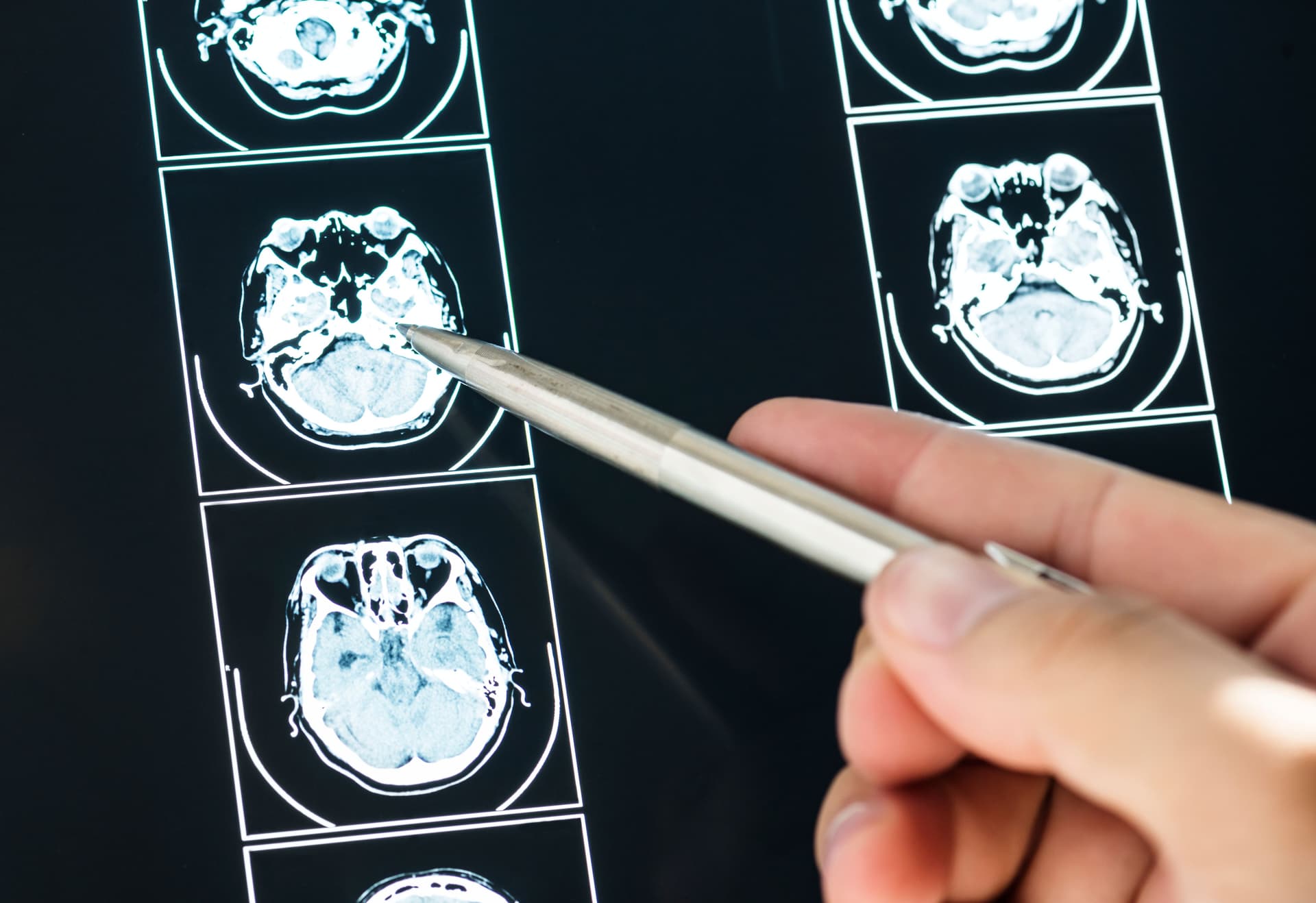
Later, after a week or two, a more pronounced phase begins, marked by behavioural and mental changes: anxiety, insomnia, hallucinations, delusions, unusual behaviour, and memory issues. At this stage, the disease is often mistaken for a psychiatric disorder because the clinical picture closely resembles that of psychosis.
As the disease progresses, clear neurological symptoms begin to appear, including epileptic seizures, movement disorders, involuntary facial or body movements, and muscle stiffness. In more severe cases, patients may develop impaired consciousness, while the autonomic nervous system may also be affected, leading to problems with blood pressure, heart rhythm, or breathing. Such patients sometimes require intensive care and life-support measures.
Eventually, as nerve signals are blocked and normal impulse transmission is disrupted, brain function gradually deteriorates – and without treatment, this process can become irreversible.
No single test can confirm the diagnosis
Today, diagnosing autoimmune encephalitis relies on a combination of several tests, as the disease can mimic both psychiatric disorders and other neurological conditions.
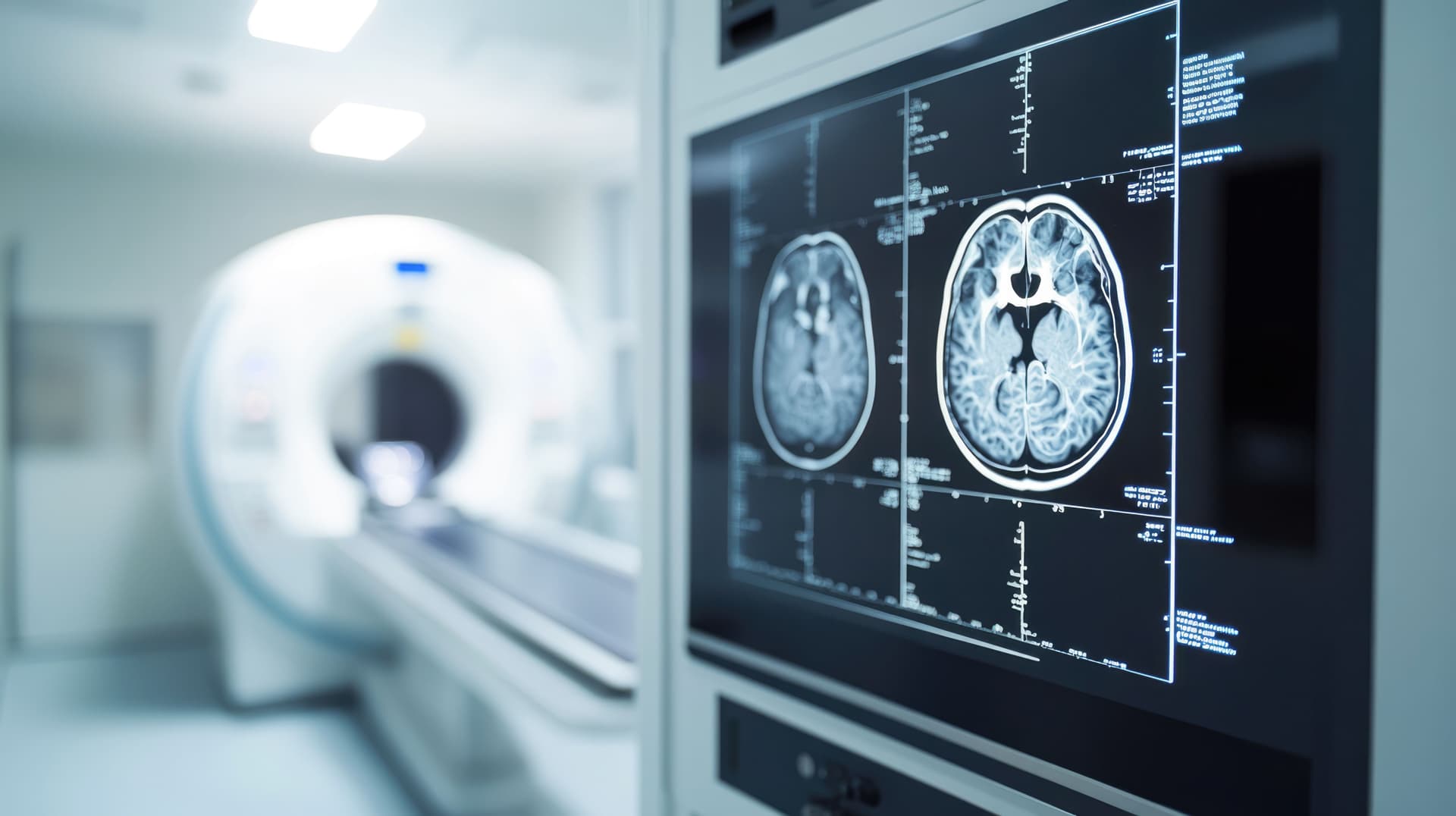
The first step is brain imaging, most commonly an MRI (magnetic resonance imaging) scan. However, the neurologist points out that in many cases (around 60–70% of patients), the MRI results are completely normal or show only non-specific changes. In some cases, however, certain signal abnormalities can be seen in deep brain structures such as the hippocampus or the basal ganglia.
Another very important part of the diagnostic process, according to the doctor, is cerebrospinal fluid analysis, performed during a lumbar puncture. This often reveals signs of inflammation, indicating immune activity in the central nervous system.
A third important method is electroencephalography (EEG), which measures the brain’s electrical activity. In most patients, EEG shows slowed or disorganised activity; in some cases, epileptic discharges or specific signs characteristic of encephalitis may also be detected.
The final diagnosis is confirmed by immunological tests that detect antibodies in both blood and cerebrospinal fluid, although the latter is considered the more reliable source. As the neurologist emphasises, ‘we often combine the two and look at both, because the distribution of antibodies can vary depending on the type of disease.’
Assoc. Prof. Giedraitienė adds that even a patient’s age and sex can sometimes provide an additional diagnostic clue: if we see a young woman (under 45), we think of one group of encephalitis types, whereas in an older man with certain neurological symptoms, we may suspect a different group. For example, one of the most common forms – anti-NMDA receptor encephalitis – occurs more often in women, especially younger ones. Meanwhile, other autoimmune encephalitides (such as LGI1 or CASPR2 encephalitis) are more common in older adults and are seen more often in men. ‘Overall, though, autoimmune encephalitis is slightly more common in women.’
How is brain inflammation linked to tumours?
Searching for tumours is a crucial part of diagnosing autoimmune encephalitis, as some forms of the disease are closely associated with the development of certain cancers, particularly ovarian teratomas and breast or ovarian tumours, which are most often found in young women. In rarer cases, doctors also look for other forms of cancer, such as lung, testicular, or thymic tumours, as well as lymphomas, which are more common in men and older patients.
In some cases, the autoimmune process may also develop after an infection caused by the herpes simplex virus. If a patient’s condition worsens after viral encephalitis, it is essential to investigate a possible autoimmune process – such as NMDA receptor encephalitis – without delay, because in such cases the patient needs immunosuppressive rather than antiviral treatment.
Yet it is important to note that not all cases of autoimmune encephalitis are linked to cancer: some may develop without any clear oncological cause. However, according to the neurologist, when a tumour is a contributing factor, it can act as a ‘trigger’: ‘As the immune system responds to tumour tissue, it may mistakenly begin attacking brain tissue, because similar protein structures are present in both. In this way, what begins as a defensive process extends to the nervous system.’
For this reason, when certain forms of autoimmune encephalitis are diagnosed, clinicians actively search for a possible tumour. As the neurologist emphasises, in some cases – particularly in young women of childbearing age – looking for and removing an ovarian teratoma becomes a key part of treatment, as patients often do not improve until the tumour is removed. In these cases, diagnosing and treating the tumour becomes an essential part of the patient’s overall care.
Two key factors for successful treatment
Treatment for autoimmune encephalitis is primarily aimed at suppressing or resetting the immune system. The main goal is to stop the process in which the immune system mistakenly attacks the brain. ‘We try to suppress the immune system – to put out the fire, so to speak,’ Dr Giedraitienė explained.
The first step is what is known as first-line treatment: corticosteroids, plasmapheresis – a blood-filtering procedure used to remove harmful antibodies – or intravenous immunoglobulins. ‘Steroids put out the fire in the brain, while blood filtration removes the antibodies.’
If this is not enough, stronger immunosuppressants or biological therapies are used. When the disease is linked to a tumour, removing it is crucial, as the tumour may be sustaining the immune response. ‘We then coordinate treatment with oncologists – they remove the tumour, and we choose the safest way to suppress the immune system,’ said the doctor.
With early diagnosis, the prognosis is generally favourable: ‘The earlier we start treatment, the better the recovery,’ the neurologist emphasised. About half of patients improve within the first month, and most can return to a full life within a few years.
However, delayed cases can have serious consequences. If left untreated for too long, the disease can cause irreversible brain damage. ‘Once the process has been allowed to progress, the brain may already be severely damaged, and it is not always possible to restore its function.’
Overall, two factors play a key role in determining the course of the disease and its prognosis: early treatment and the patient’s age. Younger patients usually recover better because their brains are more plastic, whereas older people face a higher risk of residual symptoms. ‘In general, younger people recover more successfully. At an older age, recovery is slower and lasting effects are more common,’ remarked Dr Giedraitienė.