- 15 September 2026
- Vilnius University information
Dr Tomas Vaičiūnas Identifies Why We Feel Tired – And What Can Help
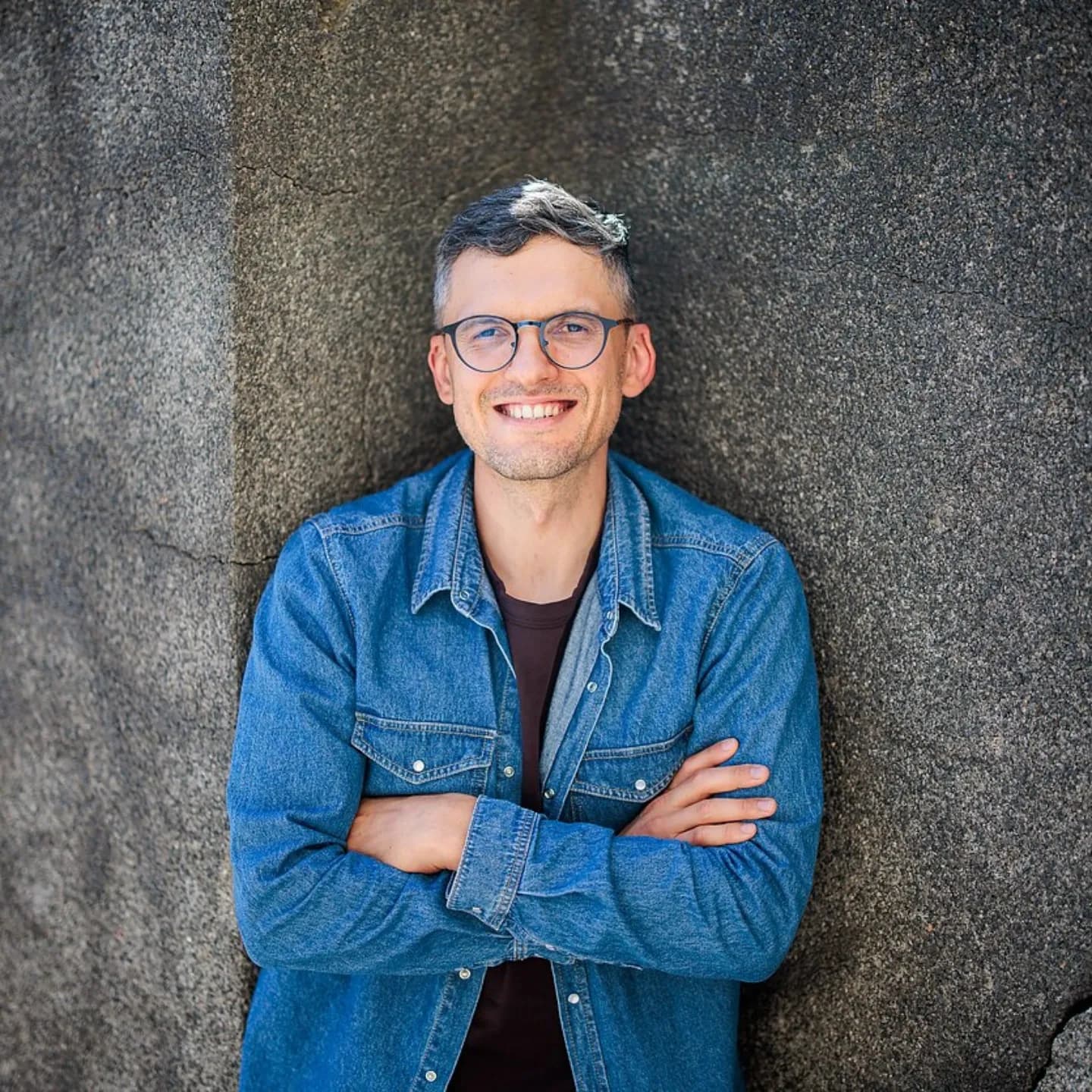
Dr Tomas Vaičiūnas, a lecturer at the Faculty of Medicine of Vilnius University (VU) and a pioneer in developing lifestyle medicine expertise in Lithuania, says that in today’s society, we have normalised fatigue, even though it is not, in fact, a normal state.
‘Our environment contains a huge number of different stimuli, and their number keeps growing every year, or even every month, so evolutionarily we have not managed – or not fully managed – to adapt to them. It is natural for the human body to have limits, and those limits are not absolute,’ the scientist maintains.
Why do people in the modern world increasingly feel ever more tired? In the latest episode of the podcast Mokslas be pamokslų (Science Without Sermons), Dr Tomas Vaičiūnas discusses the causes of fatigue and how our lifestyles affect our wellbeing.
Key stimuli
Fatigue can be triggered by a variety of stimuli. According to Dr Tomas Vaičiūnas, one of them is the huge flow of information, which takes a toll on our psycho-emotional state: ‘However plastic the brain may be – that is, however capable of learning and adapting – it cannot adapt quickly enough to the sheer volume of news we follow and the information reaching us.’
In addition, the scientist notes that advances in technology mean that society is less physically active. What we eat and the nutrients our bodies obtain from food also influence fatigue.
‘We are bombarded with information from all kinds of sources, and worn down by our work environment, our commitments, and so on. Yet even if the body were able to keep up with this, it would still lack the resources to do so, because we do not look after it: we do not move enough, we do not get enough ‘fuel’, and we do not safeguard our psycho-emotional wellbeing,’ said Dr Tomas Vaičiūnas, adding that poor sleep hygiene also contributes significantly to fatigue.
When we devote a great deal of time to commitments, work, and various activities while neglecting our psycho-emotional health and social relationships, signs of chronic fatigue begin to appear, following us through everyday life like a chain reaction.
The importance of sleep
The scientist says it is far more important to get up at roughly the same time each day than to sleep for seven or eight hours necessarily. Good-quality sleep depends on healthy eating habits, stress management, and physical activity.
Dr Tomas Vaičiūnas provides an example: in the second half of the day, in order to raise our energy levels, we consume large amounts of caffeinated products, and in the evening, we eat plenty of foods rich in simple sugars – cakes, chocolate, ice cream. If this becomes a recurrent pattern, it has significant implications for the quality of our sleep.
Excessive consumption of caffeinated products, such as energy drinks, and sugar produces a temporary surge in energy, making it seem as though we have more of it to draw on. What are the risks of resorting to these methods too often?
‘Essentially, this is like a loan taken out at a very high interest rate, repayable in the near future. For example, what happens if we try to sustain our energy with caffeine? Put simply, when we experience fatigue during the day, the brain produces large amounts of adenosine. Once enough of it has built up, we feel the signal – fatigue. Caffeine then binds to adenosine receptors and blocks them, preventing us from feeling tired. The fatigue is still there, though – it is simply blocked temporarily.’
‘When the effect of the caffeine wears off, we experience a massive surge of fatigue. This usually strikes in the late afternoon or evening, because during the first and second halves of the day, we have, so to speak, forced the body to mobilise itself using various auxiliary methods. When we return to a relatively safe environment away from work and other commitments, it all comes crashing down. This is how we end up with chronic systemic fatigue and major swings in energy. It affects our physical body, our psycho-emotional state, and the quality of our sleep,’ the scientist clarified.
A way to reduce fatigue
Dr Tomas Vaičiūnas points out that the first and essential condition is to set aside time for oneself and one’s health. This means we should avoid alcohol, nicotine, and excessive caffeine, and instead choose to engage in enjoyable activities that naturally boost dopamine.
‘If you do need energy quickly, the best source of it is complex carbohydrates: fruit, berries, a few nuts, perhaps some seeds, and if you particularly enjoy them, even vegetables. These are the ‘good’ carbohydrates, which are released slowly and, at the same time, supply plenty of micro- and macronutrients. They do not help us as fast as a sweet or a chocolate bar would, but after waiting 10–15 minutes, they provide that cleanest, most fundamental form of energy, which we can then put towards whatever activity we want to do,’ the scientist stated.
The researcher also points out that our bodies are programmed to take around 7,000–10,000 steps a day. He also dispels the myth that moving this much creates a greater need for amino acids or protein. ‘Firstly, the intake of micro- and macronutrients should depend on blood test results. We should only have more of them when we are actually deficient in them. Unfortunately, the market is flooded with an enormous range of dietary supplements. Yet the effects of some are not well-founded – their efficacy has never been evaluated, or they simply do not have the claimed effect.’
‘Nevertheless, there are certain groups of supplements that are currently the most researched and worth considering, after consulting with your GP or another doctor involved in our care. These may add real value, because due to our daily diet or lifestyle habits, we may be lacking certain nutrients – omega-3, for example.’
‘In addition, given certain natural physiological changes that occur in the body after age 45 – particularly in women, but in men too – creatine monohydrate may be added as a supplement, in consultation with a doctor. Adults under a heavy cognitive load, regardless of age, might also consider adding creatine monohydrate to their daily diet, as research suggests it may help support cognitive function,’ explained Dr Tomas Vaičiūnas.
However, according to him, taking dietary supplements when we do not actually need them can also have undesirable consequences. Firstly, supplements taken without consulting a doctor can interfere
with one another’s effects or even cancel each other out. Secondly, if a person takes micro- or macronutrients, or a supplement that the body does not need at that particular time – iron or vitamin D, for example – the excess can strain the body, particularly the liver and kidneys.
This and other conversations are available in the LRT.lt radio archive and on the VU YouTube channel.