- 11 November 2026
- Ingrida Kuzborskaja
The Moon Is Not the Wild West: F. Rabitz Calls for a Pause on Lunar Industrialization
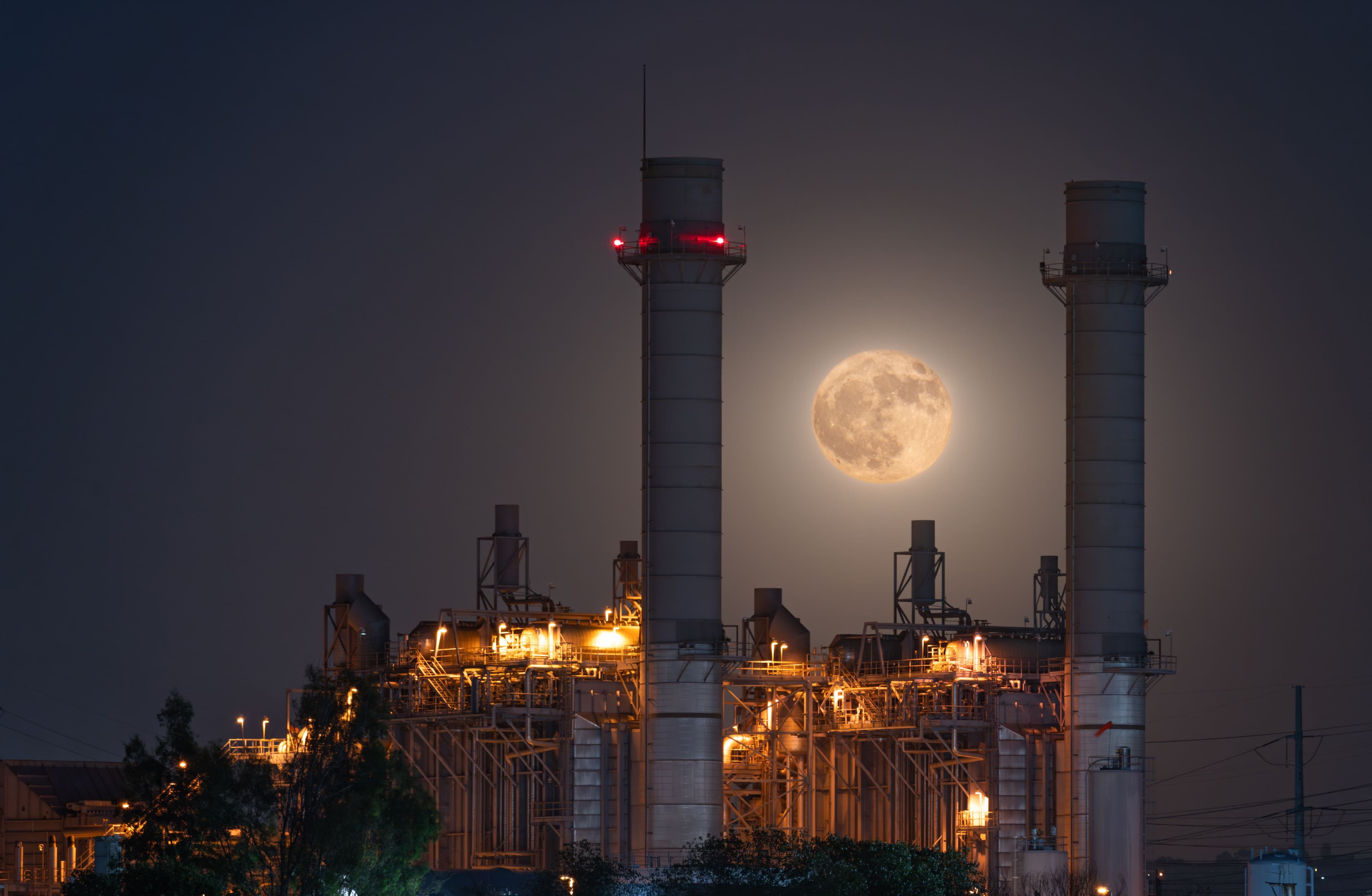
As the major powers and the private companies go full pelt with their plans to develop infrastructure and extract resources on the Moon, the questions around environmental protection, international regulation and who benefits all come into play. Vilnius University Institute of International Relations and Political Science (VU IIRPS) Professor Florian Rabitz, together with Xiao-Shan Yap from Utrecht University, explores these concerns in their research article, 'Don't Fly Me to the Moon: A Moratorium on Lunar Industrialization', published in the international academic journal Global Environmental Politics.
The researchers argue that large-scale lunar industrialization could cause irreversible environmental damage, disrupt scientific research, and threaten the Moon's cultural significance. To handle these risks, they propose a temporary moratorium on industrial development, allowing time to establish international regulations and encourage broader public debate about whether and how such activities should proceed.

'Frankly, I think that it is something that is needed, but not necessarily something that we are very likely to get,' says F. Rabitz.
He emphasizes that most people remain unaware of the scale of lunar development currently being planned by the United States, China, and private space companies, despite its potential consequences for humanity.
Another main concern is the risk of unequal access to lunar resources. Countries and corporations that establish infrastructure first could gain major advantages and effectively control access to certain areas of the Moon.
'With the Moon it's absolutely clear that whoever is doing the big infrastructure work (the Americans or the Chinese) is going to be asserting their position, including by defining their own exclusive territories. That shouldn't be the Wild West,' says F. Rabitz.
Under international space law no country can claim sovereignty over the Moon. The researcher cautions that without some form of stronger international governance, the development of the Moon is likely to be the preserve of a very small number of powerful players.
While it may be very difficult to constrain the ambitions of the major space powers and space corporations, F. Rabitz does believe that greater citizen and civil society engagement, along with greater involvement from scientists and governments, could go some way to shaping the trajectory and pace of lunar industrialisation.
The publication highlights the need for a more inclusive international discussion before large-scale industrial activities begin, making sure that decisions about the Moon consider environmental protection and humanity's interests.