- 5 June 2026
- Dr. Miglė Gabrielaitė, Ingrida Tomaševskienė
The Only Bioinformatics Master’s Programme in Lithuania: VU Studies Open the Door to a Fast-Growing Scientific Field
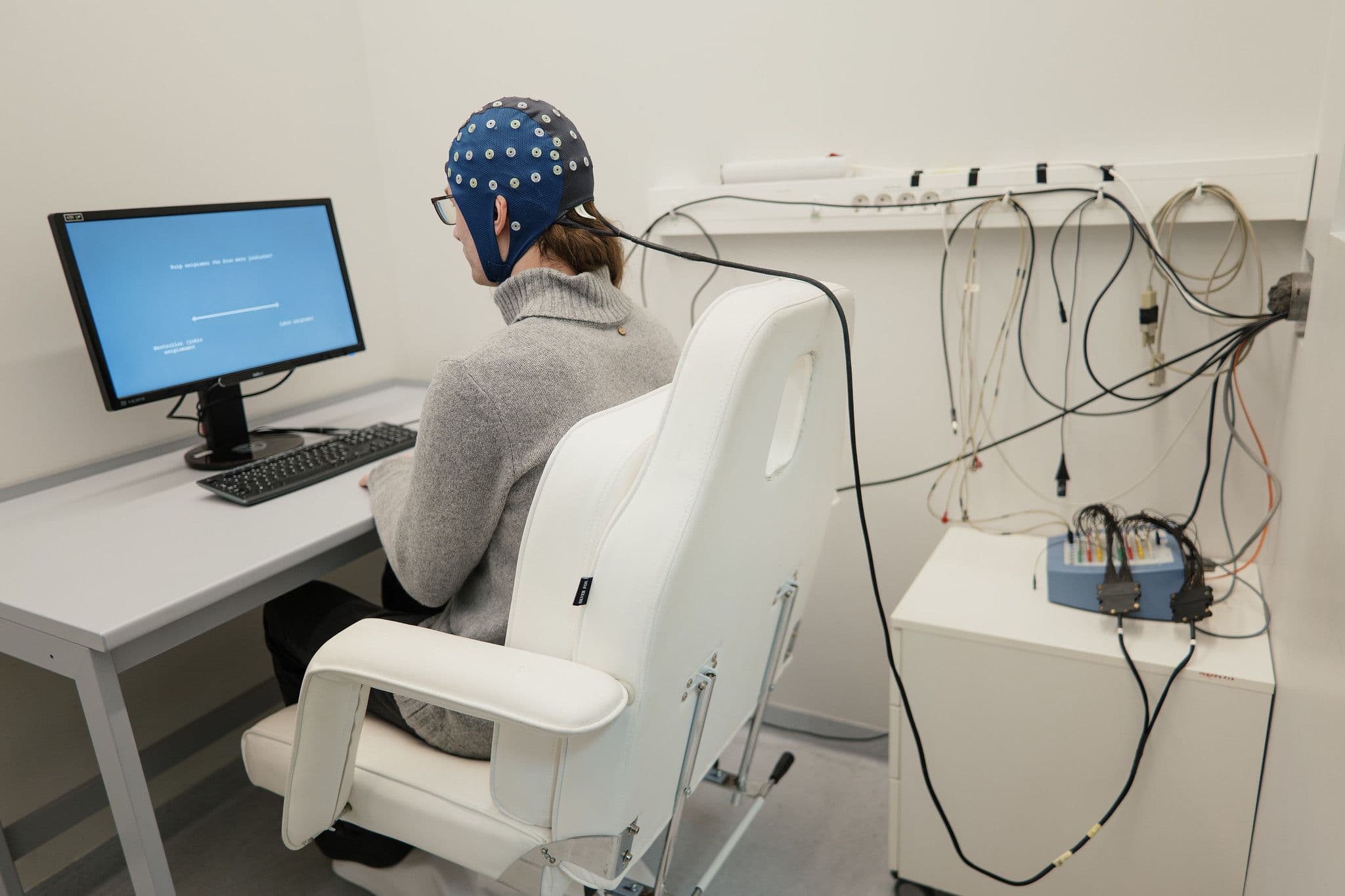
Rapid advances in the life sciences worldwide are driving a growing demand for bioinformatics specialists. Their expertise is now highly sought after and valued in both research institutions and innovative companies. Vilnius University Life Sciences Center (VU LSC), together with the VU Faculty of Mathematics and Informatics, is introducing the first and only Master’s programme in Bioinformatics in Lithuania. The programme will be taught in English and is designed for those who want to contribute to the development of cutting-edge scientific solutions.
Why bioinformatics and why now?
In recent years, the life sciences have experienced a major technological breakthrough. Modern research methods now allow scientists to generate more biological data than ever before – from genome sequences and protein structures to single-cell activity and disease spread data.
However, collecting data alone is no longer enough. Today, one of the greatest challenges lies not in generating data, but in understanding it. Increasingly important are the abilities to analyse and interpret data and transform biological information into meaningful scientific insights and practical solutions.
This is where bioinformaticians become essential – specialists capable of combining life sciences, statistics, programming, and data analysis. They not only analyse biological data, but also develop methods and tools that help researchers understand complex biological processes, track viral evolution, identify the causes of genetic diseases, and apply artificial intelligence in medicine and biological research.
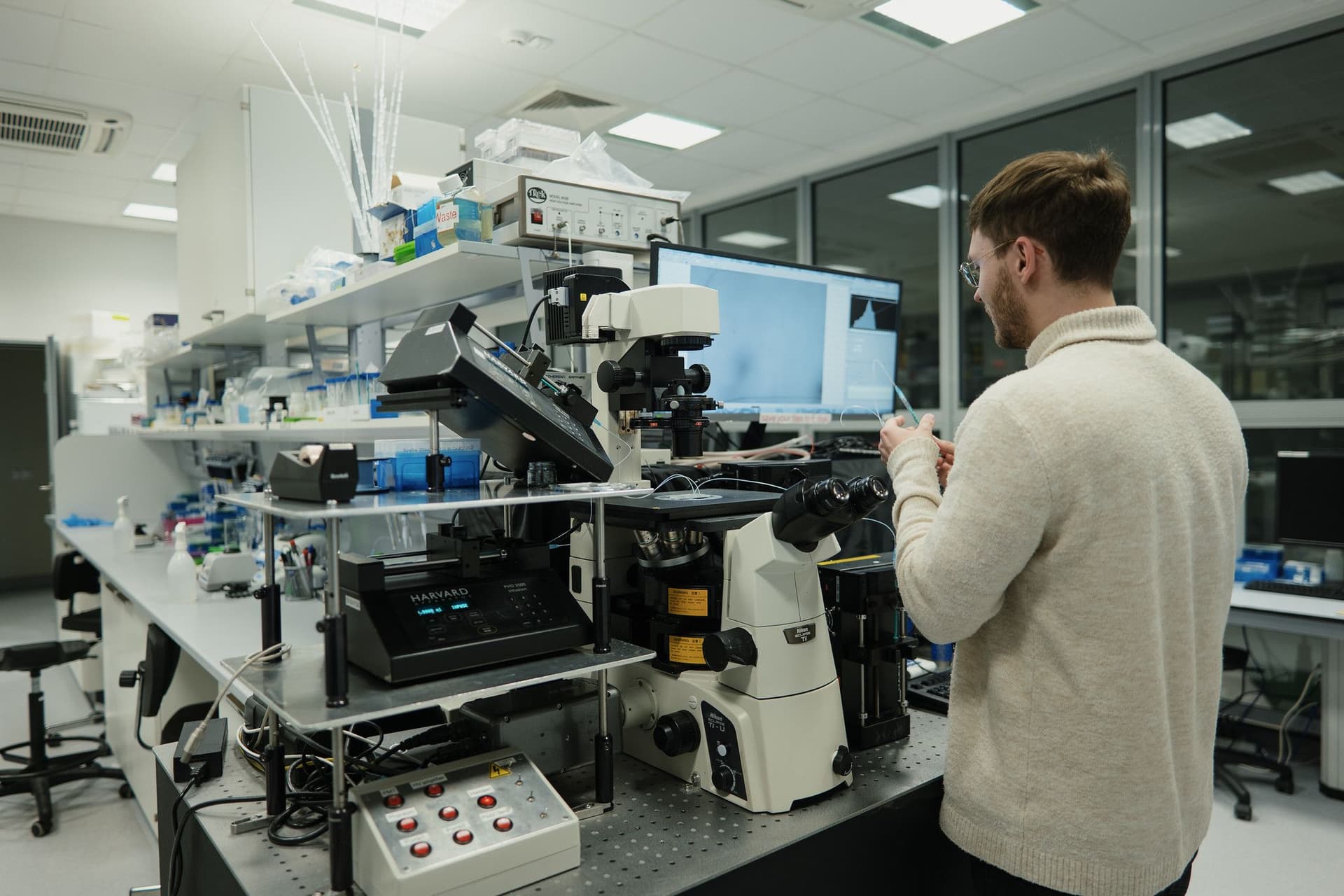
Photo by Vilnius University.
How specialists in this field are trained
Bioinformatics is often mistakenly perceived as merely programming or working with large datasets. In reality, it is a field in which computational methods serve as tools for addressing biological questions.
For this reason, the new Bioinformatics Master’s programme at VU LSC and VU Faculty of Mathematics and Informatics focuses not only on developing technical skills, but also on understanding biological processes, interpreting data, and formulating scientific questions.
The two-year curriculum is designed for students with different academic backgrounds – during the first semester, depending on previous studies, students strengthen either their biology or computer science foundations. Some study molecular biology and biochemistry, while others focus on GNU/Linux systems, Python programming, or data analysis methods.
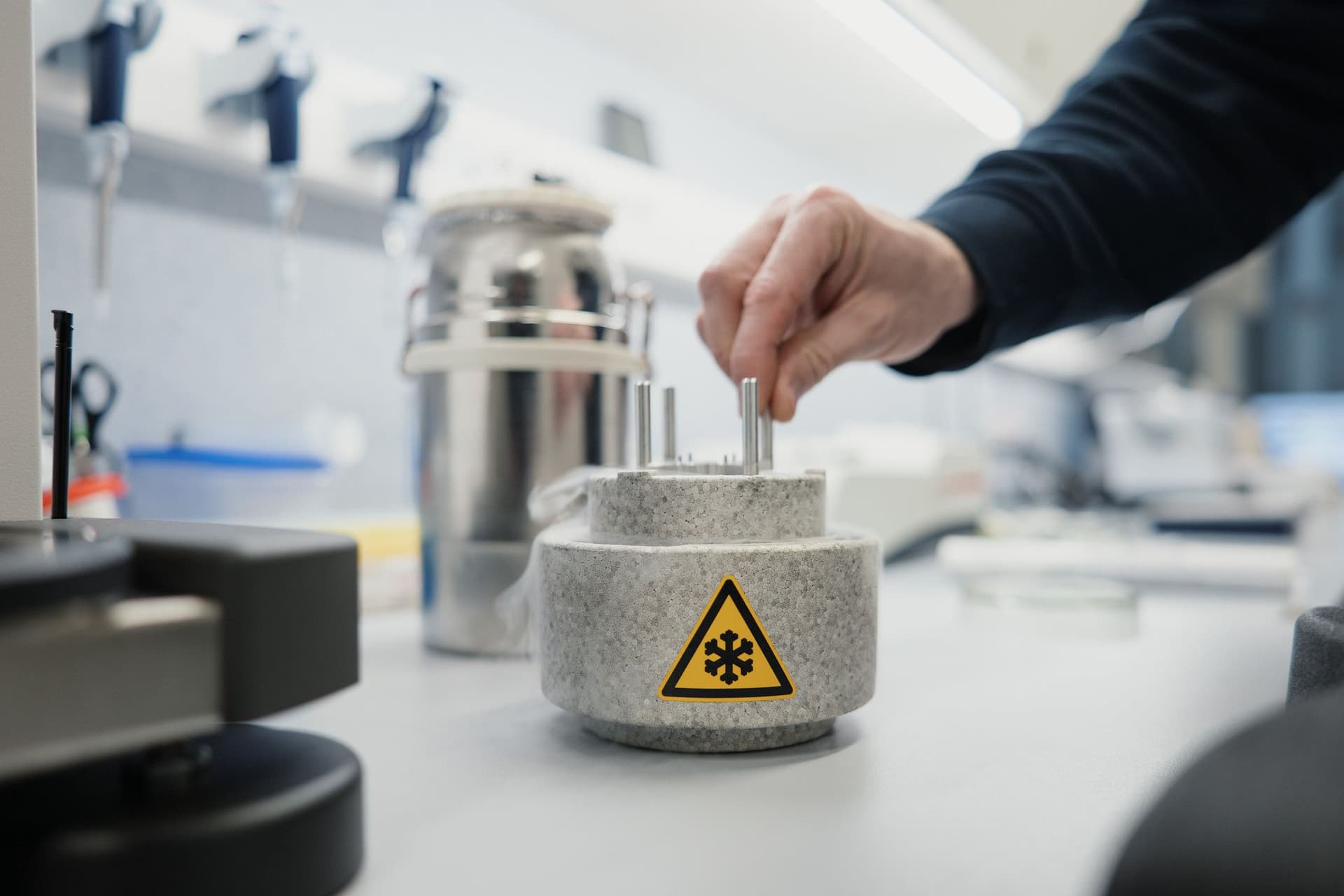
Photo by Vilnius University.
Later, students move on to more advanced areas of bioinformatics, including machine learning, large-scale biological data analysis, structural bioinformatics, phylogenetics, and genomics.
Alongside theoretical studies, students become involved in practical activities and real scientific projects from the very beginning of their studies by joining research groups or biotechnology companies.
One of the programme’s distinctive features is the opportunity to complete internships in several different research groups or companies during the studies. This allows students to gain practical experience in different areas of bioinformatics.
The programme also offers more than 30 elective courses at the VU LSC and other VU faculties. These include single-cell research, medical microbiology, palaeogenomics, artificial neural networks, parallel computing, and many other fields reflecting the diversity of modern bioinformatics. Such flexibility allows students to build an individual study plan and specialise in the areas of bioinformatics that interest them most.
Prospects and career opportunities
Lithuania’s biotechnology sector is already one of the fastest-growing industries in the country, with annual growth exceeding 20 per cent. By 2030, biotechnology is expected to account for at least 5 per cent of Lithuania’s gross domestic product. In recent years, the country has seen the successful emergence of biotechnology start-ups, the development of advanced research and innovation centres, and increasing international investment in the sector.
This growth is driven not only by technological progress, but also by the increasing demand for high-value-added solutions – from new drugs and diagnostic methods to personalised medicine, genetic research, and artificial intelligence applications in biology. As a result, bioinformaticians are becoming increasingly important in research centres, biotechnology companies, and clinical laboratories.
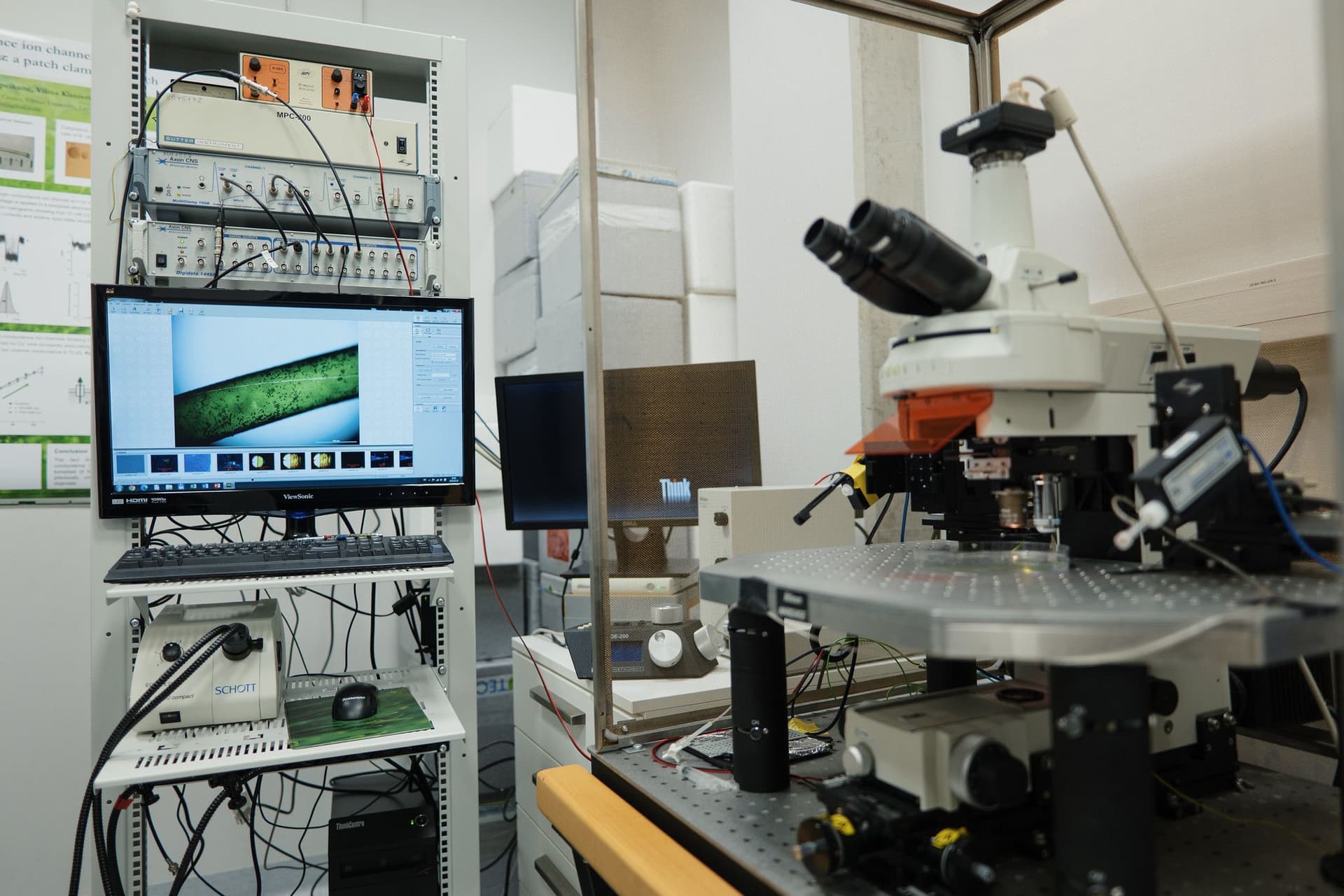
Photo by Vilnius University.
In recent years, attention has also grown to biological security and societal resilience in the face of crises. Pandemics, antimicrobial resistance, the rapid spread of viruses, and the management of massive biological data flows demonstrate that the ability to analyse biological information is becoming strategically important not only for science and industry, but also for countries preparing for future challenges.
Today, bioinformatics remains one of the most international fields of modern science. Graduates will be able to pursue career paths at Lithuanian and international universities, research centres, and biotechnology companies – environments where new technological solutions are being developed to address contemporary challenges in the life sciences.