- 6 August 2026
- Greta Zulonaitė
What Should You See, Do, and Know About Lithuania? VU Students Share Their Tips
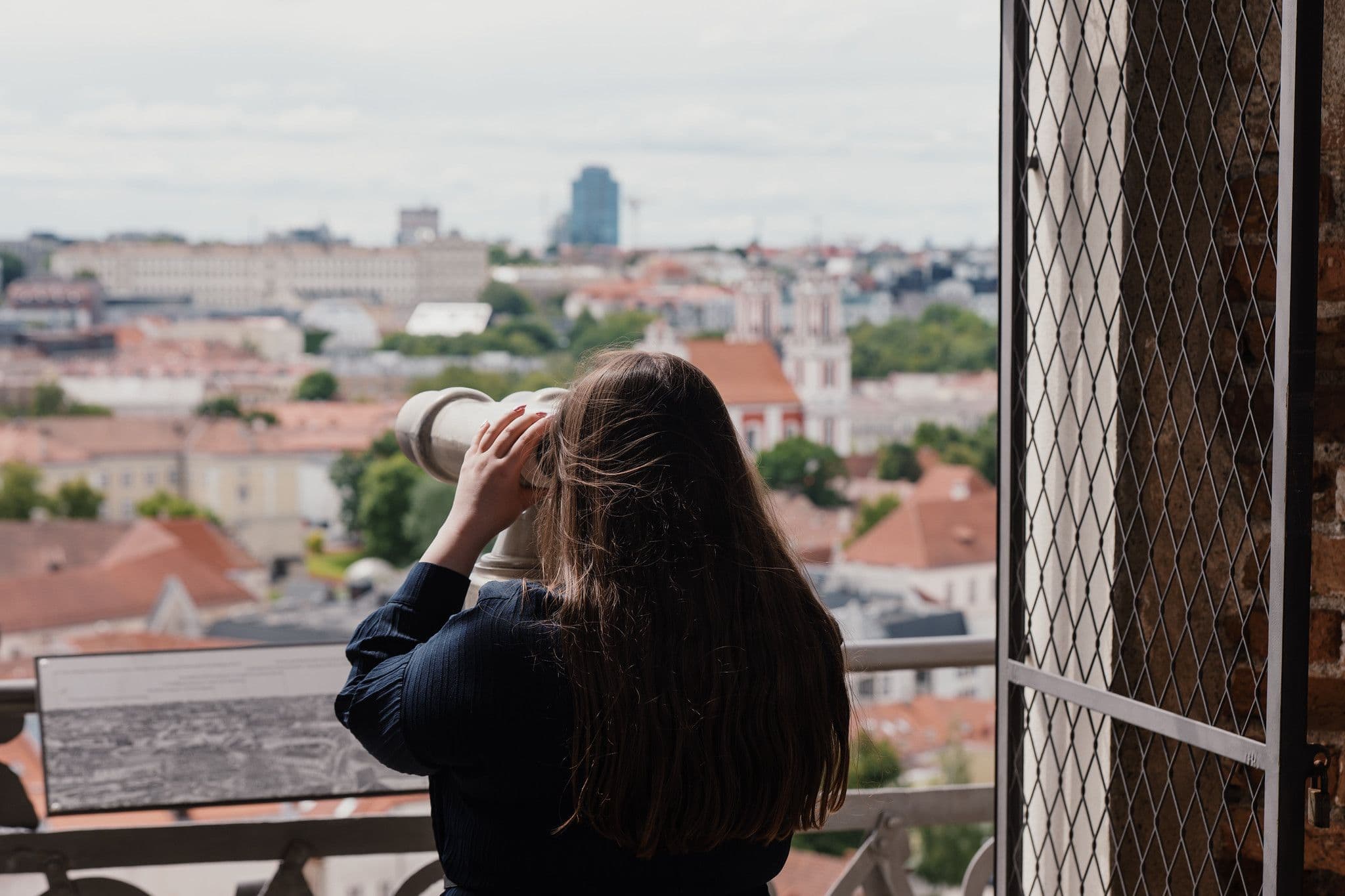
Starting your studies in a new country can be both exciting and challenging. After settling into a new city, one of the best ways to feel at home is to explore its culture, places, and everyday life. International students at Vilnius University (VU) share their advice on discovering Lithuania – including must-see locations, cities worth visiting, and the Lithuanian words that can make everyday interactions smoother.
Places you shouldn’t miss
International Business student Saeed Ahmed Khan recommends beginning your exploration of Vilnius with the city’s best-known landmark – Gediminas Castle. Climbing Gediminas Hill or heading up to the viewing platform of Gediminas Tower rewards visitors with stunning panoramic views of the capital and unforgettable sunsets.
Another of Saeed’s favourite spots is Belmontas, a popular leisure destination nestled in Pavilniai Regional Park on the banks of the River Vilnia. It is the perfect place to enjoy nature without leaving the city, especially as the landscape transforms with the changing seasons.
If you would like to experience the everyday atmosphere of Vilnius, Saeed also recommends spending time by the White Bridge (Baltasis tiltas). A popular meeting place for locals, it hosts festivals, concerts, and sporting events throughout the year. It is always buzzing with cyclists, runners, volleyball players, and people relaxing by the River Neris.
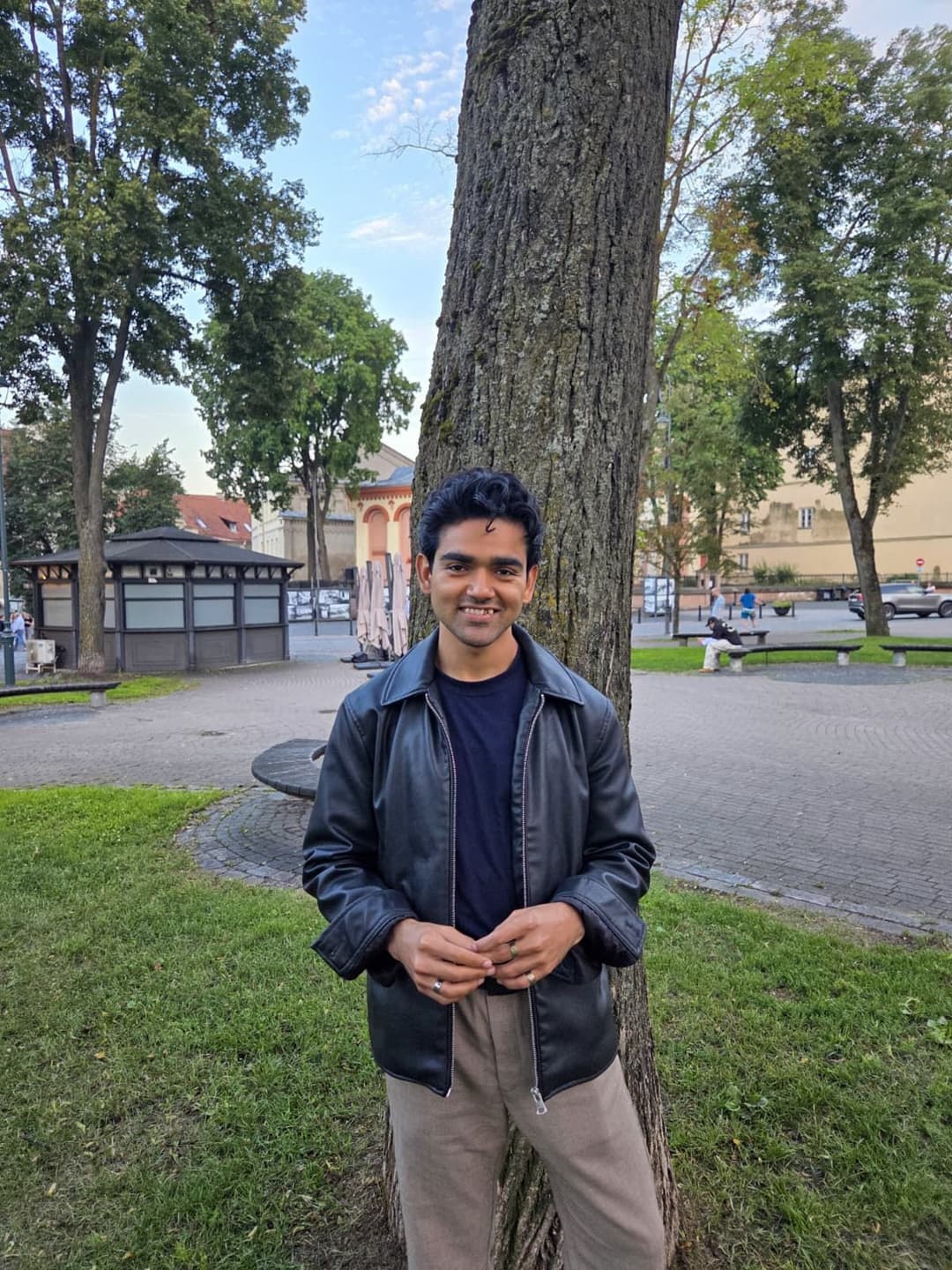
Saeed Ahmed Khan. Photo from personal archive.
Maria Caroline Torpey, who studies Art Management at the Kaunas Faculty, says Nemunas Island Park is one of her favourite places in the city. ‘I often take walks and go for runs at Nemunas Island Park, and the two rivers surrounding the city have diverse birds and wildlife to observe,’ she says.
Maria also encourages visitors to explore Kaunas’ many museums, most of which are within easy walking distance of the city centre. Her favourite is the Devils’ Museum, the only museum of its kind in the world, home to an extraordinary collection of around 3,000 devil-themed sculptures, artworks, and artefacts.
For anyone looking to swap the city streets for nature, Maria recommends the Mergakalnis Observation Deck. Overlooking the Kaunas Lagoon, it offers spectacular views across the river valley, while nearby forest trails provide an ideal setting for a peaceful walk.
Prabhash Sulochana, a Software Engineering student at the Šiauliai Academy, recommends visiting some of the city’s best-known landmarks, including the 17th-century Šiauliai Cathedral and Sundial Square, one of the city’s most recognisable public spaces.
For a truly unique experience, he also suggests taking a short trip to the Hill of Crosses, located just outside Šiauliai. Covered with more than 200,000 crosses, shrines, statues, and religious symbols, it is one of Lithuania’s most remarkable and internationally recognised cultural and spiritual sites.
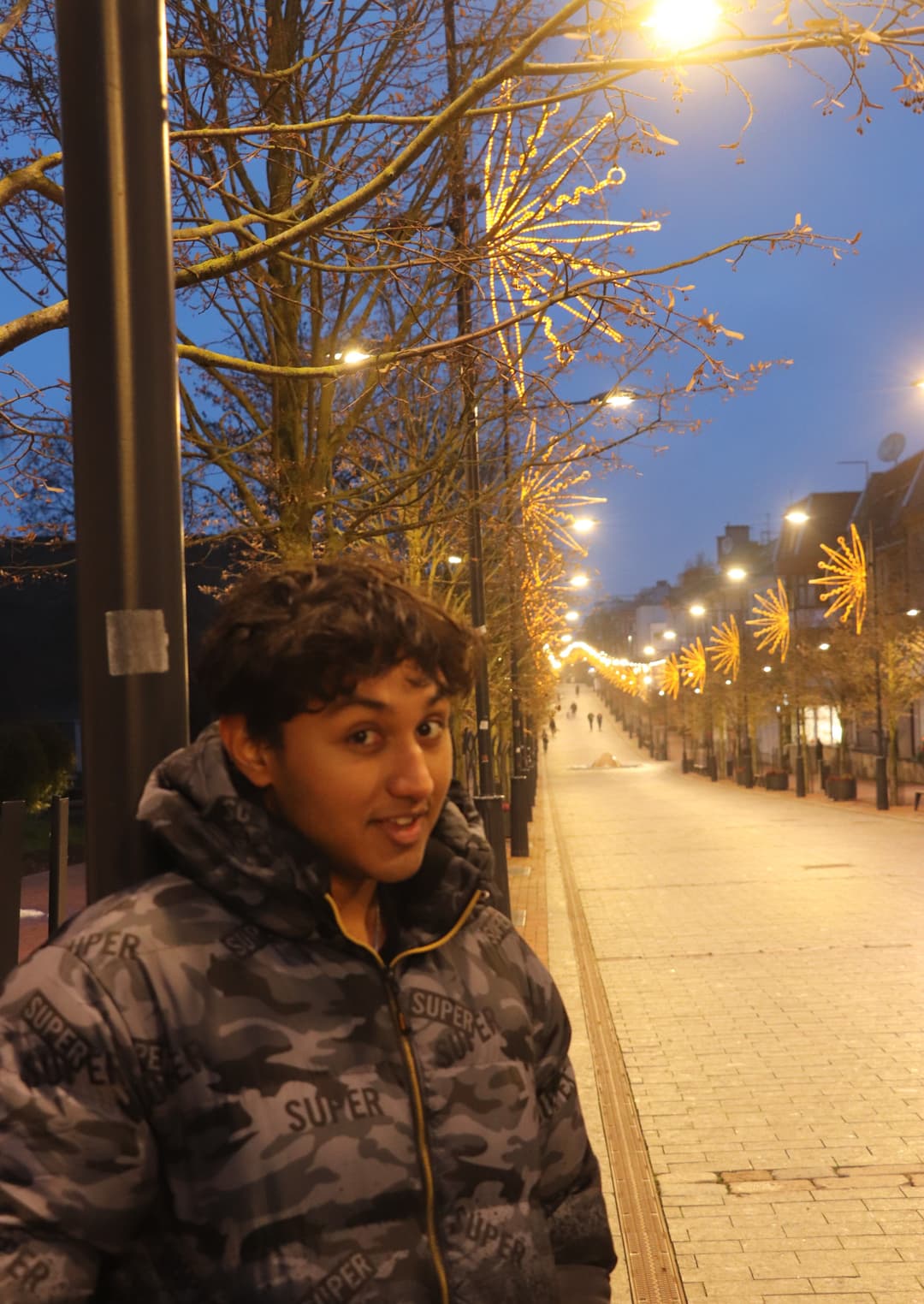
Prabhash Sulochana. Photo from personal archive.
Explore further
While Vilnius, Kaunas, and Šiauliai offer plenty to discover during your studies, Lithuania is also well worth exploring beyond your university city. VU students particularly recommend heading to the country’s Baltic coast, where each destination has its own unique character.
Among their top recommendations are Klaipėda, Palanga, and Nida. From relaxing on sandy beaches and enjoying the seaside atmosphere to exploring the unique landscapes of the Curonian Spit, Lithuania’s coast is an ideal destination for a weekend getaway.
Students also suggest visiting Trakai, famous for its picturesque island castle and beautiful lakes, and Druskininkai, a charming spa town known for its wellness traditions, peaceful atmosphere, and surrounding nature.
A few Lithuanian words to get you started
Although English is widely spoken in Lithuania, learning a few basic Lithuanian words and phrases can make everyday life easier and help you connect with locals. VU’s international students agree that even a small effort to speak the language is always appreciated.
They recommend starting with labas (‘hi’), laba diena (‘good day’), sveiki (‘hello’), ačiū (‘thank you’), prašau (‘please’ or ‘you’re welcome’), atsiprašau (‘excuse me’ or ‘I’m sorry’), and kaip sekasi? (‘how are you?’). These are the words and expressions you are most likely to use when visiting cafés, shops, and other local businesses.
Things to keep in mind
VU’s international students agree that studying in Lithuania is about much more than earning a degree. They encourage future students to stay curious, embrace new experiences, and keep an open mind about the country, its people, and culture.
Saeed advises newcomers to respect local customs and approach cultural differences with curiosity and openness. ‘Don’t expect everyone to act the same way they do back home, and don’t judge the whole country based on one person,’ he says, adding that he wishes he had learned a little more Lithuanian before arriving and been better prepared for the weather.
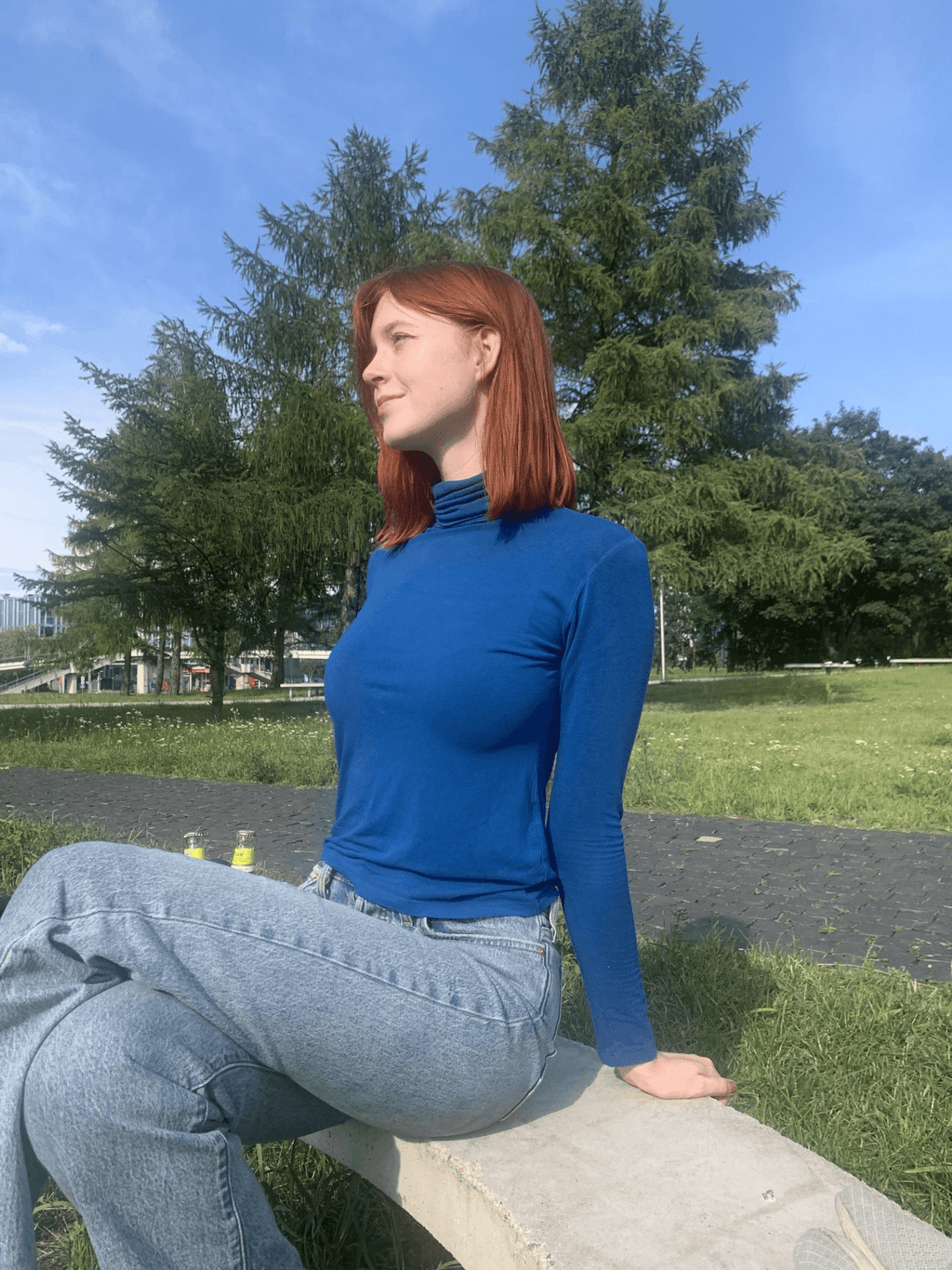
Maria Caroline Torpey. Photo from personal archive.
Maria believes that learning about Lithuania’s history can make the experience even more meaningful. According to her, ‘The traditions rooted in nature and years of struggle for freedom have shaped the nation into a rich, creative and unique culture that values honesty and hard work.’
Meanwhile, Prabash encourages future students not to be afraid to step outside their comfort zones. He recommends travelling around Lithuania and making new friends – although Lithuanians may seem reserved at first, ‘once you start a conversation, you’ll find them to be very friendly and helpful.’