- 20 July 2026
Burnout or Just Exhausted? Scientists Develop Evidence-Based Screening Tool to Identify Burnout Risk Before It Becomes a Serious Health Problem
Millions of employees wonder whether they are simply tired after demanding work or already experiencing the early stages of burnout. Distinguishing between the two, however, is far from straightforward. Researchers at Vilnius University have now adapted and validated one of the world's most widely used burnout risk screening tools, providing an evidence-based way to identify elevated burnout risk before burnout syndrome develops.
Burnout has become one of the defining workplace challenges of the past decade. The term is widely used in public discussions, social media and everyday conversations, yet many people still struggle to recognise when persistent exhaustion crosses the line into something more serious. Scientists say that uncertainty often delays people from seeking professional support until symptoms have already become severe.
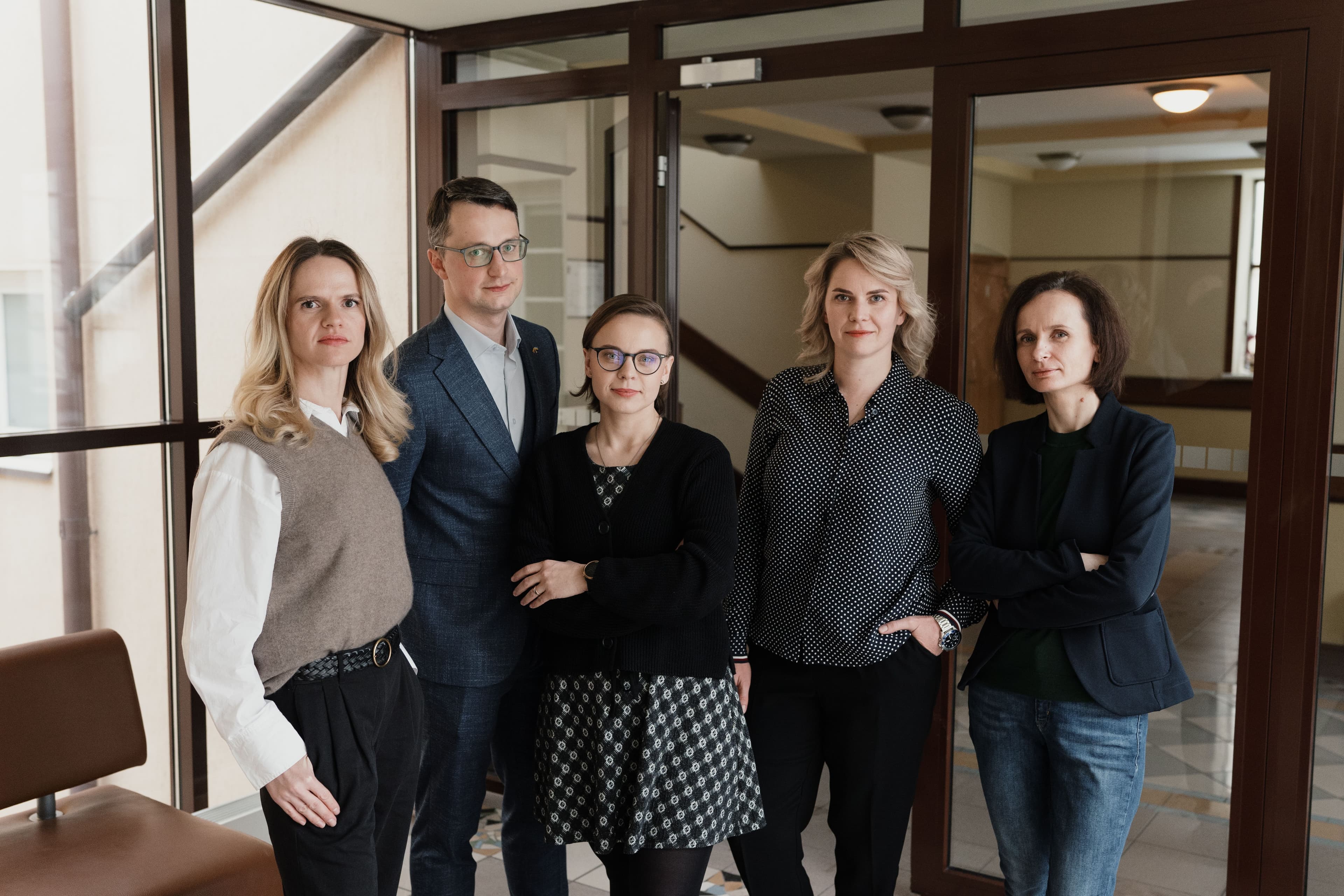
Researchers from the Centre for Research on Organisational Psychology, Faculty of Philosophy, Vilnius University, led by Professor Jurgita Lazauskaitė-Zabielskė, have adapted and validated the internationally recognised Burnout Assessment Tool (BAT) for use in Lithuania. The work enables evidence-based burnout risk screening while allowing researchers to compare findings across countries using the same scientifically validated methodology.
The science behind burnout screening
Unlike online self-diagnosis quizzes, the BAT is based on years of international research and has been developed by leading burnout researchers Professor Wilmar Schaufeli and Professor Hans De Witte. Rather than diagnosing burnout, the screening tool estimates an individual's risk level and provides recommendations on whether professional support may be needed.
"One of the biggest challenges is that people often do not know whether what they are are experiencing is simply fatigue or the symptoms of burnout. Feeling physically or mentally exhausted after an intense working day is perfectly normal. Burnout develops gradually. The symptoms persist for months, become more severe over time, and begin to interfere with everyday functioning. That distinction is much harder to recognise than most people realise," says Professor Jurgita Lazauskaitė-Zabielskė, Head of the Centre for Research on Organisational Psychology at Vilnius University and one of the study's authors.
Screening is not a diagnosis
The researchers stress that burnout symptoms screening should never be confused with clinical diagnosis of burnout. Burnout syndrome can only be diagnosed by qualified healthcare professionals. The purpose of screening is different: to identify people at increased risk early enough to take preventive action before the condition progresses.
Early intervention matters because severe burnout may lead to prolonged inability to work and recovery that can take many months or even years.
"Our goal is not to tell people that they have burnout. The purpose of screening is to identify elevated risk. When someone falls into the high-risk group, it signals that their symptoms warrant professional attention. The earlier people seek help, the greater the chances of preventing serious long-term consequences", Professor Lazauskaitė-Zabielskė explains.
Recognising burnout before it becomes severe
One of the reasons burnout remains underdiagnosed is that its earliest symptoms resemble ordinary tiredness. Many people assume that exhaustion after work, emotional fatigue or declining motivation automatically indicate burnout. However, researchers argue that these experiences exist on a continuum and do not necessarily signal burnout syndrome. The challenge is recognising when temporary fatigue evolves into persistent psychological exhaustion.
According to Professor Lazauskaitė-Zabielskė, warning signs should raise concern when they continue for several months and begin affecting a person's ability to function at work: "If you notice that concentrating becomes increasingly difficult, your thoughts feel clouded, your memory starts failing, or you react emotionally in ways that are unusual for you, and these changes persist over time, it may indicate more than ordinary fatigue. One difficult day at work is not burnout. The problem begins when recovery no longer happens."
Burnout is often associated primarily with emotional exhaustion. However, the researchers found that employees at elevated risk of burnout frequently reported worsening concentration, declining attention, and memory problems, suggesting that prolonged emotional exhaustion may already be affecting cognitive functioning.
In other words, burnout may impair not only how people feel, but also how they think. It can gradually reduce the ability to concentrate, solve problems and perform everyday tasks effectively.
How the screening tool works
The Burnout Assessment Tool (BAT) asks respondents to complete a short questionnaire measuring the core psychological symptoms associated with burnout. Based on the answers, individuals are classified as having low, moderate or high burnout risk.
Unlike many online quizzes that promise instant diagnoses, the BAT does not determine whether someone has burnout syndrome. Instead, it identifies the likelihood that a person is experiencing a level of symptoms associated with increased burnout risk and offers evidence-based recommendations on what steps to take next.
People in the low-risk group are encouraged to continue the habits that help them recover from work-related stress and to remain attentive to changes in workload and well-being. Those in the moderate-risk group are advised to monitor whether symptoms improve over time or persist despite rest, while individuals in the high-risk category are encouraged to seek professional advice.
"We wanted to offer something that is both scientifically robust and genuinely useful for employees. Many people search the internet trying to understand how they feel. Unfortunately, online self-tests often have no scientific foundation. We wanted to offer an evidence-based alternative that helps people recognise when it may be time to seek professional support", says Professor Lazauskaitė-Zabielskė.
Burnout is about more than workload
Burnout is often portrayed as the inevitable consequence of working too much. However, researchers say the picture is considerably more complex. According to Professor Lazauskaitė-Zabielskė, burnout develops after prolonged exposure to chronic stressors at work rather than as the result of a particularly busy week or a temporary increase in workload.
The team of researchers at Vilnius University identified several workplace factors consistently associated with a higher risk of burnout, including interpersonal conflict, increasing work intensity, and continuous organisational change.
The researchers also found that different occupational groups have different factors contributing risk of burnout.. Employees in highly qualified positions often face sustained psychological demands, growing responsibility and constant adaptation to change. Meanwhile, workers in lower-skilled occupations may be more affected by insecure employment conditions and negative workplace behaviour.
"Burnout is not simply about working long hours. It develops when people remain in psychologically demanding work environments for extended periods without sufficient resources and opportunities to recover. Workload matters, but so do organisational culture, relationships at work, and the resources people have to cope with ongoing stress," Professor Lazauskaitė-Zabielskė explains.
A tool that enables international comparisons
Because the BAT is already used in dozens of countries worldwide, validating it for use in Lithuania does more than make evidence-based burnout risk screening available. It also enables researchers to compare findings across countries using the same scientifically validated methodology. It also enables researchers to compare burnout risk across countries using a consistent scientific methodology, rather than relying on incompatible questionnaires or national definitions.
Such comparisons may improve understanding of how burnout develops across occupations, cultures and labour markets, while also helping researchers evaluate which preventive measures prove most effective in different working environments.
"Using the same instrument internationally allows researchers to speak the same scientific language. It gives us an opportunity to better understand how burnout develops across countries and occupations, and ultimately to identify what helps reduce its risk", says Professor Lazauskaitė-Zabielskė.
Recognising risk before it becomes illness
The researchers emphasise that burnout prevention begins long before someone becomes unable to work. Persistent mental and physical exhaustion, emotional instability, declining concentration and memory problems should not automatically be interpreted as burnout syndrome. At the same time, neither should they be dismissed as "just stress" if they continue for months and interfere with everyday life.
The purpose of burnout risk screening is precisely to help bridge this gap – identifying those who may benefit from professional support before symptoms become debilitating.
As burnout continues to gain attention worldwide, the researchers hope that scientifically validated screening tools will help replace uncertainty and self-diagnosis with earlier recognition, informed decision-making and timely intervention.