- 10 August 2026
- Vilnius University information
Two-Month Course to Focus on Innovative Bioremediation Strategies
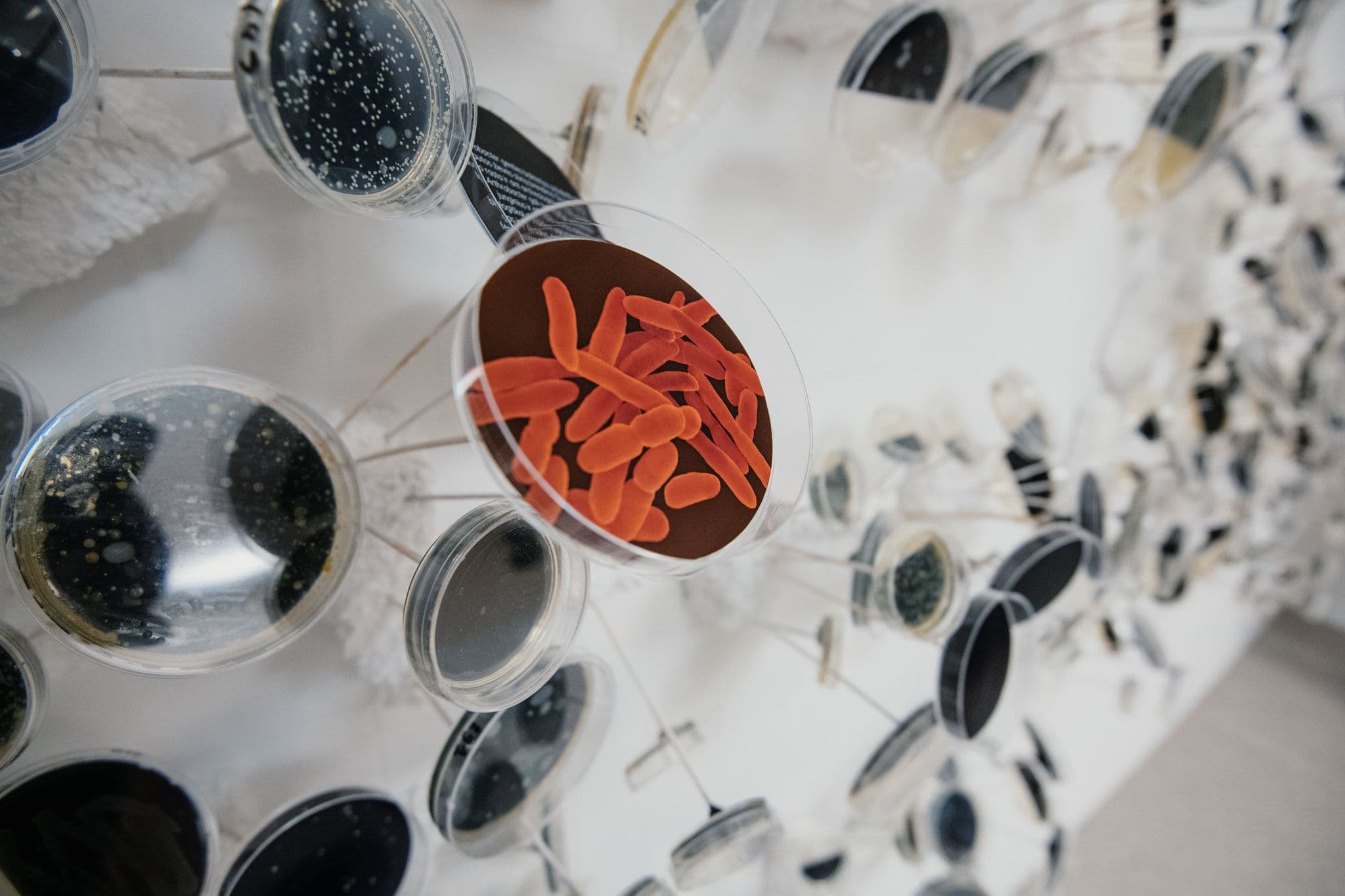
The Arqus Alliance is offering a two-month course at the University of Padua focused on the use of synthetic biology to develop innovative bioremediation strategies and sustainable solutions for pollution mitigation.
The course takes a practical approach to the engineering of microorganisms for environmental applications. Participants will explore real-life case studies, work with genetic engineering protocols, including CRISPR-Cas9 techniques and biological models, and develop their own bioremediation strategies for different contamination scenarios.
The programme will examine how engineered microorganisms interact with and adapt to environmental systems, as well as the microbial enzymatic processes that can be used to remove major pollutants. Participants will also consider how the effectiveness and efficiency of bioremediation interventions can be assessed.
Other key topics include biosafety and the ethical and regulatory questions surrounding the environmental use of engineered microorganisms. By combining scientific knowledge with practical applications, the course aims to equip participants with tools relevant to the growing eco-technological sector.
To apply for the micro-credential, participants must complete the pre-registration procedure through the University of Padua’s Uniweb platform and submit the required documents. Following the selection process, successful applicants will be able to complete their enrolment and pay the registration fee online.
More information about the course and registration is available here.